



The arrest of iBomma operator Immadi Ravi for movie piracy has once again opened a Pandora’s box of arguments for and against the concept of piracy in the modern age. Welcome to 2025, where movie piracy is no longer a neighbourhood villain. Some see it as an anti-corporate, anti-licensing ‘Robin Hood’ for the digital age.
Even as Indian and international law call copying a film “theft”, streaming platforms like Netflix and Amazon Prime Video have pulled a fast one on consumers by shifting the goalposts from “ownership” to a weaselly concept called “licensing”.
“Earlier, I could buy a DVD of a movie for Rs 150 or Rs 250, and it would always be mine. But now, I pay Rs 499 a month, and I have no guarantee I can watch a movie I saw today next year,” said Rohan A, a 36-year-old film and TV series aficionado from Bengaluru, India.
This person is not alone in sharing this grievance. There is a slow consumer shift from streaming platforms, with many protesting the licensing model. This is also evident in the recent bleeding of customers.
Prime Video and JioHotstar putting ads into the lower-tier plans already irked consumers, but pulling the carpet from under them by mysteriously taking out shows from the platforms that were already paid for seemed to be the last couple of nails in the coffin.
Yes, piracy hits creatives hard. When a film leaks, often before official release, filmmakers, actors, and distributors say they lose out on crores as audiences skip tickets. Content appearing on OTT platforms is “pirated” almost as soon as it drops.
Globally, piracy of movie and OTT content costs the industry billions in lost sales every year. And India proudly holds the silver medal for this, after the US. The law is blunt: piracy is theft, everyone loses, end of story.
But is it, really? Ground reality is murkier. In fact, an independent research firm called out a US study on digital video piracy and criticised it for overestimating the impact on sales.
Legal and moral lines get blurry when platforms sell you a digital movie you never truly own, then yank the file from your account months later. Or worse, block a film altogether citing “regional rights”.
Indians, like much of the world, face a content buffet where the menu changes weekly.
Your favourite movie, “purchased” last year, might disappear overnight thanks to the latest content culling or contract spat.
Is finding a copy from the wild west of the internet now a crime, or just digital survival?
And the dark market tactics by streaming giants—rotating content, exclusive geo-restrictive licenses, and ever-pricier subscription bundles—do not seem to help matters.
Consumers are forced to hop platforms to watch films, often paying more than cable, yet owning nothing.
These anti-consumer practices are so legendary, they make piracy look positively practical, according to many customers.
“Should I really feel guilty for downloading a film when the company selling it never wanted you to have it permanently in the first place?” asked Sreeraj R, a student in Kochi. The big corporations are yet to provide a proper answer.
Sometimes, the only moral argument against piracy is: “Piracy is illegal, and we have a moral duty to obey the law.”
However, many see it more as a matter of personal belief than a universal truth: what’s moral can be separate from what’s legal.
Decoding the anti-piracy arguments
There are two major arguments usually presented against piracy—one of property and the other of economics.
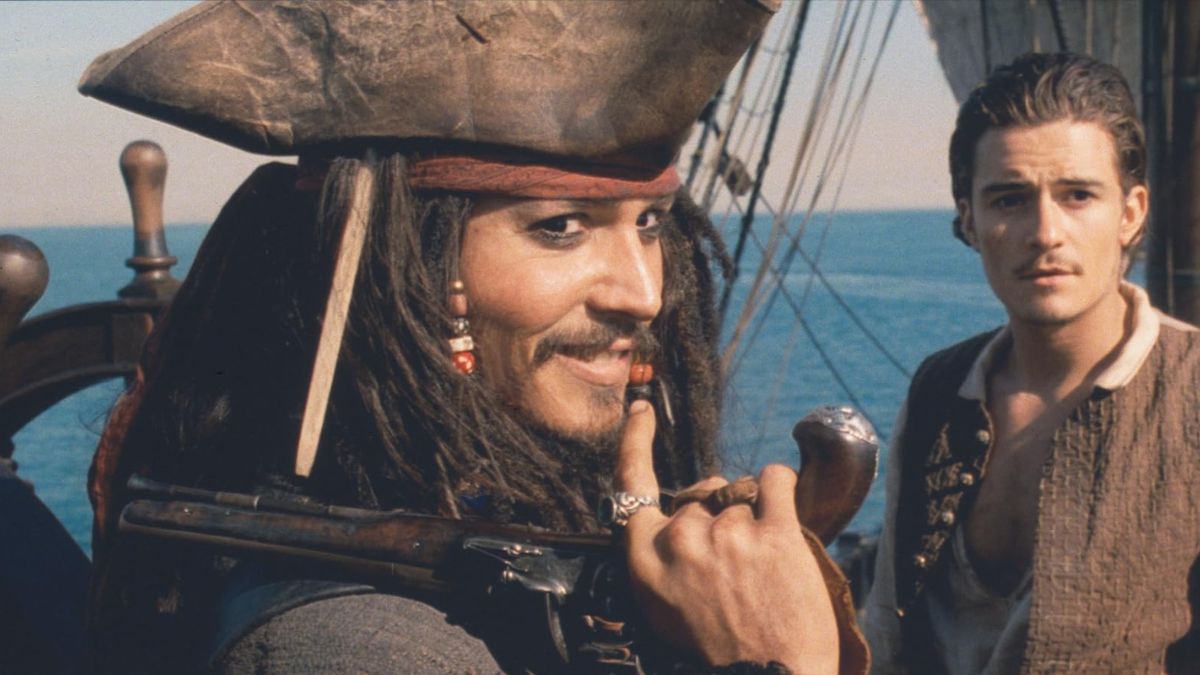
For a generation brought up on ‘Robin Hood’ and ‘Jack Sparrow’, the popular analogy that “copying a movie is like stealing an object” falls short. Stealing takes something away from someone, causing real harm, while copying just creates another version without actually removing the original. This is what many, including those in the hallowed halls of Reddit, believe. Theft is obviously harmful, but copying doesn’t create the same kind of loss, the argument goes. Simply put, the consensus among many consumers is that the real “harm” from piracy only exists because intellectual property law says so, not because of some natural, self-evident principle.
Now, on to the economic argument. The idea that “if everyone pirated, nobody would make movies or music” is based on a universal “what if” scenario. Now we are reaching, especially into the realm of the Kantian Categorical Imperative. However, this overlooks the reality that not everyone pirates everything.
Many people pirate only what they can’t afford, and still pay when they can. So, is all piracy harmful? Saying piracy as a whole is immoral because “some” piracy could hurt creators is like saying the entire act of driving is immoral because some people drive intoxicated.
This argument also stands on the shoulders of current copyright laws. But if the law changes, what happens? For instance, in many European nations, works that are protected by copyright are inducted into the public domain 70 years after the author’s death. In other places, publishers control works for 99 years. So, what’s the underlying moral rule?
If you go by rational reasoning, the only consistent answer is to give publishers total control, i.e., copyright forever. But that’s neither realistic nor widely supported. Imagine if electricity or even fire were patented or came under IP rights; how would the world move forward? Such strict rules would erase all fair use for the public.
So, the only solid, mainstream moral argument against piracy is to obey the law. But, even that is up for debate, especially if people believe morality and legality are not the same thing. And, in India, historically, morality has often trumped legality.
Today, piracy sits in a grey zone. The law says it’s wrong, studios and platforms claim it’s ruinous, but crores of Indians (and their VPNs) see it as a digital equaliser. Some see piracy as preservation.
Maybe it is time they brought back the age of DVDs.
