



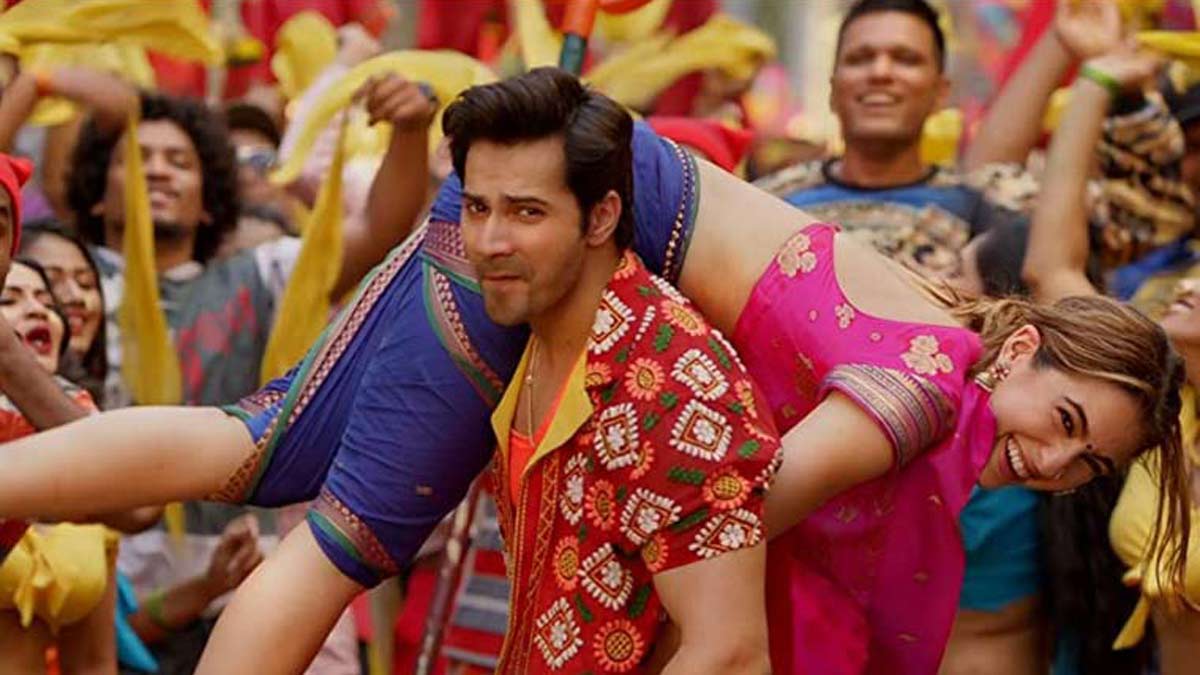
When Sunny Sanskari Ki Tulsi Kumari hit theatres, the buzz was cautiously optimistic. Produced by Dharma Productions, directed by Shashank Khaitan, and starring Varun Dhawan alongside Janhvi Kapoor, it seemed tailor-made for a “return to the roots” Bollywood rom-com moment. But, as the box office numbers trickled in, reality hit hard. The film, despite its glossy packaging and candyfloss appeal, barely managed to create ripples. Today, about five days post its release, it is barely managing to make a dent.
For Dhawan, once hailed as Bollywood’s bankable boy-next-door, this marks yet another stumble in a career that once seemed unstoppable.
There was a time when Dhawan could do no wrong. Between Student of the Year (2012) and Badrinath Ki Dulhania (2017), he balanced frothy entertainers like Main Tera Hero with darker, riskier turns in Badlapur and October. He had energy, charm, and momentum.
He came in as a young star in a post-Khan transition phase. His films were commercial and emotional with a mass appeal and neatly fit into the Bollywood masala-mould. But then, post 2018, the formula cracked.
Starting with Kalank (2019), Varun’s choices began to feel repetitive. Coolie No.1 (2020) tried to resurrect 90s slapstick in an era of meme culture. JugJugg Jeeyo (2022) had moments but lacked soul. And Bawaal (2023), despite an ambitious concept, got tangled in controversy.
By the time Sunny Sanskari Ki Tulsi Kumari arrived, audiences had moved on from the version of Bollywood Dhawan seemed stuck in.
Experts say that it's high time Bollywood realises that post-pandemic, the business of cinema has evolved dramatically. Viewers no longer flock to theatres for familiar stories. They are choosing authenticity over artifice — whether it’s 12th Fail, Article 370, or Stree 2.
Sunny Sanskari Ki Tulsi Kumari plays out like a film from a bygone era, as being one that assumes nostalgia alone can fill seats.
There’s also a kind of fatigue that has settled in, says Kalpana Iyer, founder of Muzicalli, a Bollywood jukebox. The new generation of viewers do not find glossy over-the-top films, which are shallow on substance, entertaining. Rather, they find it alienating. And in Sunny Sanskari Ki Tulsi Kumari, Dhawan seems trapped inside that aesthetic bubble, performing in a world that looks too curated to feel real.
Dhawan’s earliest fans who swooned over his boyish exuberance are now in their 30s and they now want layered characters, nuanced storytelling, and social texture.
Dhawan’s problem isn’t a lack of talent. It’s a lack of reinvention. While contemporaries like Ranbir Kapoor and Ayushmann Khurrana have found ways to refresh their screen image, Dhawan continues to orbit around comfort zones.
If he channels his charm into grounded, high-concept scripts like Badlapur, October, he could easily script a second act given that he's still one of the few mainstream stars with genuine warmth and screen likeability.
There’s also his upcoming Citadel: Honey Bunny series - a spy thriller that might just give him the tonal reset he needs.
But until then, Sunny Sanskari Ki Tulsi Kumari stands as a reminder that Bollywood’s most likeable hero can’t rely on nostalgia alone.
