



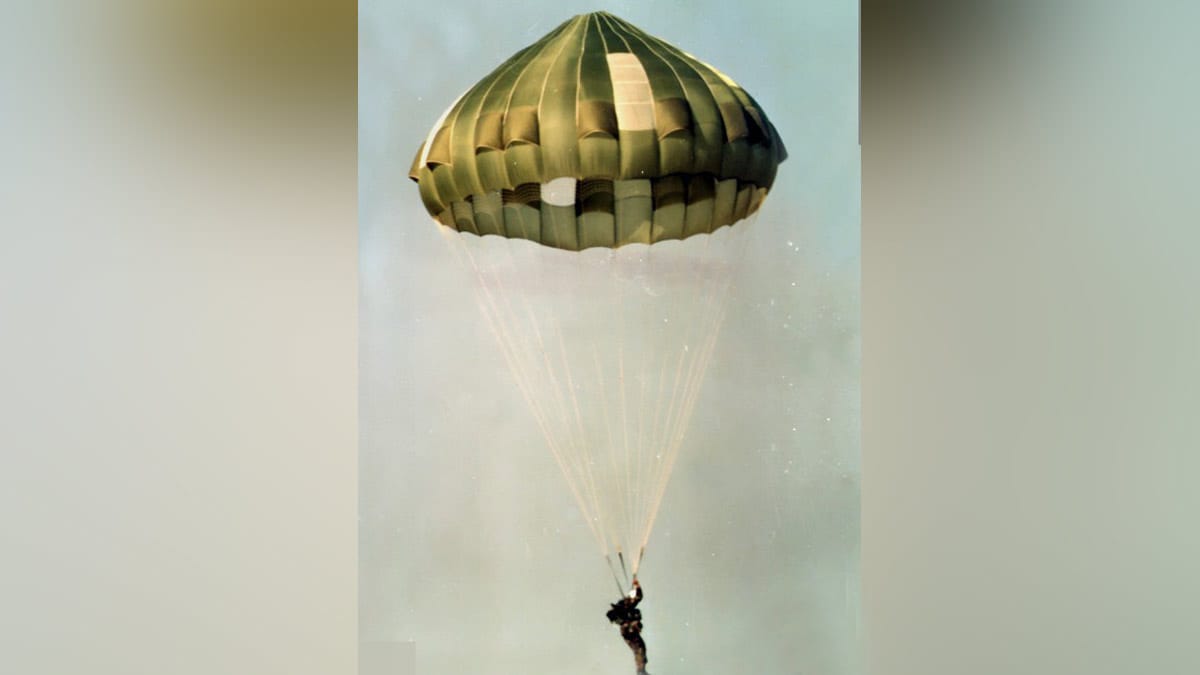
These can easily be the stuff nightmares are made of. You jump out of an aircraft thousands of feet high up from sea level, and then your parachute turns out to be defective.
From 2020-21 to 2023-24, of the 73,242 parachutes manufactured by Gliders India Limited (GIL) that were inspected, 9,609—over 13 per cent—were 'Returned for Rectification' (RFR).
GIL is a defence public sector undertaking engaged in the manufacture of parachutes and aerial delivery systems primarily for the armed forces. It was established in October 2021 following the corporatisation of the Ordnance Factory Boards (OFBs) under the Department of Defence Production, Ministry of Defence.
The defects included defective stitching (in 33 per cent of cases), defects in the outer pack (16 per cent), defective rigging lines (14 per cent), and shade variation in the canopy (9 per cent), besides zigzag stitching and uneven rigging lines, etc.
These are the findings of an audit by the Comptroller and Auditor General (CAG) in a report recently tabled in Parliament.
The audit objective was to examine the performance of parachute production after corporatisation, including quality issues and the cost control measures to ensure profitability.
By way of defence, the defence ministry, in reply to the CAG’s findings, stated in December 2025 that the RFRs were mainly due to “very minor observations” by the inspection teams.
Stating that airborne safety equipment/parachute manufacturing is a critical process and the safety of the user is of paramount importance, the ministry said each parachute has been tested effectively during each stage of manufacturing before being issued to the user.
The national auditor, however, said in its report said: “The recurring reasons for RFR as well as nature of defects indicated shortcomings in manufacturing and workmanship... (and) also indicates shortcomings in quality control checks at the intermediate stages of manufacturing.”
The recurring trend of RFR was among the factors that contributed to short supply or delayed supply of these parachutes to the armed forces.
The CAG scrutiny of 11 lots of parachutes revealed production shortfalls in nine out of 11 cases, ranging from 12 per cent to 100 per cent, “mainly attributable to delays in placement of supply orders; in inspection; and receipt of input materials,” the report said.
Of the GIL’s total 34 types of parachutes in the product line, the 11 lots selected for the audit included parachutes for tactical assault, high altitude, for cargo drops, for aircraft braking systems, for paradropping of heavy artillery guns, etc.
Most of the GIL’s production and supplies are meant for meeting the needs of the Army and the Air Force, while the Navy and Hindustan Aeronautics Limited (HAL) requirements also form a small part of the overall production.
