



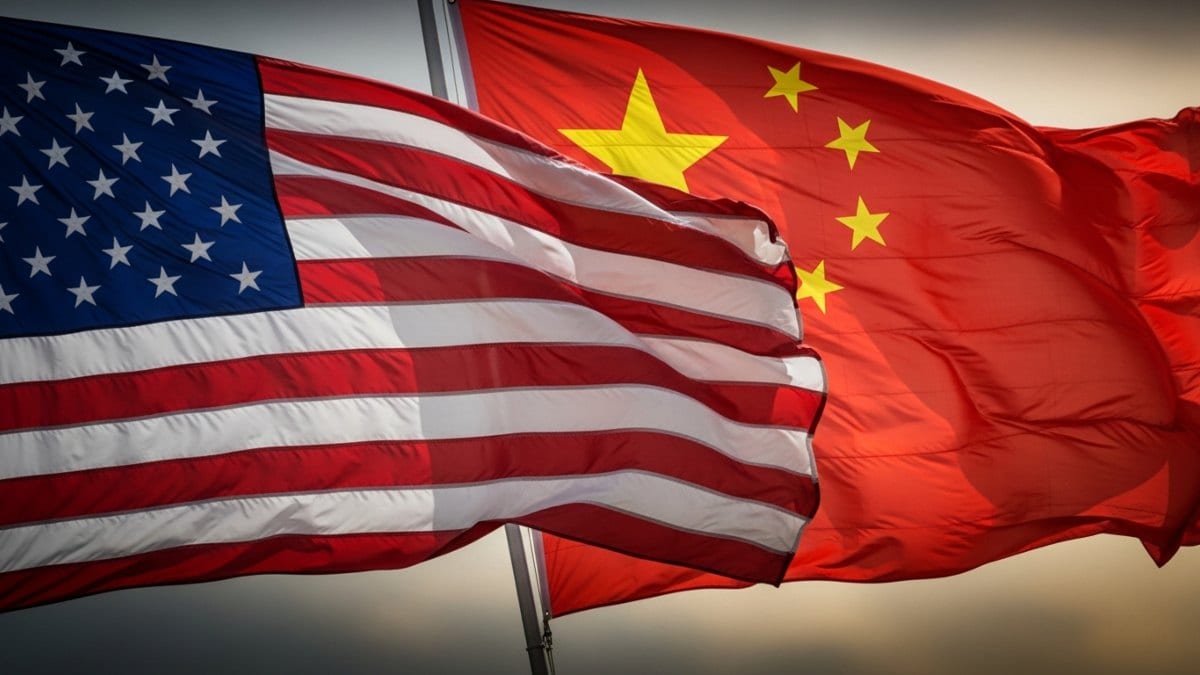
The US and China proposed a plan to cut tariffs on about $30 billion in imports from each other, signalling a potential end to the long trade war between the countries. The White House on Monday released the list of products that will enter both countries, with tariffs that match the Most Favoured Nation (MFN) rates.
The US listed 77 Chinese products, including fireworks, household products, decorations, sporting equipment and toys, that will be allowed in with favourable tariffs.
On the other hand, a list of 1,619 American products, including dairy, meat products, grains, coal, timber, seafood, and medical equipment, will potentially enter China.
“President Trump is unlocking improved market access for about 30 per cent of US exports to China, while benefiting consumers with imports from China of household goods, toys, and other products that the United States generally does not import from other countries,” US Trade Representative Jamieson Greer said.
China has set goals to buy at least $17 billion in US agricultural products, such as key grains, wheat, corn and sorghum, through 2028, along with a commitment to buy 25 million tons of soybeans per year.
While the tariff relief for $60 billion worth of products is only a fraction of the $415 billion in total goods exchanged between the countries in 2025, it can be the start of a more relaxed trade environment in the future.
The Chinese Commerce Ministry hinted at this, stating, “This arrangement will help to further stabilise China-US economic and trade relations and create favourable conditions for China’s exports of relevant products to the US.”
An end to the trade war is expected to simplify complex global supply chains and push economic growth. However, India might not reap significant benefits if the trade war relaxes.
When the US and China imposed tariffs on each other, India stepped in as an alternative supplier for many items like textiles, garments and auto parts. India’s massive manufacturing growth over the last year has also been heavily fuelled by companies following the “China + 1” strategy. If the tariffs ease further, Western corporations will no longer have the pressure to build new factories in India and will get breathing room to stay in China.
The current list of products is non-sensitive and doesn’t directly affect any manufacturing opportunities for India. But if tariffs ease for more complicated and sensitive areas like chip manufacturing, technology and artificial intelligence, the current boom in India’s manufacturing sectors could face some slowdown.
India’s most successful exports to the US, including smartphones, automotive parts and textiles, might already face price hikes, with the US imposing 100 per cent tariffs on countries that purchase Russian crude oil, of which India is the second-largest buyer.
