



The middle class in India is going through a tough phase. Shrinking job opportunities on one side and increasing prices on the other. And if you found a safe and secure job, you might be going through periods of no real salary hikes.
It might have taken you 15+ years of education to reach here, but if the economy is not booming, the chances of finding that dream job would be nearly impossible. Most job seekers would get worried and frustrated.
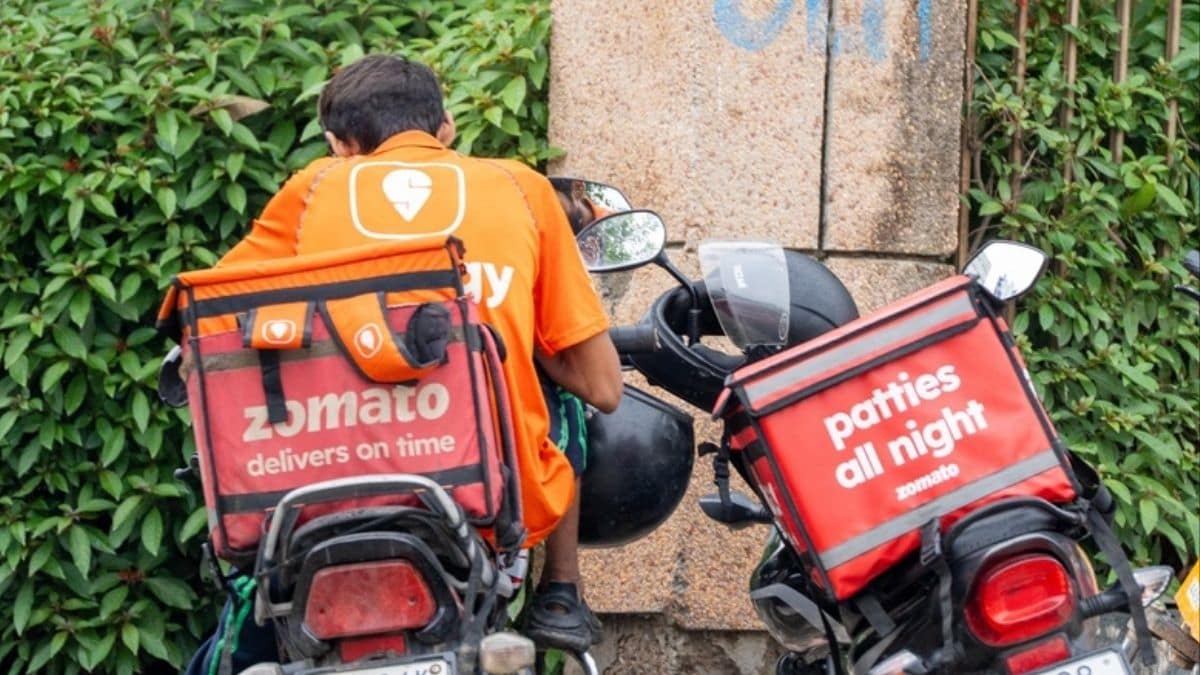
This is where app-based gig work, such as food delivery, taxi services, or parcel delivery, comes to the rescue. The good thing about this nature of work is that it's unskilled labour. You need not be a professional driver to drive a taxi. You need not be an expert in supply-chain logistics to deliver a parcel.
Another advantage of this kind of gig work is that you can switch work on and off based on your schedule. You could choose to work only between 6 pm and 9 pm every day, or only on weekends, etc.
The real reason gig work is a blessing is something different. It’s because it indirectly solves a personal finance problem—unlocking multiple income sources.
More than 15 years of education may have taught you to earn from a single source of income—a job or self-employment. You could have a huge monthly income, but relying solely on a single source is foolish. For reasons beyond your control, if this source runs out, you are in deep trouble, as there is no way you can afford the lifestyle, expenses, or debt that you have accumulated.
This is where gig work helps. It teaches you to tap additional income sources from a young age. Western countries knew this earlier and allowed students to work part-time as cashiers, bartenders, chauffeurs, babysitters, valets, etc.
India did not fully adopt this culture until companies like Uber, Zomato, Swiggy, Blinkit, and Porter opened their offices. Now, you can see college students, young professionals, and other part-timers earning extra money from this side gig. Slowly but surely, having a part-time job is no longer taboo.
Personal finance excellence is all about unlocking multiple income sources. Income sources can be active or passive depending on the level of engagement. Active sources are jobs and self-employment. Passive sources are interest income, rental income, capital gains, dividends, and royalty income.
Gig work is an active source, as it requires your time and effort, but it unlocks your brain to tap into the other 5 sources. It helps you realise that there is a world of earning opportunities if you are willing to learn.
Take a look at the rich people around you. The real secret to their wealth is multiple income streams. And this is something that the middle class has been putting off, because society told them it's forbidden.
If you have taken the additional step to unlock a second income source, do not stop there. Add a few more steps to unlock the other three sources of income: interest income, capital gains, and dividends.
The extra money you raise by doing gig work can go into buying fixed deposits, mutual funds, or stocks. This will not hurt you, since your primary income already covers your necessities.
These FDs, mutual funds, and stocks can generate interest income, capital gains, and dividends, depending on your goals. The good thing about these passive income sources is that it never runs out of steam. As time passes, these assets grow stronger, yielding better returns.
Having a side gig is not at all taboo. It could end up being the best personal finance lesson you have learned this year. Use this extra income to fund your financial goals.
I believe every job has its dignity, and the people around you will judge you for that. But know one thing for sure: they can only judge you on your active income sources, because that’s what they see. They can never judge you for the income created from passive sources like FDs, mutual funds, or stocks as they compound in silence.
The writer is a SEBI Registered Investment Adviser (INA000021757), SEBI Registered Research Analyst (INH000025045), and author of ‘How to join the top 1% options traders club’.
DISCLAIMER: Investments in the securities market are subject to market risks, including the potential loss of principal. Past performance does not guarantee future results. Information provided is for educational purposes only and should not be considered financial advice. Investors should read all related documents carefully and consult a certified advisor before investing. Registration granted by SEBI and Enlistment with RAASB/BSE and certification from NISM in no way guarantee the performance of the intermediary or provide any assurance of returns to investors. The investor is requested to take into consideration all the risk factors before actually trading in stocks or derivatives.
The opinions expressed in this article are those of the author and do not purport to reflect the opinions or views of THE WEEK.
