



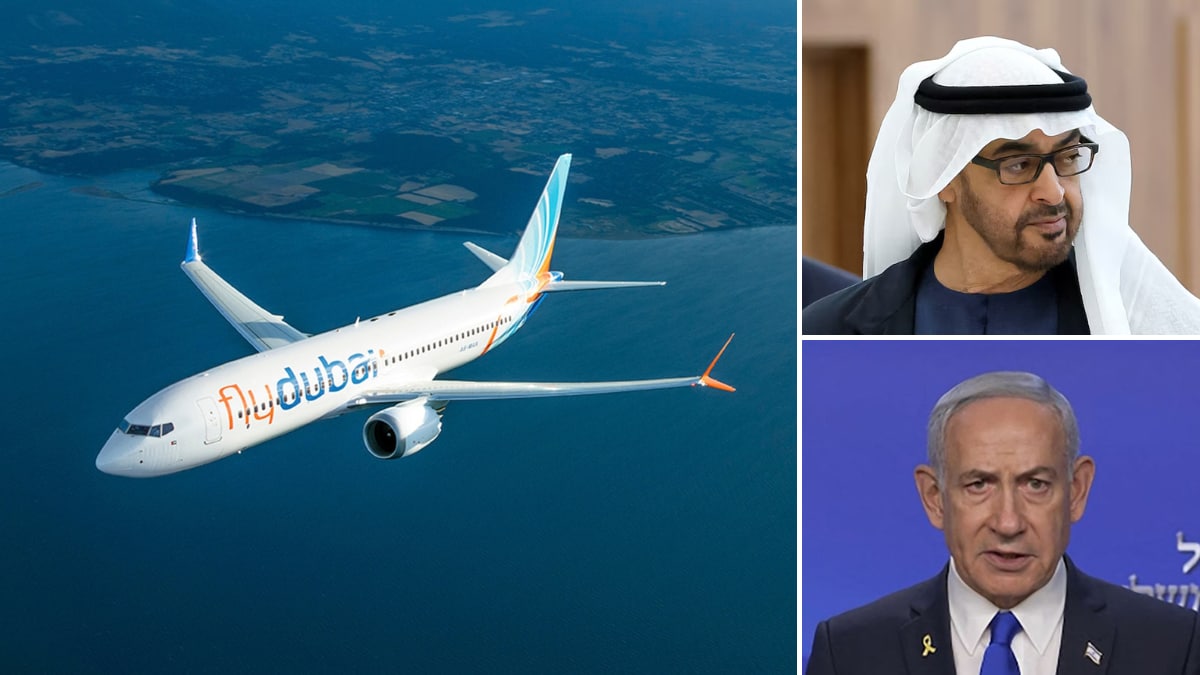
In a fresh twist in the probe into the Sep 30 flydubai attack and the security lapse that could have led to another 9/11-style attack, officials have now said that the UAE had shared a list of the flight's passengers and crew to Israel beforehand.
However, Israel raised no issues about the flight details that the UAE had provided, which also included people's nationalities, the officials told The Associated Press.
This has sparked questions of how Tel Aviv could have allowed the Omani co-pilot—identified as Hammam Al Hammami—on the flight, since Israel's longstanding agreements with foreign carriers not to permit pilots from Arab countries without formal diplomatic relations with it to fly there.
More importantly, the probe has already revealed that Al Hammami had earlier been barred from flying by Oman itself, due to concerns over his extremist views.
Days after the mid-air scare, the UAE officially labelled it a "terrorist attack". It is leading the multi-nation probe into Al Hammami's attempt to attack Indian pilot and captain Smit Machchhar and crash the aircraft.
Al Hammami, who later told investigators that he was not afraid of death, is accused of stabbing Smit with an onboard crash axe before attempting to take control of the aircraft to crash it, a Wall Street Journal report said, citing a Saudi official.
The captain managed to fight him off and open the cockpit door, after which the passengers restrained the Omani co-pilot and brought the plane down for a safe landing.
The blame game continues, with the Shin Bet, Israel's domestic security agency, saying that the Transportation Ministry was responsible for vetting passenger and crew lists from foreign carriers that have been shared as per standard protocol.
Transportation Minister Miri Regev, however, told Israeli outlet Kan that it was security agencies that should have ensured flight security, and that her ministry was not given any list of passengers, nor were they warned about a potential terrorist onboard.
Dvir Rubenstien, who heads aviation security in the ministry, told Army Radio that that it depends on local security checks and does not have the tools or the ability to vet passengers and crew before each flight, the report added.
