



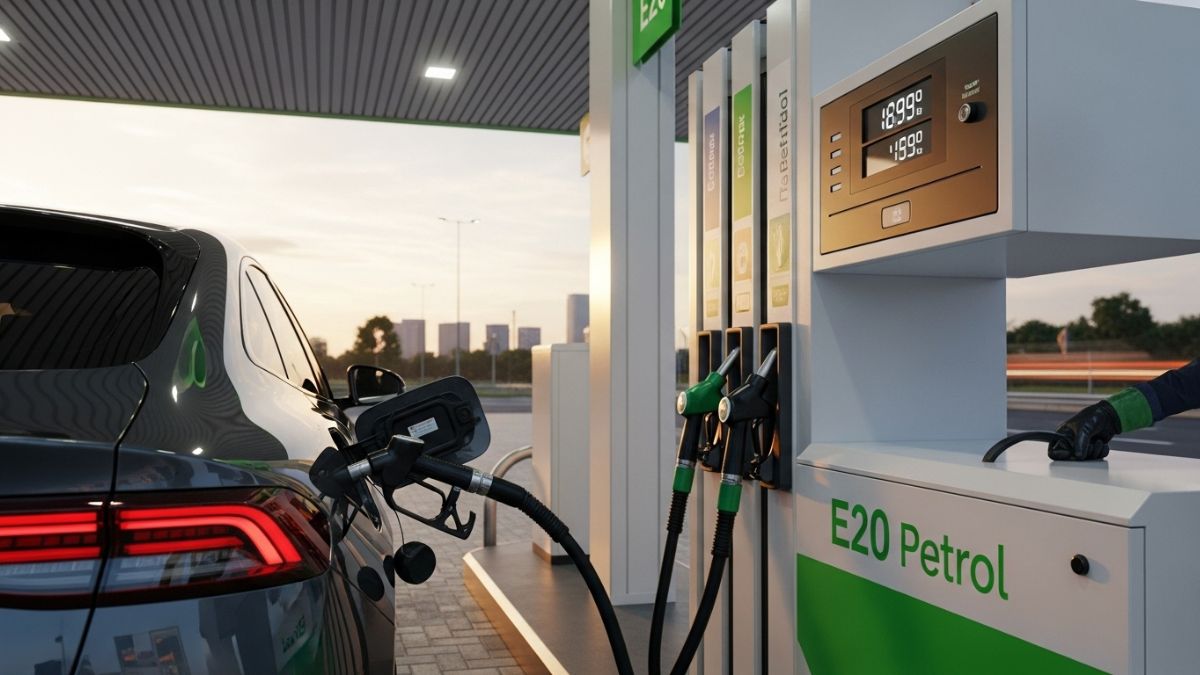
Amid the ongoing controversy over ethanol-blended fuel, several experts have raised concerns over the E20 rollout and called for greater transparency from the authorities. Speaking at an event organised by the Indian Women’s Press Corps on Monday, they highlighted the potential implications of the fuel blend for household expenditure, food security and the environment.
They demanded a decrease in fuel prices in the future, arguing that customers have to deal with additional costs of vehicle repairs because of the mildly corrosive fuel. It will directly increase the financial burden on customers, they added.
While the government claims that the pricing of ethanol-blended fuel compensates farmers, the experts demanded evidence for the payments.
“Where is the evidence that farmers are getting more?” asked D. Raghunandan, scientist and activist at the Delhi Science Forum. He said the profits only seem to benefit distilleries.
Raghunandan sought to debunk the claim that ethanol-blended fuel is better for the environment. Calling the policy “disruptive”, he said that growing rice for ethanol production impacts water utilisation.
The energy expert explained that ethanol has a lower calorific value than petrol, and vehicles require more ethanol to produce the same energy. This would indirectly mean increasing the production of rice, which requires a large amount of water.
He said it also concerns food security, highlighting that the introduction of the petrol blend has changed India’s agricultural focus from food to fuel-oriented.
Ramesh Chand, a former member of the NITI Aayog and agricultural economist, claimed that the government introduced the ethanol blending policy to deal with a surplus amount of rice. The Food Corporation of India has been diverting this surplus for ethanol manufacturing.
"Rice and sugar have been bought at a minimum support price (MSP), which is higher than the international price and the open market price. The surplus amount is neither being consumed domestically nor purchased in the international market," he said.
Referring to the Brazil model, Chand said that the comparison with India is incorrect as the South American country moved more slowly towards ethanol blends, giving them enough time to adapt to the new fuel. He also said that the country’s population is much smaller and has a large area for production.
Raghunandan concluded that the government should reintroduce E10 fuel, a 10 per cent ethanol-petrol blend that is more compatible with older vehicles. He said that while this might affect around 400 distillers dedicated to ethanol production, it will benefit consumers and the environment, who are paying a higher cost.
