



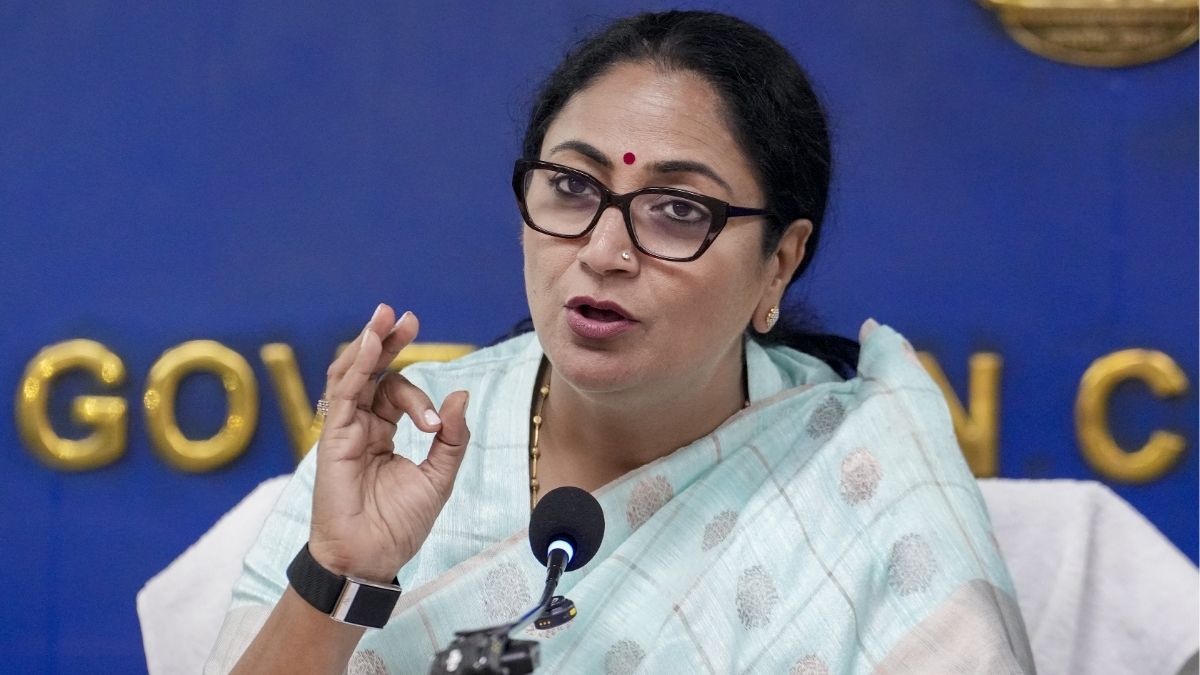
Delhi residents who have been eyeing an electric vehicle now have a compelling reason to take the plunge. The Delhi Cabinet approved its new Electric Vehicle Policy on Monday, with Chief Minister Rekha Gupta announcing that the ambitious framework will come into effect from July 1, 2026, with the overarching goal of making Delhi a pollution-free city by 31 March 2030.
At the heart of the policy is a 100 per cent exemption on road tax and registration fees for all electric cars priced at ₹30 lakh or below (ex-showroom).
This alone can translate into savings of several lakhs on a mid-range EV, making the policy one of the most financially attractive in the country. Electric two-wheeler buyers will receive a tiered subsidy of ₹30,000 in the first year, ₹20,000 in the second and ₹10,000 in the third year.
For electric three-wheelers, the incentives are ₹50,000, ₹40,000 and ₹30,000 across the three years, respectively.
Buyers of N1 category electric goods vehicles, i.e., small commercial trucks, will be eligible for a purchase incentive of up to ₹1 lakh.
The policy also offers a scrapping incentive of ₹1 lakh to owners of BS-IV four-wheelers or older who scrap their vehicle and switch to an electric car. But no subsidies will be extended to hybrid vehicles. A dedicated online portal will be developed for applicants to claim these incentives seamlessly.
However, there is a fine print: Draft policy documents from April 2026 described the scrapping incentive of ₹1 lakh applying specifically to buyers of electric cars priced up to ₹30 lakh and limited to the first 1 lakh applicants, with a condition that scrapping must be done within six months of obtaining a Certificate of Deposit.
ICE phase-out
The policy sets firm timelines for the end of combustion engines in key segments. From January 1, 2027, only electric autorickshaws will be registered in Delhi, a major shift in a city where CNG autos have long dominated.
Registration of petrol and CNG two-wheelers will be completely phased out from April 1, 2028, after which only electric two-wheelers will be registered.
The government has pegged total investment under the policy at approximately ₹15,000 crore over the next four years to build out charging infrastructure, vehicle scrapping facilities and related ecosystem support.
