



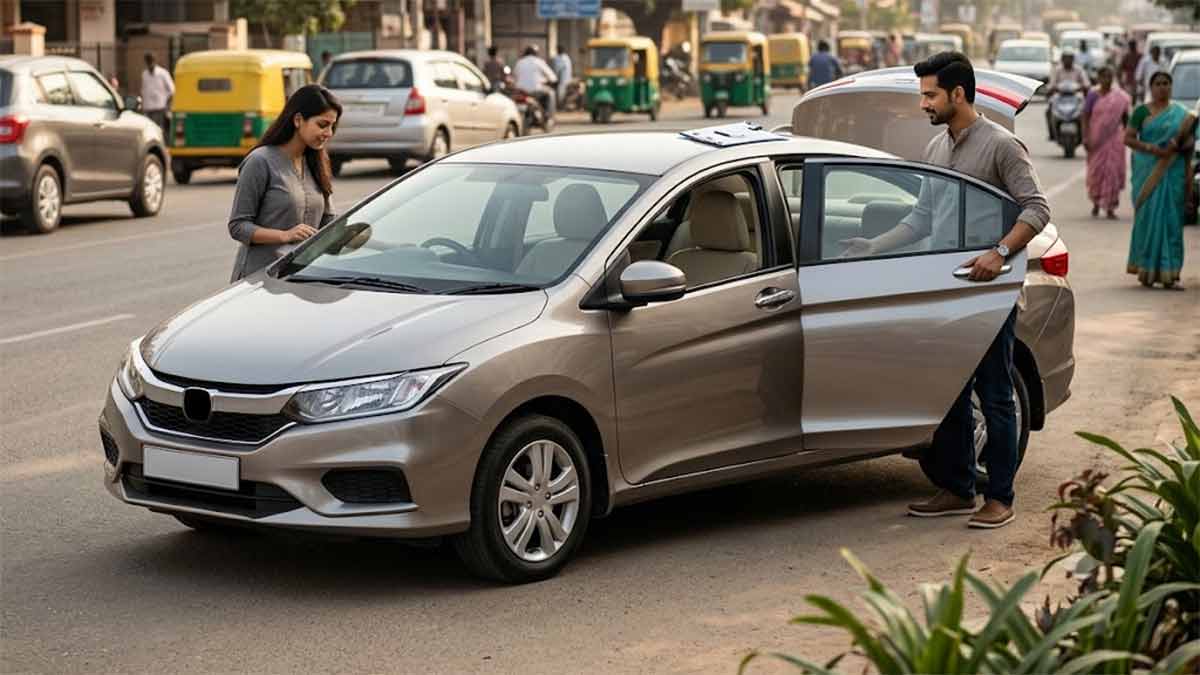
Sedans were supposed to be finished. Every second launch turned into a crossover; buyers were told the three-box shape had run its course - and yet, walk through any resale yard in Pune, Hyderabad or Delhi, and the Verna keeps moving. Petrol, diesel, manual, automatic. It sells because it does something SUVs at the same price can't: rides low, steers light, and returns fuel figures that make daily commuting genuinely cheap.
The case buyers keep making for the Verna
Ask owners what they like and the answers repeat. Ride quality on broken city roads. A cabin that stays quiet at 100 kmph. Service costs that don't ambush you six months in.
The fourth-generation car, sold from 2017 to 2023, is where the used market's sweet spot sits right now, particularly the 2020 facelift with the 1.5-litre MPi petrol and the IVT gearbox.
Feature levels help too. Top trims carried ventilated front seats, a sunroof, wireless charging, and six airbags at a time when rivals were still rationing safety kit. That matters more in resale than most people expect.
A buyer paying eight to ten lakh for a used sedan wants the equipment list of a car that once cost fifteen. That's the value arbitrage the Verna quietly delivers.
The catch is condition. Two Vernas of the same year can differ by a lakh in real value depending on accident history and clutch wear. Any used car platform or dealership that maintains a documented 2nd hand cars quality check online is worth more than a friendly assurance from any seller.
Know the generation before you debate the price
Three Vernas circulate in the used market. They're not interchangeable.
- 2011 to 2016 (Fluidic): The 1.6 CRDi diesel is strong here, but timing belt intervals and cracked dashboards are common gripes. Check the alloy wheels and AC blower, as both fail quietly and cost more to fix than you'd expect.
- 2017 to 2020: Cleaner styling, 1.6 VTVT petrol and 1.6 CRDi diesel with a six-speed automatic. Solid generation overall. The diesel needs proof of oil changes every ten thousand kilometres. No records? Walk away.
- 2020 to 2023 (facelift): BS6 engines, 1.5 MPi petrol, 1.5 diesel, and the 1.0 turbo GDi with a seven-speed DCT.
That DCT deserves close scrutiny. Quick and smooth when healthy, but stop-start traffic punishes the clutch packs in ways the spec sheet doesn't mention. Cars with low recorded mileage can still show shudder when the owner's daily commute has been nothing but crawling city grids.
On a test drive, sit in first and second gear for at least five minutes and feel for hesitation or judder. Most people skip this entirely. Don't. A replacement isn't a small bill.
How the inspection process actually runs
Most buyers imagine an inspection is someone kicking the tyres and checking the lights. It isn't. Not a proper one.
The inspector starts with the chassis number plate and cross-checks it against the RC. Then comes the paint thickness gauge. Factory paint on a Verna sits within a consistent band across all panels.
Readings significantly above that band on a single door suggest a repaint, which is cosmetic and manageable. Readings jumping across the A-pillar, roof rail, and boot floor point to structural repair, and that's a different car entirely.
After that, the underbody goes on a lift. Inspectors look for weld spatter, mismatched sealant beads, rusted subframe bolts, and bent radiator support panels. An OBD scan follows, reading live data and stored fault codes, not just clearing them and hoping nobody notices.
Diesel cars get a smoke check and a close look at the turbo actuator. A thorough inspection covers the engine, body, electricals, interiors, and a road test.
A generic used-car checklist only gets you halfway there. It won't flag the DCT's specific failure mode, because that doesn't appear on a standard form. Before booking inspections on any shortlisted cars, read a proper used Hyundai Verna buying guide. Knowing model-specific weak points changes the questions you ask on the day.
The paperwork stage where deals quietly collapse
Nobody warns you about the transfer paperwork. A good car with messy documents is still a bad purchase.
Start with the RC and confirm the hypothecation status. For interstate transfers, the seller must arrange an NOC from the original RTO before your state issues fresh registration. Some sellers have no idea this is their obligation until you ask.
Insurance transfer should happen within fourteen days of the sale. Miss that window and a claim can be rejected outright. Also request service history from an authorised workshop using the VIN. Stamped booklets get forged. Workshop databases rarely do.
