



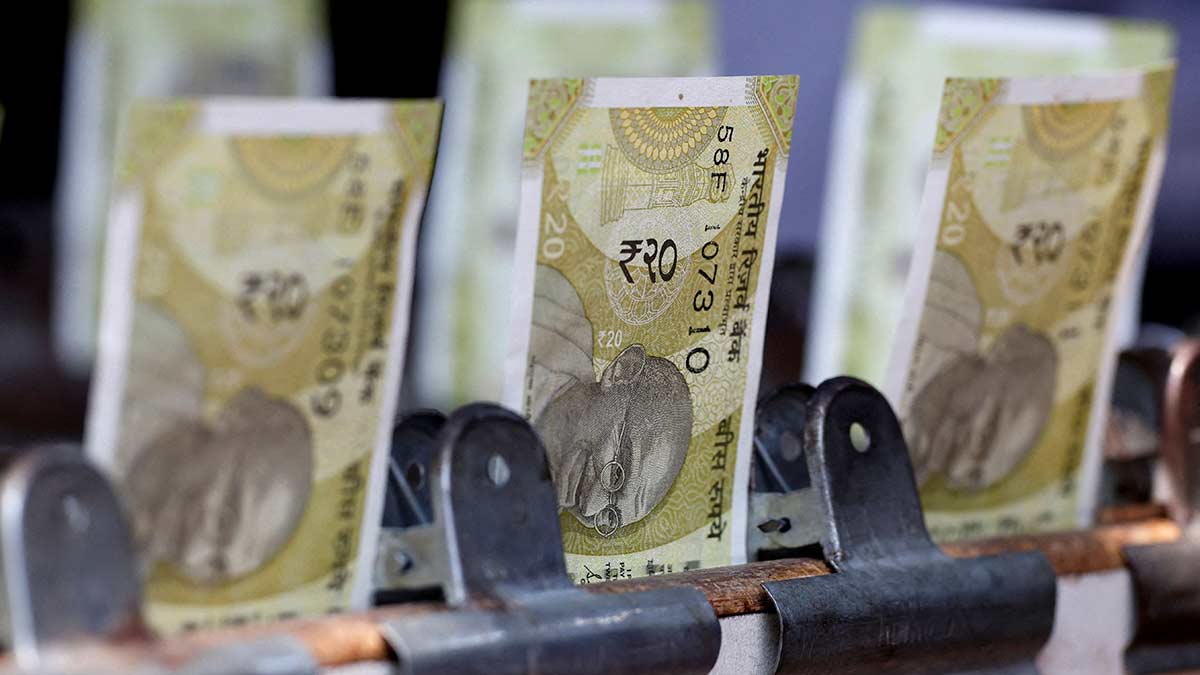
Noticed how tycoons are shown in cartoons? Usually as a fatso, clad in a thick-striped suit, lighting a cigar from a burning dollar bill. It is another matter that a real tycoon, if he burns a bill, would land in jail. Destroying or disfiguring currency is a crime.
Artists may have to discard this bill-burning trope soon. Our mint men are planning to give us plastic cash which may not turn into ash. Rather, it may shrivel, melt or drip, stink and leave some sticky stuff. Think of the stink if all that cash in Justice Yashwant Verma’s house had been plastic. Neighbours would say, filthy rich!
Hoarders needn’t worry. The Bharatiya Reserve Bank Note Mudran, who makes our money, is plasticising only small notes—Rs 10 and 20. Hoarders stack high-value notes.
Mint men say cash is getting dirty quick. The rich have their ways of laundering money; it is the poor who have to be supplied clean money. The plan, therefore, is to print small notes in a polymer-paper combination that won’t get soiled easily.
Three bidders—India’s Cosmo First, Britain’s De La Rue and Australia’s CCL Secure—have shown interest in supplying polymer paper. They will swear on all that is holy that they won’t touch any animal tallow, any Chinese or Pakistani with a bargepole. All three are unholy.
Tallow was found to be haraam in Britain, too. The Bank of England faced severe backlash from vegans, Hindus, Jains and Sikhs in 2016 after 0.05 per cent beef tallow was found in its polymer £5 notes. But the bankers didn’t budge. They said, palm oil, the only veg substitute, is anti-green, since palm is farmed after cutting forests. Anyway, there’s a silver lining. Fewer Britons now count their pounds by licking their fingers. An abominable habit, I say.
Tallow has several tales of taint in India. The 1857 revolt started as a mutiny when rumour spread that the cartridges that troopers had to bite while loading their new Enfield rifles contained beef and pork fat. It angered Hindu and Muslim sepoys. In the 1980s there was a hue and cry when it was found that a popular vegetable oil brand was tainted with imported beef tallow. The latest has been the 2024 Tirupati laddu scandal—Chandrababu Naidu alleged that there was animal tallow and lard in the ghee used in laddus made during Jagan Reddy’s reign of Andhra. A probe found no animal fat, but some palm oil and chemicals in the ghee. The ED, which chases dirty money, registered a case.
Its champions say, plastic money is cheaper in the long run and more secure. They last longer (average lifespan 7.5 years against paper notes that last two years), and can take more security features such as see-through windows, metallic numerals and shadow images that the ISI’s printers in Peshawar can’t copy. Narendra Modi was claimed to have thrown the ISI mints out of business with his note ban of 2016, but they are now said to be back in business.
Polymer notes are slippery and have a static charge. They may get stuck in note-counting machines and ATMs. No worry about the latter. ATMS in India don’t dispense small notes, but banks will have to spend on new counting machines.
Tailpiece: The managers of the ISI’s Peshawar mints, which are alleged to fake Indian notes, missed a golden chance to upgrade their product. One of the passengers in the Indian Airlines flight IC 814 that was hijacked from Kathmandu to Kandahar in 1999 was Roberto de la rue Giori, the Swiss owner of the UK’s De La Rue. The Swiss sent a special envoy to Kandahar to ensure that he came to no harm. Don’t know if money did the talking.
prasannan@theweek.in
