



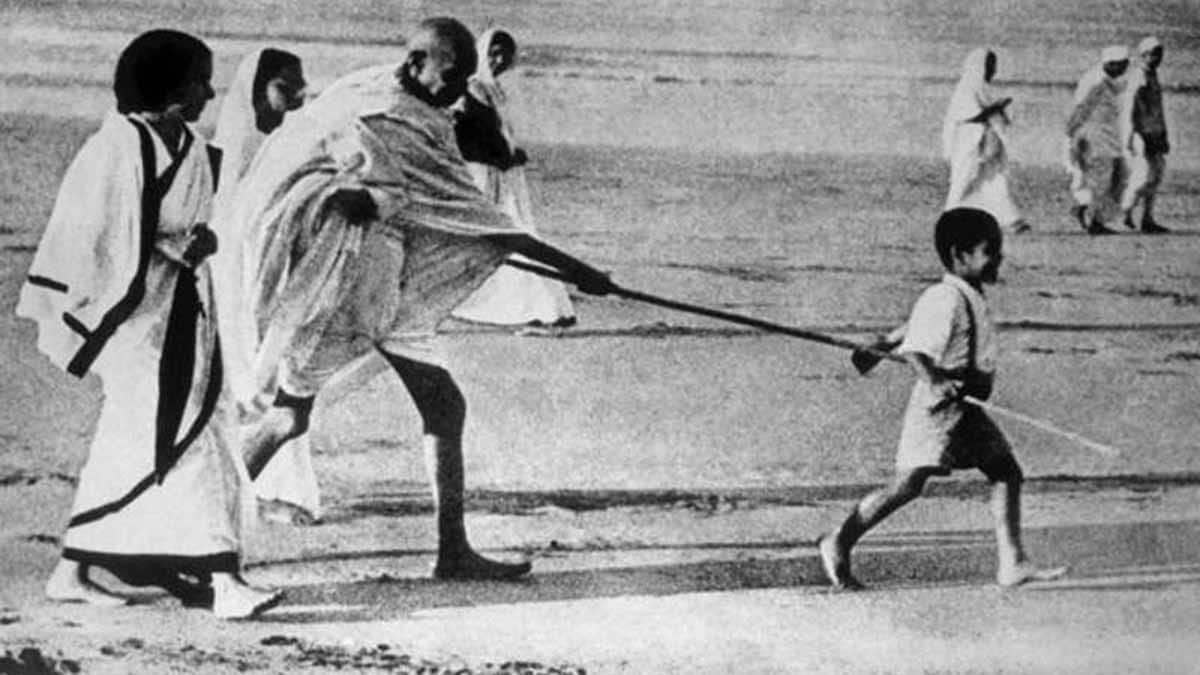
Few would have heard of Alexandre Auguste Ledru-Rollin, but most of our present-day leaders seem to be following his words.
Ledru-Rollin, after whom a Paris metro station is named, was one of the initiators of France’s 1848 revolution (the French have a knack of converting every street brawl into a revolution), and is said to have made the famous statement, “There go the people. I must follow them, for I am their leader.”
May be apocryphal, but the statement would seem to reflect the state of affairs in India’s politics today—instead of leaders leading the masses into action, the masses are nudging leaders into action.
Look at what happened to the cockroach protests. Rightly or wrongly, it had appeared to students and parents that the school system was being tampered with and examinations rigged after Dharmendra Pradhan took charge. Kids being asked to learn an additional Indian language in class nine with no textbooks or teachers; board exam papers marked without evaluators reading them; technical glitches in a countrywide university entry test; and finally, aspiring doctors and dentists finding crooks selling their sacrosanct exam question papers in seedy paan shops.
Exam scandals had broken out every now and then in provincial boards and universities earlier, but never had so many broken out in so few months affecting so several at so large a scale. Suddenly, the bright kid in high school found his future doomed. Coupled with that was the general Gen Z unrest over an economy growing but giving them no jobs. Together they came out on the streets over a mime-call by the Cockroach Janta Party activists who were enraged over a silly remark by the chief justice of India. The rest has been street history.
Now about our netas. The rulers kept their disdainful distance calling them desh drohis. The PM addressed them twice, promised new laws, but no word on holding anyone yet accountable. The opposition initially stayed away from what looked like a pantomime show by a few keypad activists and listless youth. They fought shy, tweeting and Instagramming from their air-conditioned homes, and vowing to make a Punch-and-Judy show in Parliament.
It was student political bodies like AISA that kicked them into action. As the few politically sensitive students joined the protesting Abhijeet Dipke and the fasting Sonam Wangchuk, their political elders realised that history would pass them by unless they joined forces. First came Dalit leader Chandra Shekhar Azad, giving the protest a socio-political compact; then came Rahul Gandhi, Akhilesh Yadav, Arvind Kerjriwal et al staging protest marches and sit-ins, courting arrest and facing police batons.
Was it a case of the tail wagging the dog? Maybe, but no harm. The arrival of the Gandhis, Yadavs and Kejriwals channelled the revolt into democratic streams. What could have turned into Parisian mobs storming Bastilles, burning wagons and looting shops, transformed into politically ideating youth collectives marching down town streets across the country.
For once, Ledru-Rollin was wrong. In India, the youth led the way; the leaders showed the way. They forgot castes, ignored class, joined hands, sang songs, mocked at rulers, raised slogans, took baton lashes, rode over barricades, shared foods, waved at elders and stayed peaceful. Unlike their cousins in Dhaka, Colombo or Kathmandu, the Gen Z of Jantar Mantar didn’t storm Bastilles or bastions, palaces or parliaments. Yet they had their revolution—as Gandhian as it was when the grand old Bapu followed the little Kanu, both holding two ends of the same walking stick.
