



This is a tale of two miracles. One was worked two centuries ago; the other will be in a few weeks. Both in the sleepy central Indian town of Sleemanabad.
For centuries most of central and north India was infested with members of a murder cult called thuggee. Thugs led normal peasant, trader, warrior or priestly lives, but would hunt in packs to rob and kill travellers and pilgrims after the harvest season. They would join travellers on their journeys, earn their trust, garrote them at unsuspecting moments with yellow scarves, bury the dead, and vanish with their belongings. Thugs were both Hindus and Muslims, but both claimed to kill in the name of fierce deities. They had their codes of honour, strict methods of killing and burying, and even a secret tongue, Ramasee.
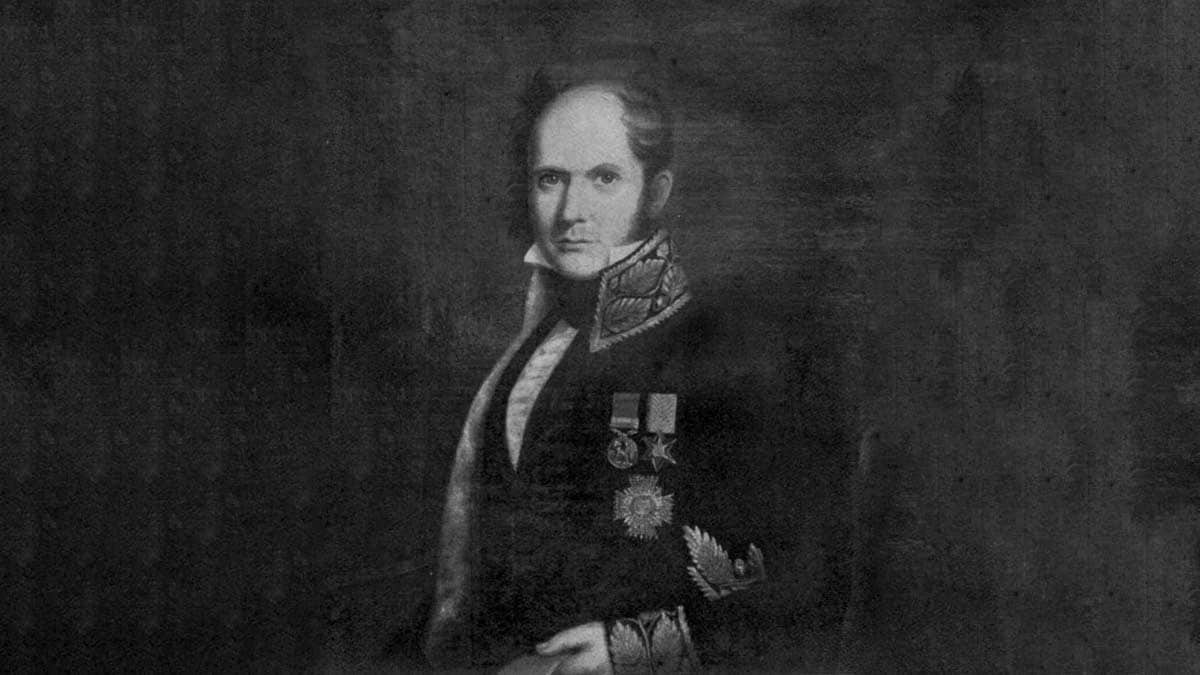
No one knew the origin of the cult, but thuggee killings had been reported since early mediaeval times. Finally, it was a decades-long operation from the 1830s led by William Sleeman, a soldier-turned administrator, that ended the scourge. From his office in Jabalpur, Sleeman delved deep into the cult, read accounts, questioned thousands of suspects, mastered Ramasee (he wrote a book on Ramasee), set up networks of spies, and got laws made to prosecute them. Fantasised accounts suggest he joined the thugs to learn about them.
Thuggee was suppressed by 1856, but Sleeman’s formidable spy network continued to be run by the government. In the early 20th century, it gave rise to the Intelligence Bureau.
Sleeman was also Asia’s first palaeontologist. His 1828 discovery of eggshells and fossils of species like titanosaurus and rajasaurus near Bara Simla Hill was Asia’s first dinosaur findings.
Moved by the plight of peasants at the hands of landlords and moneylenders, Sleeman purchased 90 acres and settled distressed farmers there. The grateful people named the settlement after him, and he donated an oil lamp to their temple. The settlement has since grown into the small town, with a small railway station. The lamp is still said to be there in that temple.
Now, the next miracle. This story goes that the handsome Sonbhadra was to marry pretty Narmada. As the groom’s arrival was delayed, the bride’s sister Johila went forth to check. The groom spotted the pretty scout, and fell in love with her. The spurned Narmada, furious, turned away to the west, vowing to remain a life-long maiden. Thus we see even today the Sonbhadra flowing east, and the Narmada to the west.
The hydro-geology is simple. Both streams originate in Amarkantak, but the varying contours of the Vindhyas send one to the east and the other to the west, leaving thousands of acres in between parched.
Modern Indian engineers realised that 2,45,000 hectares in 1,450 villages could be greened if a small share of the Narmada waters could be lifted over 30 metres to the Son basin. But how to do it without motors? Then came the idea of boring a 12-km long, 10-metre diameter tunnel through the Vindhyan rocks. Seventeen years of mountain-boring, employing American and German technologies and Indian engineering genius, has finally readied India’s longest water tunnel. The 6.5-km upstream tunnel met the 5.4-km downstream tunnel last week. Sleemanabadis, who live at the head of the tunnel, hope the PM will inaugurate it in August.
Want more about thugs? Read Philip Meadows Taylor’s Confessions of A Thug. More about Sleeman? Read Francis Tuker’s The Yellow Scarf. More about the Narmada and the good people who live on its banks? Read Sleeman’s Rambles and Recollections of an Indian Official.
