



The world-famous black door to Britain’s 10 Downing Street seems less the portal to power than a revolving door. Five prime ministers have swung through in five years. Soon, the most-photographed bomb-proof door will open to the sixth prime minister… in five years. Watching these unmusical chairs, Britons mutter mirthlessly, “Round and round, PMs come and go, who’s next in? The northern king!”
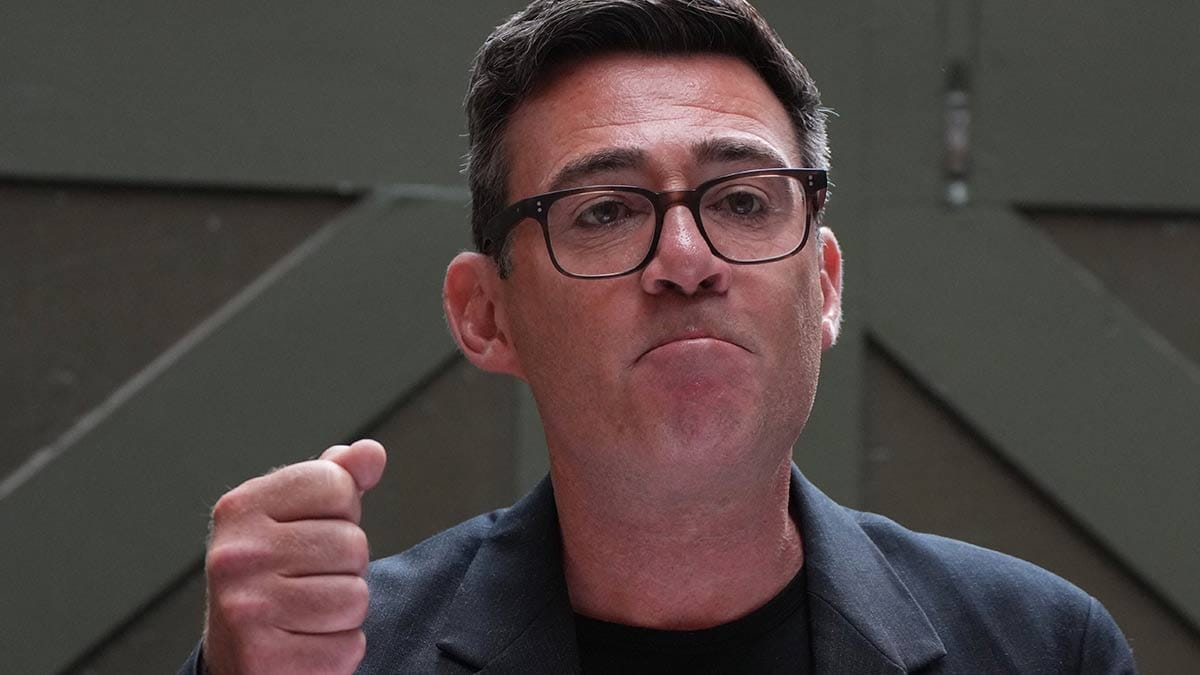
Nicknamed “king of the north” for his popularity as mayor of Greater Manchester, Andy Burnham will most likely succeed the current prime minister Keir Starmer. Ruling Labour Party ministers, MPs and partymen defected to Burnham’s camp after the mayor’s recent triumphant parliamentary by-election victory. Two years ago, Starmer won a national landslide. But now, unsung, unpopular and bereft of options, Starmer tearfully announced his resignation. Another one bites the dust. Another one takes the crown.
Labour members backed the rising star because Burnham demonstrated he has both will and voter-appeal to push back the surging far-right political party, Reform UK. Its leader and Brexit champion—Nigel Farage—milks public discontent. Since the 2008 financial crisis, citizens have experienced poor policing, disappearing jobs and rising prices, while the rich secure policies in their favour. Ordinary folks complain the government is not on their side.
But the “man-of-the-people”, Burnham, 56, challenged London’s financial elite to champion the “underdog”—the downtrodden, homeless, victims of tragedies and scandals. He fought for compensation and fair deals. His popular “Manchesterism” included devolving power, “business-friendly socialism” and asserting state control over utilities like bus services that reduced fares and improved punctuality. The yellow double-decker buses became sunny signs of change in Manchester.
Instead of obsessing over London’s big power-plays, Burnham focused on local issues that improved people’s daily lives. His slogan: “Andy for us” won over Reform’s anti-immigration strongholds, where two-thirds had voted for Brexit, 97 per cent are white, older and less educated than the national average. In the May local elections, Reform had won an impressive 51 per cent of the votes, eclipsing both Labour and the once-dominant Tories.
Detractors say Burnham is a “charismatic chameleon”, a “weather-vane” who swivels to popular wind, flip-flopping and re-incarnating. Earlier, he resisted devolution in local bodies. His policies led to NHS’s first privately-run hospital. Now he says “public control is everything”. Still, even critics concede Burnham has charm, warmth, empathy and a finely tuned political antenna—qualities that Starmer lacks.
Economics, however, could be “lefty” Burnham’s Achilles heel. Markets are nervous about his “radical socialist” policies. In a January keynote at London’s Institute for Fiscal Studies, Burnham said the nation was “broken” by “the four horsemen of Britain’s apocalypse—deregulation, privatisation, austerity and Brexit”. This triggered alarm in London’s financial circles. Experts say economic growth is the sole stimulus for Britain’s survival. Brexit has cost Britain dearly, shrinking its economy, plateauing its productivity and domestic investment. The grandiose promise of “Global Britain” is an illusory slogan. Brexit has bequeathed divisive politics and unravelling governments.
Even Burnham’s supporters anticipate daunting challenges ahead—uniting the nation, strengthening defence and stimulating the economy. It is a giant leap from being a popular mayor to becoming an effective prime minister, from administering Manchester to governing Britain. Burnham is no different from modern, popularity-seeking, conflict-averse politicians who dodge tough decisions in the quest for “likes” and re-election.
Citizens play the only musical chairs game they can play in a democracy—vote them out, bring the new in. There are always enough ambitious politicians to play their “Game of Thrones”. Meanwhile, frustrated citizens spin around in their misery-go-round.
Pratap is an author and journalist.
