



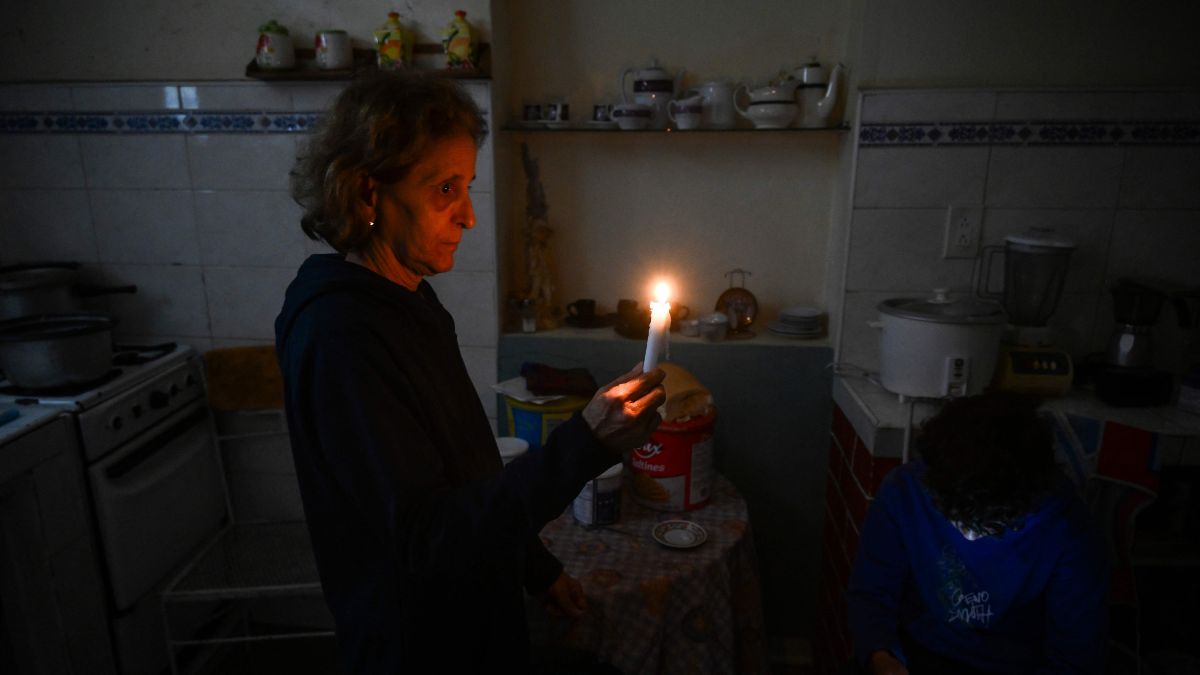
Cuba has been facing a critical oil shortage after its reserves dwindled this month, intensifying blackouts and geopolitical tensions in the country. While Havana has been searching for alternative energy supplies, the US has decided to impose tariffs on all of the country’s oil suppliers.
The island currently has enough oil only for about 15 to 20 days, according to the current consumption and production levels. Kpler estimated that Havana’s reserves stood at 460 barrels at the beginning of 2026.
The country has been seeing a supply shortage throughout the island after Venezuela's leader, Nicholas Maduro, was captured by the US. Venezuela has been Cuba’s number one oil supplier. In 2022, Caracas reportedly supplied 75 per cent of Havana’s crude oil imports. In 2023, Cuba diversified its imports, and Venezuela’s share dropped to 58 per cent, and Mexico became a significant supplier at 31 per cent.
Mexico, meanwhile, has also temporarily halted oil shipments to Cuba amid the heightened pressures from the Trump administration that is seeking a possible regime change in the country. In January, Cuba only received one shipment of 84,900 barrels from Mexico.
Mexican President Claudia Sheinbaum, however, said that the pause was a sovereign decision and not one made under pressure from the US.
Experts and Cubans fear that the economy and essential services of the country is at the verge of a deeper collapse, especially after the supplies for 15 to 20 days.
Cuba is an oil-dependent country and relies heavily on Venezuela's oil for electricity generation and transportation. Thermal power plants depend on fuel to operate, and local oil sources are insufficient to cover the total demand. The oil shortage also disrupts Cuba’s food supply chains. The country also imports 80 per cent of its food, and the blackout interrupts the refrigeration of food.
Cuba today is only able to produce less than half of the electricity the country needs. Oil accounts for about 83 per cent of the country’s power generation.
Cuba has also been facing a shortage of people, with 10 per cent of the island’s population leaving amid the economic crisis.
Cuba’s intensifying economic crisis began in the 1960s after the US imposed an embargo following the Cuban revolution, which led to the country being excluded from the world trade. The embargo was tightened in the 1990s when the Us bared foreign subsidiaries of US companies from trading with Cuba and introduced shipping restrictions. All of the country’s dollar transactions could only be cleared through American banks.
The Trump administration is currently trying to dissuade Mexico from supplying its oil to Havana. Earlier this month, Florida Republican Congressman Carlos Giménez threatened, “Make no mistake: if the Sheinbaum government continues to give away free oil to the terrorist dictatorship in Havana, there will be serious consequences as we renegotiate the USMCA.”
Trump has been pressuring Cuba to sign an agreement to ensure its oil supply and address its ongoing energy crisis. Mexico is being put under intense pressure from the US to curb its shipment of oil to Cuba.
