



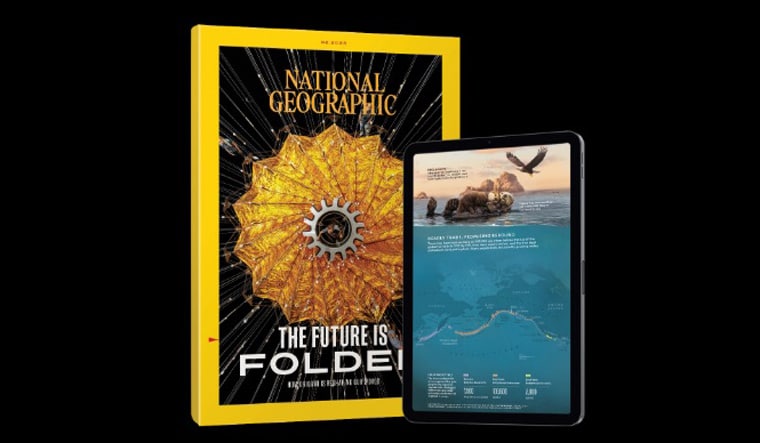
Around 135 years after its inception, National Geographic magazine, which generations loved for its detailed content, vivid photography and panoramic layouts, has laid off its last remaining staff writers on Wednesday. Having been on a downhill path over the last decade and struggling to keep up with the challenges of digital publishing, the magazine had to take the tough decision.
The cutback-the latest in a series under owner Walt Disney Co.-involves some 19 editorial staffers overall, who were notified about the terminations in April, reported The Washington Post.
Hereafter, freelancers will be contributing to the content of the magazine or stories would be put together by the editors.
As part of the trimming the team, they also eliminated the magazine's small audio department.
This is the second round of layoffs in the last nine months. In September, Disney removed six top editors from the magazine's editorial operations.
The magazine had also curtailed photo contracts that enabled photographers to spend month in the field producing the images, reported The Washington Post.
The company had announced last month that the magazines will not be sold on newsstands in the US from next year, the print magazine will no longer be sold on newsstands in the United States.
"My new National Geographic just arrived, which includes my latest feature—my 16th, and my last as a senior writer. NatGeo is laying off all of its staff writers. I’ve been so lucky. I got to work w/incredible journalists and tell important, global stories. It’s been an honor," tweeted Craig Welch, senior writer with Nat Geo.
"Today I'm celebrating my last day @NatGeo- it's def been a fascinating 2 and a half years working with some of the most talented editors, writers photographers, storytellers of the world. I've been so lucky to have worked on the #OverheardNatGeo podcast with such an amazing team," tweeted Eli Chen, who was laid off.
During its peak sales in 1980s, National Geographic reached 12 million subscribers in the US.
At a time when magazines are struggling to hold on to their grounds, National Geographic remains among the most widely read magazines in America. At the end of 2022, reportedly, it had under 1.8 million subscribers.
National Geographic was launched by Washington's National Geographic Society, a foundation formed by 33 academics, scientists and adventurers, including Alexander Graham Bell. In the 1930s, it grew to a stand-alone publication.
Through a series of corporate re-shufflings that began in 2015 magazine's downhill journey began. Back in 2015, the Society agreed to form a for-profit partnership with 21st Century Fox, which took majority control in exchange for $725 million.
The partnership came under the Disney banner in 2019 as part of a massive $71 billion deal between Fox and Disney.
In an email to The Post on Wednesday National Geographic spokesperson Chris Albert said “staffing changes will not affect the company's plans to continue publishing a monthly magazine but rather give us more flexibility to tell different stories and meet our audiences where they are across our media platforms”.
