



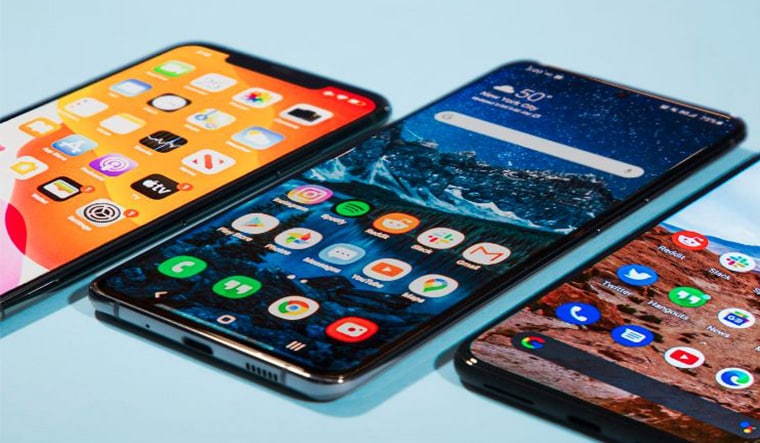
A decade ago, the writing was almost on the wall, as Samsung unveiled its first smartphone which did not go down well with Apple. Dubbed the “war for smartphone dominance”, both the brands went for the jugular, and have been competing ever since in the premium segment.
However, things have changed dramatically in other segments. Unlike 2013 and 2014, when Samsung was the sole superpower in the Indian smartphone industry, with the likes of Karbonn, Intex, and Micromax happy to fight for the tag of the ‘best of the rest’, we now have an extremely competitive smartphone market.
The seeds were sowed when Xiaomi entered the Indian market in 2014, and by 2016, it was evident that the Chinese OEM had struck a chord with the Indian consumers. Smartphone users no longer had to splash serious cash to own smartphone devices with excellent features.
Competitive pricing, the ability to offer feature-rich mobiles even in the budget segment, and the brand ethos have all worked in Xiaomi’s favor, and today, we have multiple other Chinese brands that are competing on all fronts.
But how did we get to this point? We take a look at the intense competition that exists in the smartphone market today, and a few reasons behind this tussle between the brands.
Competitive Pricing
Smartphone brands today try to out-do each other by offering mobile phones with almost the same features and specifications at lower price points. This method is known as competitive pricing, and the thought process behind this method is to strategically offer your product at the same price, or at a relatively cheaper price than your competitor.
Brands like Xiaomi, Realme, and Samsung offer some of the best mobiles under 10000 INR, and as the number of mobile phones being offered increases, the pricing becomes that much more competitive. Consumers can select among hundreds of handsets between Rs. 10,000 - Rs. 20,000, and while the key features remain almost the same between smartphones offered by different brands, the price remains the key differentiator.
Feature-Rich Models
It was Xiaomi that changed the landscape of the smartphone industry forever when it started offering feature-rich phones at affordable prices. Now, almost all the brands pack as many features as possible with excellent specs in budget-friendly mobile phones. The mobiles under 10,000 INR today come with multi-rear camera arrays, excellent batteries, faster processors, and decent RAM sizes.
It has been this ability of certain brands to offer feature-rich phones at affordable prices that enabled them to find the right balance between price points and features. This has made them successful in the budget and mid-range segments, which has only intensified the competition.
Growing Mid-Range Segment
Today, there are over half a billion smartphone users in the country, and the number is expected to reach 820 million within the next two years. The majority of the user base will be in the mid-range segment, owing to the ever expanding Indian middle class. This essentially means that the smartphone brand that captures the largest share in the mid-range segment would do exceedingly well, which is yet another reason why almost all the smartphone brands now offer smartphones in this segment.
More recently, even OnePlus, breaking its recent tradition of only offering flagship models, launched OnePlus Nord in the mid-range segment. Meanwhile, Apple has also signaled its intention of coming down the price ladder to offer the much-vaunted and mythified “Apple experience” to the average consumer.
Furthermore, consumers can also buy mobiles on EMIs, using either their credit card or the Bajaj Finserv EMI Network Card, which makes purchasing smartphones more convenient and affordable.
Market Domination
As previously suggested, the brand that dominates the mid-range segment will arguably establish itself as the most popular and successful brand in the country. This has made the mid-range segment the battleground for market domination for all the smartphone brands.
Understandably, almost all the brands are gearing up for intense competition over the next year or two, as it is now being speculated that even the feature-rich, 5G-enabled smartphones will be offered for less than Rs. 20,000 by many brands in the near future. This is contrary to the previously-held belief that the 5G penetration in the country will be held back because smartphone brands would only offer expensive 5G-enabled handsets.
