



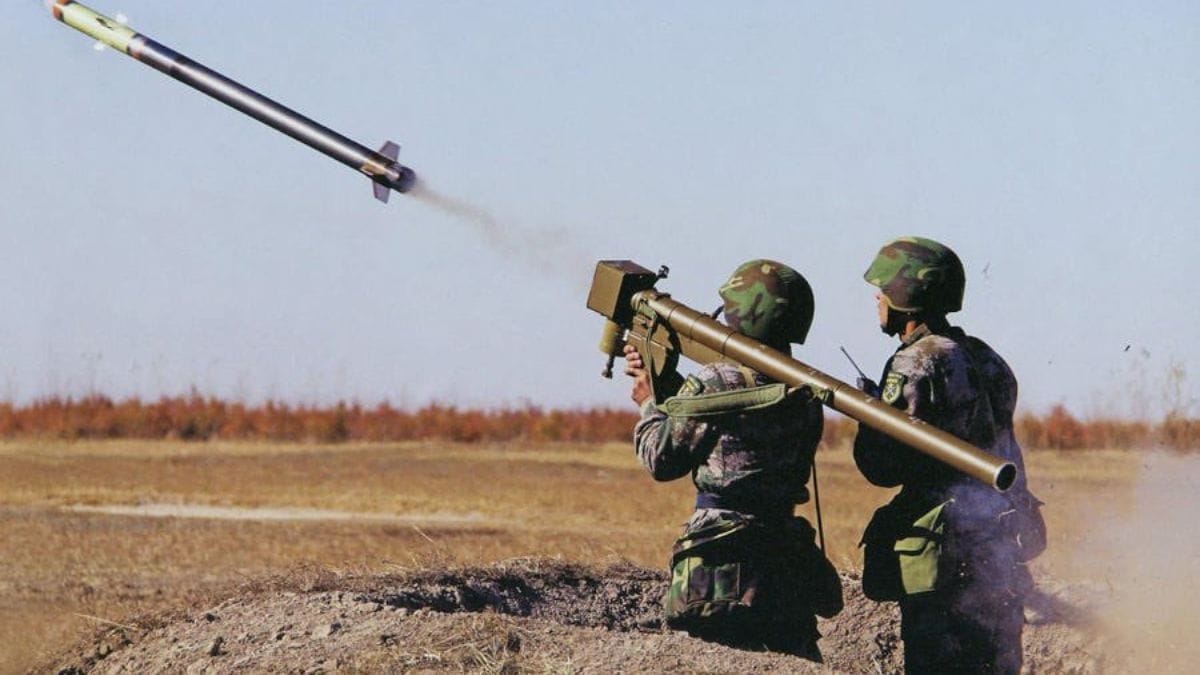
In a few days, a shipment from China will arrive in Iran that could alter the course of the current conflict. Chinese aircraft carrying 300 to 400 Chinese-made mobile air defence systems, worth an estimated $60 to $70 million, will take off from the western city of Urumqi via Pakistan on their way to Iran.
The deal, which was signed through a Hong Kong-based intermediary, includes advanced shoulder-launched missiles of the QW-12 and FN-16 models designed to hit low-flying aircraft, helicopters, and UAVs, according to Reuters.
Two Western intelligence sources and a senior Iranian official told the news agency that Tehran was also exploring using land routes to transport Chinese military equipment and dual-use components, in a more clandestine manner, to reduce the risk of disrupting the shipments.
The weapons pact with China reflects Iran's efforts to rebuild its air defences, which were wiped out in the war with the United States and Israel.
The mobile launchers are particularly important because they can be deployed quickly, moved from place to place, and operated by small crews. They can intercept low-flying aircraft, helicopters, and drones, which could equip them to take on American aircraft carrying out missions in the country's skies.
China's Foreign Ministry strongly rejected the publication, stating that "the reports in question are completely baseless, and China consistently plays a role in promoting peace and ending the crisis.” Pakistan's military too rushed to quash the reports, stating that "the allegations of involvement in the supply of weapons from China to Iran are a complete fabrication.”
Earlier, there were reports quoting US intelligence estimates that China or Russia are providing intelligence assistance to Iran. Both countries were also close to signing a separate deal with China to purchase anti-ship cruise missiles, but it is unclear whether the deal actually went through.
Iran’s attack on the Muwaffaq Salti airbase in Jordan, which was being protected by a Thaad air defence system, also triggered speculations that China was indeed helping Iran. Military experts had predicted that Chinese satellite imagery was helping Iran identify targets at US bases and other sites in the Gulf. The US imposed sanctions on three Chinese companies in May for providing such images.
US defence secretary Pete Hegseth told Congress earlier in the month that China and Russia were helping Iran to some extent. But Donald Trump contradicted him on Friday, saying Xi Jinping and Vladimir Putin had personally assured him that they would not sell weapons to Iran.
