



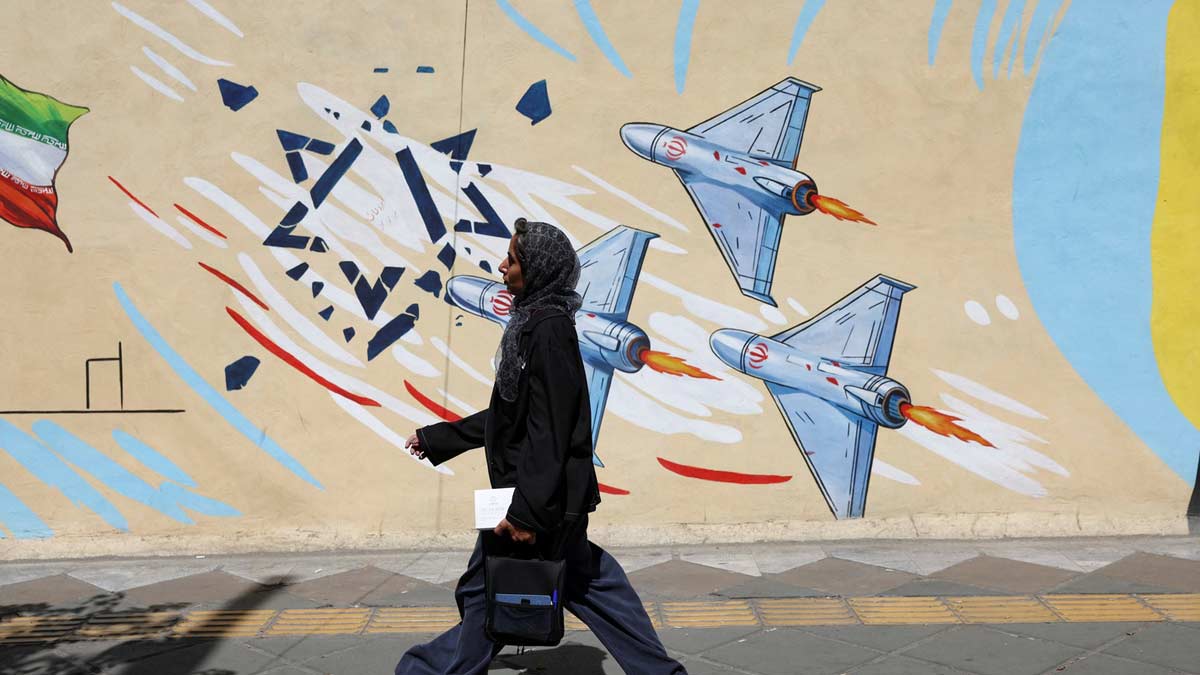
After waging a war for 100 days, the US and Iran agreed in principle on Sunday (June 15, 2026) to a Pakistan and Qatar-brokered memorandum of understanding (MoU) to pave the way for a final peace plan. While the deal had a lot of mediators, Pakistan led the pack in an undeniable big brownie point for Islamabad.
In the early hours of Monday, US President Donald Trump took to social media for a typically pompous post: “I hereby fully authorize the toll free opening of the Strait of Hormuz, and, simultaneously herewith, authorize the immediate removal of the United States Naval blockade. Ships of the World, start your engines. Let the oil flow!”
And then: “Many presidents have tried to make Peace with Iran, and all have failed before me. The Leaders of the Region have, for the first time, found a President who can help them achieve real Peace.”
But the problem is that there are two parties to a pact. While Iran did not share Trump’s supreme excitement in similar proportion, the key points of agreement are open to interpretation, although it is clear that the US pressed for a face-saving deal with an honourable exit more than the Iranians sought while scripting out a story of resilience and superb diplomacy.
But what is clear is that the MoU in itself is no final agreement; it is just a framework pact with the detailed points of agreement yet to be inked. At the moment, both sides have agreed on the cessation of hostilities and to reopen the Strait of Hormuz. On June 19, both sides will meet to finalise the deal.
Nor has President Trump formally signed the document, even as Tehran maintains that the text hasn’t been finalised yet.
Valid for 60 days, the MoU agrees to end military operations. While Iran says the war is to be stopped on all fronts, including Israel’s offensives in Lebanon, the key question is whether the US has the wherewithal to stop Israel from embarking on attacks in Lebanon. Israel’s position is that the ceasefire doesn’t include Lebanon.
While Trump has unilaterally declared the lifting of the US naval blockade, it is not clear whether Tehran would reopen the strait without tolls or whether Iran has a say in the traffic management on the strait. Iran still maintains that the Hormuz Strait is under its control as it forms the core of a deterrence strategy.
Nor is there any clarity on Tehran’s nuclear programme and on the defreezing of Iranian assets by the US. The US position is that Iran stop the enrichment of uranium for a period of 15-20 years and take down nuclear sites, something that the Iranians will find very difficult to agree to.
In other words, dominated by a huge trust deficit, even the baby-steps towards a resolution of issues remain a fragile effort at best.
