



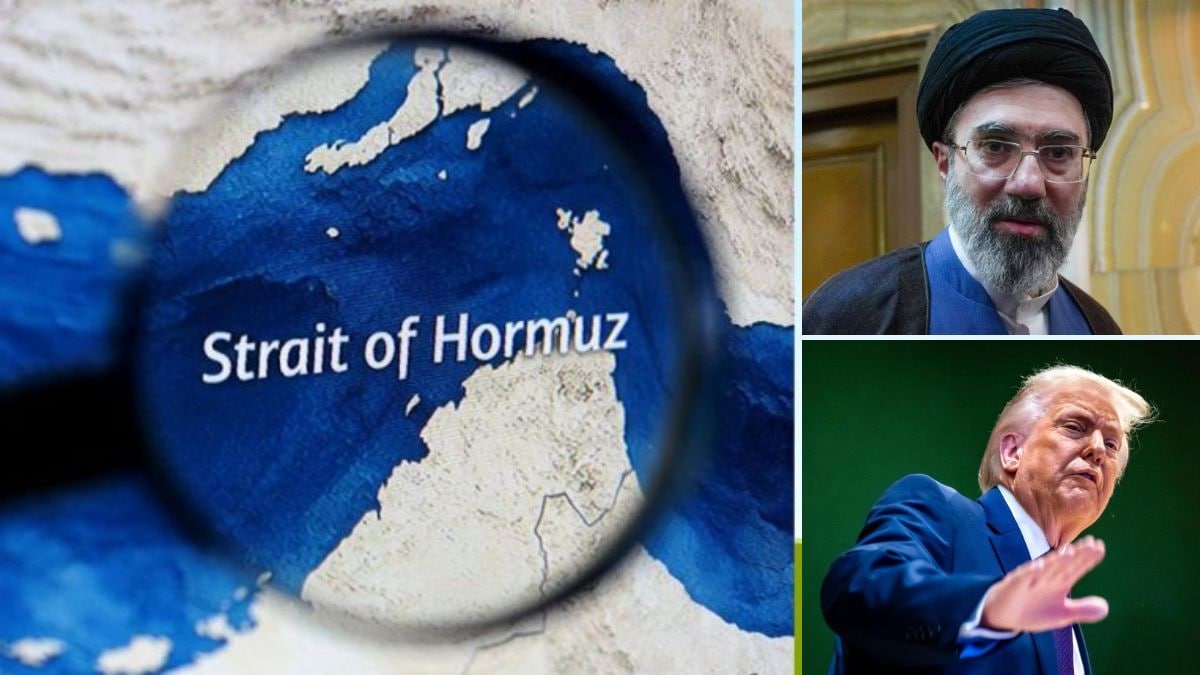
The US awaits a "serious offer" from Iran on Friday about its latest proposal to end the war, Secretary of State Marco Rubio said, amid "sporadic clashes" between the two sides in the Persian Gulf.
The offer calls for an end to the war first, before starting talks to resolve some of the most pressing issues since the war began on February 28, which includes the fate of Iran's nuclear programme.
The "sporadic clashes" between the two sides also stem from tensions over the US Navy blockade of the Strait of Hormuz—which Iran has repeatedly called a ceasefire violation—and Project Freedom, which Trump paused after Saudi pressure to keep the peace talks going.
"We're expecting a response from them ... The hope is it's something that can put us into a serious process of negotiation," Rubio told reporters in Rome.
Tehran is still weighing its response to the latest iteration of the peace proposal, which comes after previous rounds of Islamabad-mediated ceasefire talks fell through.
However, it was quick to call out the US after the Central Command of the US military (CENTCOM) on Friday "disabled" two Iranian-flagged unladen oil tankers trying to enter an Iranian port amid the naval blockade in the strait.
The Iranian military claimed that the atmosphere in the Gulf was "calm" after its retaliation to the US attacks with its own airstrikes on the UAE.
It also warned that further provocations from Washington could lead to the "resumption of such conflicts in the region".
The response came after a US fighter jet fired smokestacks at the vessels to prevent them from entering Iran, and also released visuals purportedly showing the strikes.
CENTCOM added that its forces had redirected 57 commercial vessels and disabled four since the start of the naval blockade.
Iranian Foreign Minister Abbas Araghchi also dismissed US claims about Tehran's missile capacity, claiming that its missile reserves stood at 120 per cent capacity, and that it was "1,000 per cent ready to defend its people".
“Every time a diplomatic solution is on the table, the US opts for a reckless military adventure ... Whatever the causes, the outcome is the same: Iranians never bow to pressure and diplomacy is always the victim,” he added.
