



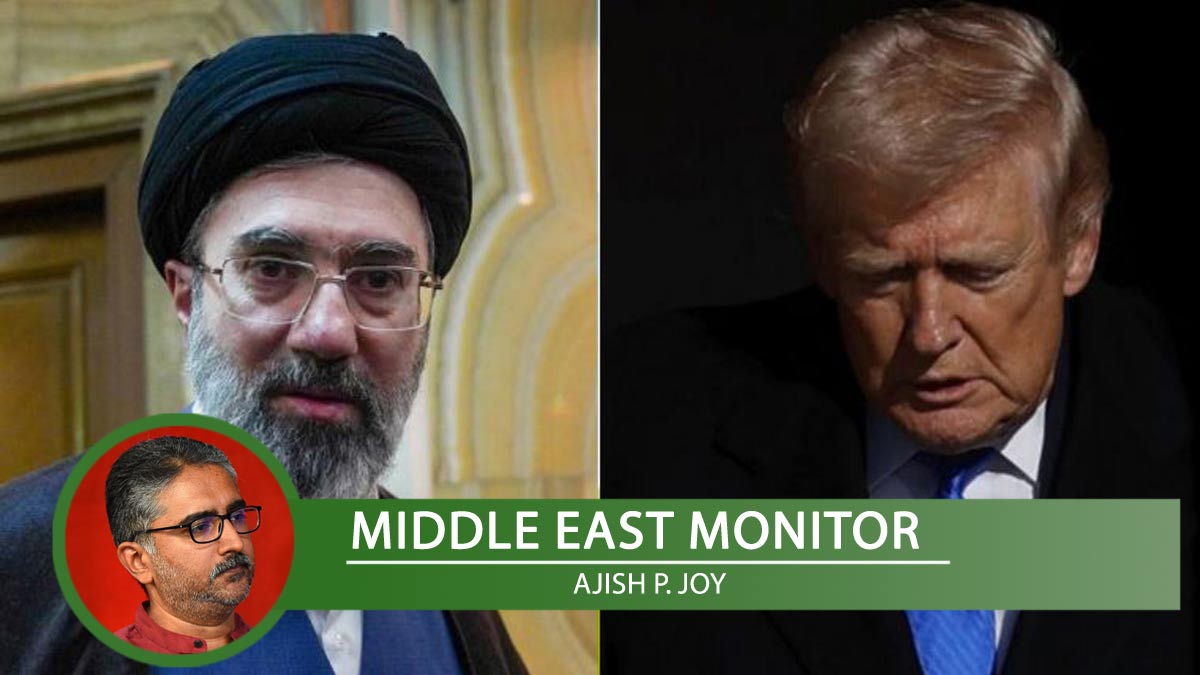
President Donald Trump signalled yesterday that Iran’s latest diplomatic push is unlikely to gain traction, saying he “can’t imagine” its 14-point proposal would be acceptable even before reviewing it in full. The remark, posted on social media, demonstrates the deep mistrust that continues to define the US-Iran negotiating track, even as both sides publicly insist that diplomacy remains open.
At the heart of the impasse lies a fundamental clash over sequencing and scope. Washington’s nine-point framework is built around a two-month ceasefire designed to stabilise the battlefield and create space for structured negotiations. Tehran, however, has rejected the idea of a temporary pause, arguing that such arrangements merely defer conflict rather than resolve it. Instead, Iran is pushing for a compressed 30-day timetable to settle all major issues and secure what it describes as a “permanent end” to the war across all fronts, including the parallel theatre in Lebanon.
Iran’s 14-point counter-proposal reflects this maximalist approach. It calls for binding guarantees against future military aggression, the withdrawal of US forces from the region surrounding Iran, the unfreezing of Iranian financial assets and the lifting of all sanctions. It also proposes a new control mechanism for the Strait of Hormuz, signalling Tehran’s intention to formalise its leverage over one of the world’s most critical energy chokepoints.
Notwithstanding these sweeping demands, there are signs of tactical recalibration. Senior Iranian officials, including deputy foreign minister Kazem Gharibabadi, have suggested that Tehran is willing to decouple the immediate ceasefire from the longer-standing dispute over its nuclear programme. Under this revised approach, both sides would first agree to mutual non-aggression guarantees, bringing an end to active hostilities involving the US and Israel. Only in a later phase would negotiations turn to limits on Iran’s nuclear activities, with the stated aim of creating a more conducive political atmosphere.
This shift matters, but it doesn't settle the deeper argument. For Trump, Iran's nuclear capability is the heart of the issue, which is not something to be pushed aside for later. He has made it clear that any deal worth signing must bring uranium enrichment to a full stop, seeing this as the only real way to keep nuclear weapons out of Iran's hands.
From Washington’s perspective, a phased arrangement risks locking in a fragile ceasefire while leaving the underlying threat intact. As Trump put it, the objective is to solve the problem “completely”, rather than see it resurface within a few years.
The gap between these positions is widened by the broader military and economic context. For more than two months, Iran has effectively disrupted maritime traffic through the Strait of Hormuz, through which a substantial share of the world’s oil supply normally flows. The resulting shock to global energy markets has been severe, fuelling fears of a wider economic downturn. Hundreds of commercial vessels remain stranded on either side of the waterway, while shipping costs and insurance premiums have surged.
Tehran seems determined to tighten its grip. Reports suggest that ships passing through the strait are already being hit with hefty fees, while lawmakers in the Iranian parliament are pushing to make these restrictions permanent. The proposals on the table go further still — banning ships with Israeli ties altogether and throwing up serious hurdles, including potential financial penalties, for vessels from countries Iran considers hostile. If these measures take hold, the strait would stop being a disputed waterway and become something far more controlled, fundamentally redrawing the map of global energy supply in the process.
At the same time, Iran has shown limited flexibility in its negotiating posture. Notably, its latest proposal drops an earlier demand that the United States lift its naval blockade before face-to-face talks can begin. Officials have also hinted that Tehran may be willing to reopen the Strait of Hormuz even before a formal announcement ending US restrictions, suggesting an attempt to signal goodwill without making substantive concessions.
Washington, meanwhile, is seeking to counterbalance Iran’s maritime pressure by building a multinational naval framework aimed at securing shipping lanes and coordinating enforcement. The initiative, backed by Secretary of State Marco Rubio, reflects an effort to internationalise the crisis and distribute the burden of maintaining freedom of navigation.
Yet the path forward has been anything but smooth. The US-Israel war against Iran has soured relations with key European and NATO partners, making it harder to build the kind of broad, unified coalition that would strengthen Washington's hand.
Even with direct hostilities quieter than they have been — US and Israeli airstrikes on pause for several weeks now — Trump's words betray little faith in diplomacy. In effect, the two sides remain locked in fundamentally incompatible approaches. Iran is advocating a front-loaded de-escalation, with contentious structural issues postponed to later stages. The United States is demanding front-loaded concessions, particularly on the nuclear question, before committing to a durable ceasefire. Until this sequencing dilemma is resolved, diplomatic exchanges are likely to continue without producing a breakthrough.
For now, the result is a prolonged stalemate, one in which the costs are being felt far beyond the immediate theatre of conflict. Energy markets are on edge, global trade routes are feeling the pressure and the threat of things spiralling further hasn't gone away. Both Washington and Tehran continue to speak the language of diplomacy, but the gap between what each side actually wants tells a different story — one where a real, lasting agreement still feels a long way from reach.
