



A satellite image has captured an unusual view of a fleet of Islamic Revolutionary Guard Corps (IRGC) fast-attack craft sailing north of the Strait of Hormuz. This comes amid reports that the IRGC seized two cargo ships sailing along the strait on Wednesday before taking them to the Iranian coast.
According to open-source investigator Mehdi H., the view was captured by a Sentinel-2 satellite near the Kargan coast. The image shows atleast 33 boats, most likely armed with short-range anti-ship missiles and artillery rockets.
Though it is not clear what the mission was and whether it was connected to the attacks launched on the vessels. As per reports, Liberian-flagged container ship Epaminodes and Panamanian-flagged container ship MSC-Francesca were seized by the Iranian troops, according to MarineTraffic. The IRGC also opened fire at the Panamanian-flagged vessel Euphoria. The IRGC version is that the vessels ignored the warnings of the Iranian armed forces.
However, speculations are that the vessels could also be used for laying mines. As per reports, Iran has invested heavily in its fleet of small boats, and the IRGC uses them to launch attacks on commercial oil tankers, including using limpet mines. These fleets are extremely hard to find and fix, and do not need large ports to operate from.
Though the US claims it destroyed well over 150 Iranian ships, the IRGC still has many such craft.
There are also concerns that Iranian boats could be exploring the possibility of destroying the undersea cables, considering that they had earlier warned of such an attack. A report that appeared in state-backed Tasnim said the “Strait of Hormuz is not only a crucial route for oil and gas transportation; this narrow waterway is also one of the most important internet chokepoints in the region and the world.”
“The concentration of many internet cables in a narrow passage makes the Strait of Hormuz a vulnerable point for the region’s digital economy,” Tasnim posited, calling it “a place where cables, after passing through the strait, connect to coastal landing nodes and major regional data centres,” which many consider a veiled threat.
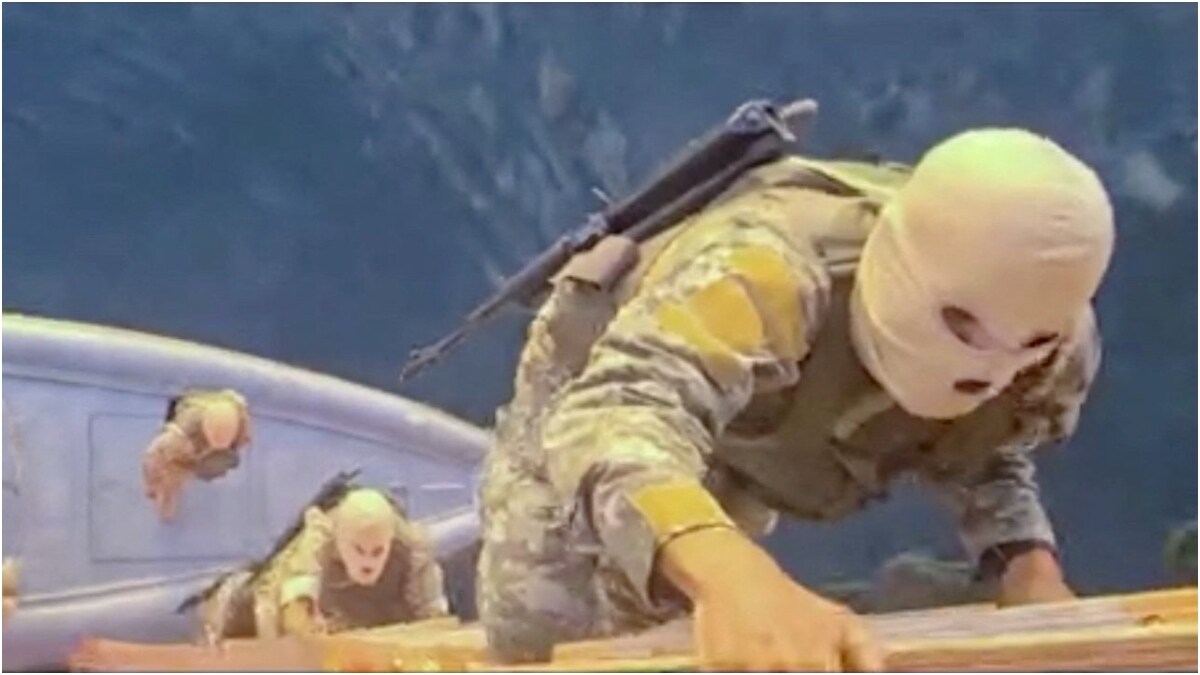
Soon after, Iran released dramatic footage showing the seizure of two cargo ships in the Strait of Hormuz.
The footage released later showed the IRGC commandos with their faces covered approaching the vessel, before opening fire. They continue to board the ships with weapons drawn. The disposition of the vessels and crews is not currently known.
While the IRGC claims that the vessels ignored the warnings, Britain's Maritime Trade Operations Agency reported that a container ship came under direct fire from small and medium weapons. Two Iranian gunboats approached the vessel and opened fire without prior warning or attempt to establish wireless contact, it added.
