



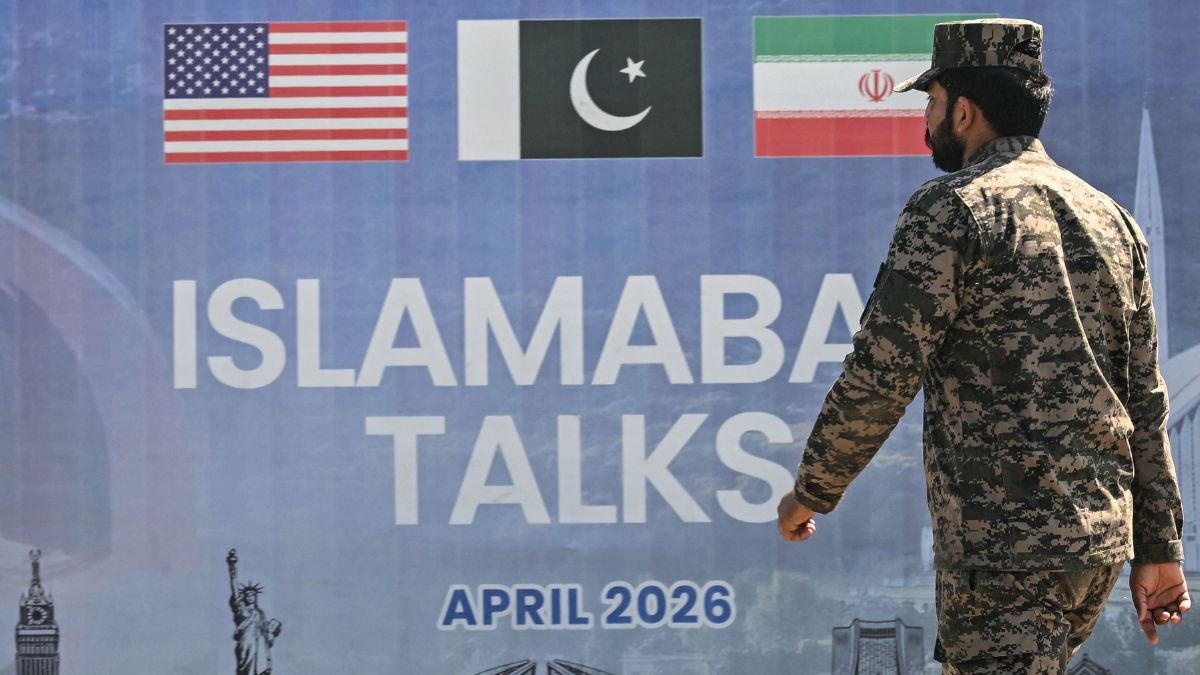
With the two-week ceasefire between Iran and the United States set to expire on April 21, the diplomatic clock is ticking. Both sides face mounting pressure to convert tentative engagement into a workable agreement. Although the initial round of talks in Islamabad stopped short of a breakthrough, both sides have been careful to stress that negotiations remain open-ended. Plans for a follow-up meeting are already underway, with Geneva and Islamabad emerging as likely venues. A network of intermediaries—including Pakistan, Turkey, Egypt, and Oman—continues to shuttle messages and proposals between the two adversaries.
There are cautious signs of movement. US Vice President JD Vance indicated that Iranian negotiators had “moved in our direction”, but he felt that they lacked the authority to finalise any agreement without approval from leadership in Tehran. This reflects a familiar constraint in U.S.–Iran diplomacy: even when negotiators find common ground, domestic political structures on both sides often slow or derail progress.
At the heart of the impasse lies Iran’s nuclear programme. The scale, sophistication, and strategic intent of its atomic infrastructure remain the central obstacle to a comprehensive deal. This is not a new faultline. Earlier negotiations in Geneva collapsed over the same issue, ultimately contributing to Donald Trump ordering military strikes on Iranian facilities. In the current round, Washington has put forward a proposal for a 20-year suspension of all Iranian nuclear enrichment. The formulation is deliberate: it allows Tehran to argue that it has not permanently surrendered its rights under the Nuclear Nonproliferation Treaty, while effectively freezing its programme for a generation.
Iran, though, has pushed back with a much shorter window of five years. It is a position that echoes what Tehran brought to the table in earlier rounds of talks that ultimately went nowhere, and it points clearly to Iran's firm resistance to accepting long-term restrictions on what it considers a matter of national sovereignty.
For the Trump administration, accepting such a limited suspension carries significant political risk. It would invite comparisons with the Joint Comprehensive Plan of Action, the Obama-era agreement that Trump withdrew from, criticising its sunset clauses for merely delaying, rather than eliminating, Iran’s nuclear capability. Determined to avoid a similar outcome, U.S. negotiators are now pushing for a longer-term zero-enrichment horizon that extends well beyond the current administration.
Beyond timelines, the United States has laid down stringent conditions on Iran’s existing nuclear assets. Washington is demanding the dismantling of major facilities—many of which were damaged during U.S. bombing raids in June—and the complete removal of Iran’s stockpile of highly enriched uranium. Of particular concern is roughly 400 kilograms of uranium enriched to about 60 per cent purity, a level perilously close to weapons-grade. The U.S. insists this material must be taken out of Iran altogether to eliminate any possibility of rapid weaponisation.
Vladimir Putin, meanwhile, has put forward an unusual offer to take custody of Iran's enriched uranium as part of a broader deal. The offer is still on the table, but so far, nothing has been formally agreed. Iran has shown little appetite for handing over its nuclear material. Instead, Tehran has floated an alternative: diluting the uranium to reduce how quickly it could be weaponised. It is not a solution Washington is ready to embrace. U.S. officials worry that diluted stockpiles could simply be re-enriched down the line if the political winds change.
Adding to the nuclear question is a tangle of economic and military pressures that make the path to any deal even harder to navigate. The United States has imposed a naval blockade on Iranian ports, hitting Tehran's ability to export oil and engage with global markets. Washington sees it as necessary leverage, but Tehran sees it as a provocation.
Iran is not without cards to play. The Strait of Hormuz remains effectively shut, a reminder of just how much the international community has at stake. Iran also continues to back regional groups like Hamas and Hezbollah, alliances that Washington has made clear must be cut as part of any durable agreement.
Iran, meanwhile, is keen to access roughly $6 billion in frozen oil revenues, currently held in accounts in Qatar. Unblocking those funds would be a financial lifeline for Tehran and also a signal that negotiations are being conducted in good faith. Washington has indicated that meaningful sanctions relief could come, but only once Iran follows through on its nuclear commitments.
Despite these deep divisions, the very structure of the negotiations suggests that diplomacy remains viable. Both sides are no longer debating whether to limit Iran’s nuclear programme, but how long those limits should last and how they should be enforced. That shift, though subtle, marks an important convergence.
As the April 21 deadline approaches, the Trump administration is keen to avoid a return to open conflict, particularly given the limited domestic appetite for another prolonged military engagement. Iran, weakened by recent strikes and economic isolation, also would want to stabilise the situation.
