



The Lok Sabha, on Tuesday, passed the Indian Ports Bill, 2025, which will modernise India’s port governance, enhance trade efficiency, and solidify the country's position as a global maritime leader.
The bill replaces outdated provisions of the Indian Ports Act, 1908, with modern and contemporary regulations. It aims to simplify port procedures and digitalise operations to enhance ease of doing business.
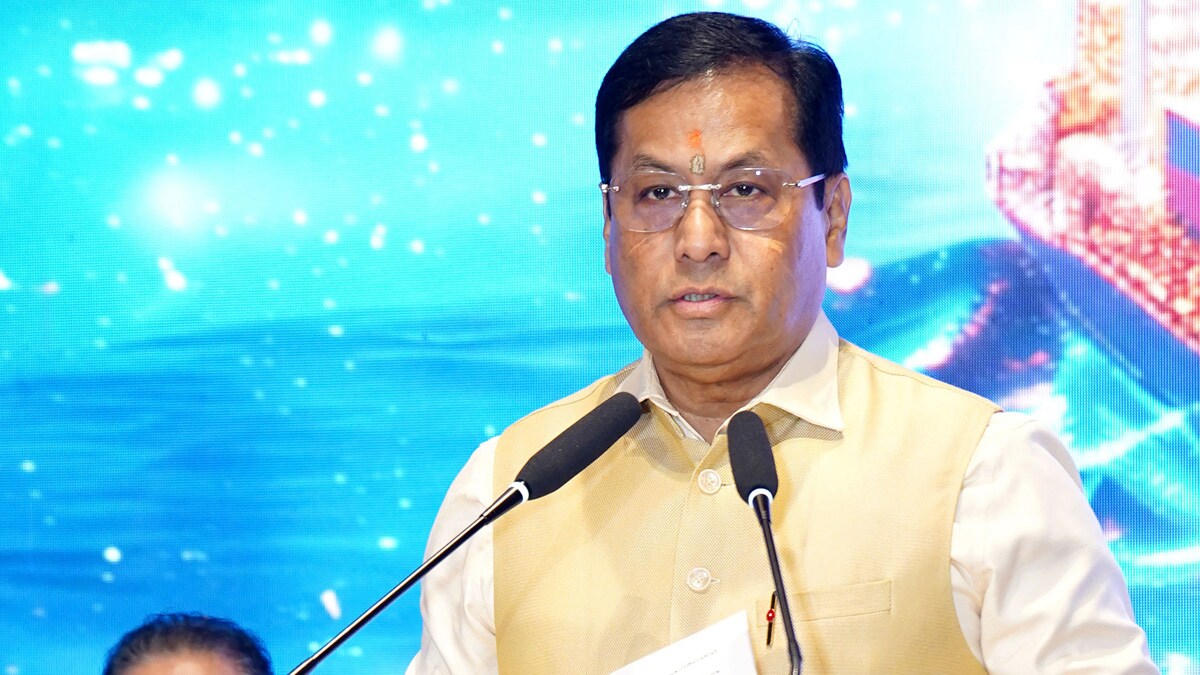
“Replacing colonial-era regulations, the bill reflects Prime Minister Narendra Modi’s vision of a self-reliant, world-class maritime sector," said the Union Minister of Ports, Shipping & Waterways, Sarbananda Sonowal, who introduced the bill.
The legislation also emphasises sustainability, incorporating green initiatives, pollution control, and disaster management protocols for sustainable port development. It seeks to improve port competitiveness through transparent tariff policies and better investment frameworks, while ensuring uniform safety standards and planning across all Indian ports.
The Indian Ports Bill, 2025, will reduce logistics costs by speeding up cargo movement and enhancing connectivity. The bill is also expected to generate significant employment opportunities in port operations, logistics, warehousing, and allied industries. Additionally, the bill outlines strict anti-pollution measures and eco-friendly port practices, contributing to a cleaner environment.
Exporters and MSMEs will benefit from streamlined procedures and improved infrastructure, reducing bottlenecks & facilitating smoother operations.
The bill provides greater autonomy with accountability for ports, allowing ports to set competitive tariffs within a transparent framework. It introduces integrated planning for long-term port development, ensuring cargo growth and improved hinterland connectivity. “A boost to coastal shipping is also envisioned, with seamless integration with inland waterways and multimodal transport systems. The bill provides flexibility in funding, making clear provisions for Public-Private Partnerships (PPPs) and foreign investment in port projects,” a government release said.
The bill establishes a strong institutional framework to support its objectives. The Maritime State Development Council (MSDC), comprising representatives from both Central and State governments, will coordinate national port development strategies. State Maritime Boards will have strengthened authority to effectively manage non-major ports, while Dispute Resolution Committees will expedite the settlement of conflicts between ports, users, and service providers.
Sonowal said, “The bill also aims to boost cooperative federalism as the Maritime State Development Council (MSDC) is aimed at ironing out differences and laying down a smooth way forward for the holistic development of our ports. The bill also provides for the State Maritime Board which helps to effectively manage non major ports, allowing a comprehensive framework for ports development. Under the dynamic leadership of PM Modi, we are creating an ecosystem that will empower our ecosystem to spruce up the maritime prowess of Viksit Bharat, propelling India to become one of the top global maritime nations by 2047.”
In terms of sustainability and safety, the bill mandates waste reception and handling facilities at all ports. It also enforces stringent pollution prevention measures in line with international conventions like MARPOL and Ballast Water Management. Emergency preparedness plans for disasters and security threats will be required at every port, while the promotion of renewable energy and shore power systems will help reduce emissions and foster environmental sustainability.
