


 Add as a preferred source on Google

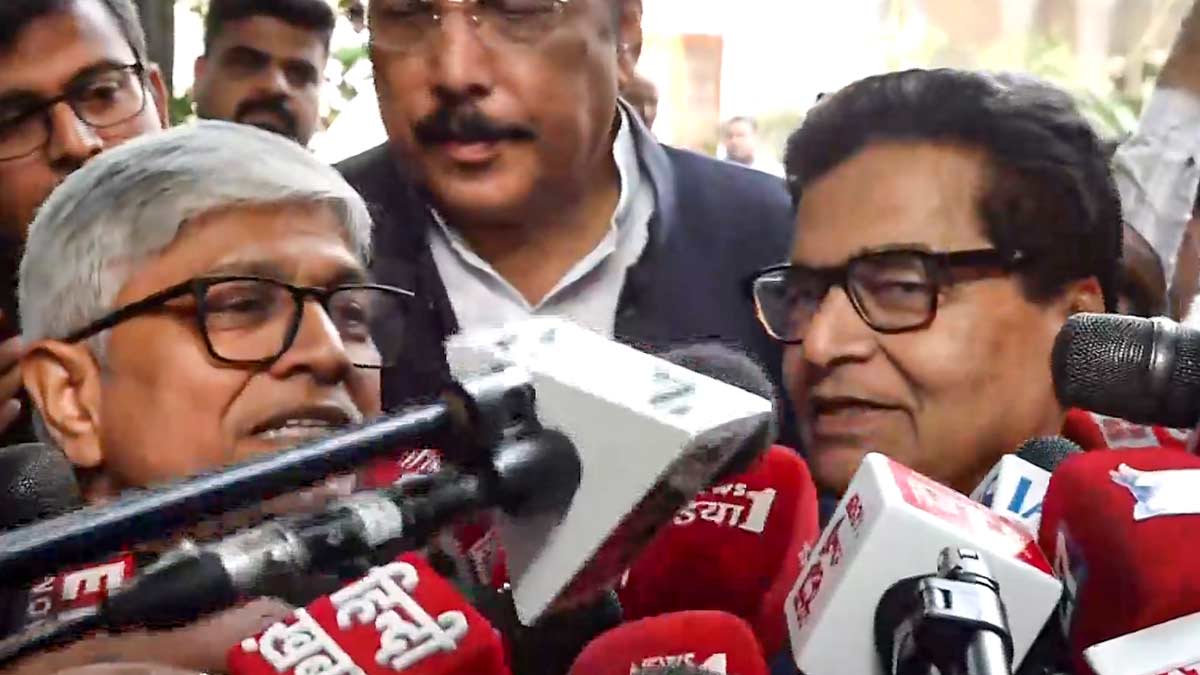
Samajwadi Party (SP) general secretary Ram Gopal Yadav on Tuesday said the party has offered 26 seats to the Congress for the upcoming Uttar Pradesh Assembly elections, even as seat-sharing discussions between the two INDIA bloc allies continue in Delhi.
Yadav said the proposed list includes two constituencies previously won by the Congress and four where the party had finished second.
“The Samajwadi Party has given 26 seats to the Congress. These include two seats that were won, four seats where Congress came in second place, and 20 other seats where the Samajwadi Party had received 60,000 to 70,000 votes while Congress received 2,000 votes, yet we are still giving those seats to Congress,” Yadav was quoted as saying by News18.
SP MP Rajeev Rai also indicated that the party had already conveyed its proposal to the Congress.
“We will hold discussions regarding the number of seats. We have offered them 26 seats,” Rai told ANI.
The two INDIA bloc allies held their first round of formal seat-sharing talks on Monday, with leaders from both parties describing the discussions as “positive”. The negotiations continue on Tuesday.
Sources quoted by PTI said that during the brief meeting, Congress leaders handed over a list of constituencies to their SP counterparts where they want to field candidates in the Uttar Pradesh Assembly elections.
The two parties had contested the 2022 Uttar Pradesh Assembly elections separately.
The Congress is citing the outcome of the 2024 Lok Sabha elections and Rahul Gandhi's position as a prominent Opposition leader at the national level to seek a larger share of seats ahead of the 2027 Assembly polls.
Media reports on Monday said the Congress, which had initially sought 181 seats in the 403-member Assembly, had scaled down its demand to 130 constituencies.
The two-day seat-sharing meeting is being held at the residence of Congress leader and Rajya Sabha MP Pramod Tiwari in New Delhi.
The SP delegation includes Ram Gopal Yadav, Uttar Pradesh unit president Shyam Lal Pal, and Lok Sabha MPs Iqra Hasan and Rajeev Rai.
