



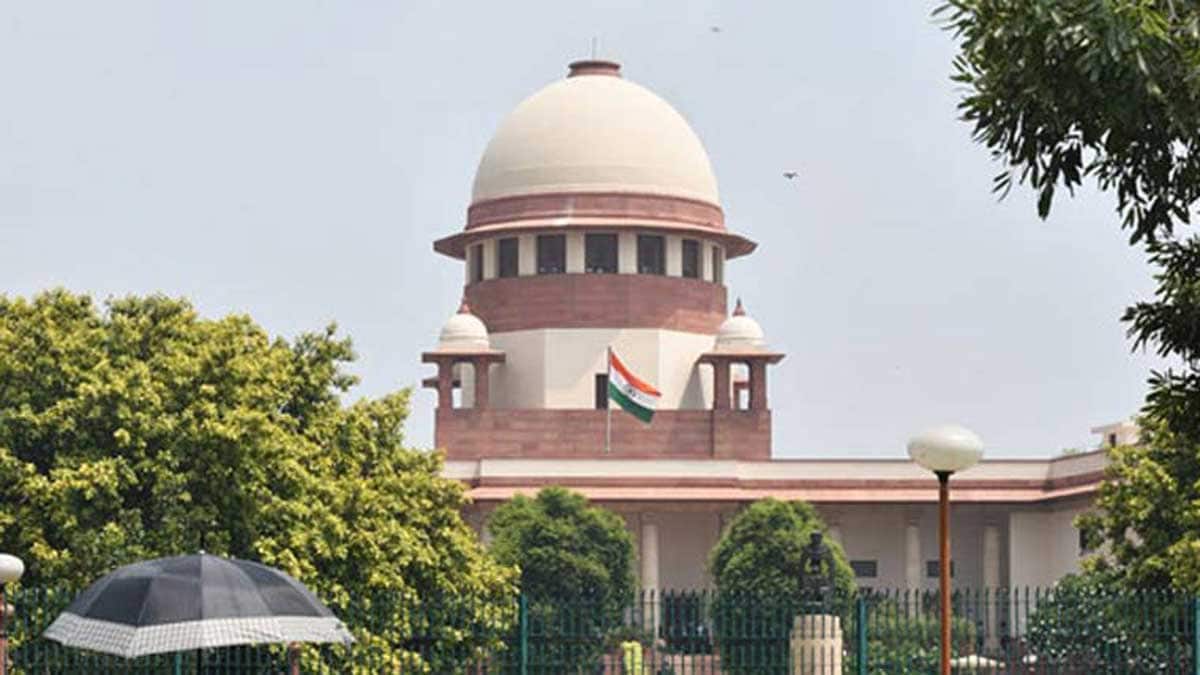
The Supreme Court on Thursday ruled that a person converting to Islam cannot claim backward class reservation solely on the basis of their pre-conversion caste status.
A Bench comprising Justices Prashant Kumar Mishra and Shree Chandrashekhar dismissed a petition filed by the Tamil Nadu government challenging a Madras High Court order that quashed the State government’s notification granting reservation benefits to converted Muslims.
The apex court observed that a person converting from the Hindu social order to a non-Hindu social order cannot claim benefits under Article 16(4) of the Constitution solely on the basis of their former caste status. Article 16(4) empowers the State to make provisions for the reservation of posts in favour of backward classes.
“A person who converts to Islam by that act alone doesn't become a member of one of the seven notified backward class social communities in the State. His former caste status can't be transposed to the Muslim backward class category, nor can his private religious body conclusively determine such status entitlement,” the Bench observed.
The court also referred to the constitutional framework governing Scheduled Caste status, under which recognition is restricted to persons professing Hinduism, Sikhism or Buddhism, subject to the applicable legal provisions.
What about reconversion to Hinduism?
If a person converts from Hindu social order to another religion and subsequently reconverts to Hinduism, can he or she claim reservation under Article 16(4)? The top court observed that such claims cannot be determined merely by referring to the person’s antecedent caste status.
“Such determination requires an independent, fact-specific assessment of whether the original caste or social identity has genuinely revived upon reconversion and whether the person has satisfied the applicable constitutional and legal requirements,” it said.
What was the Madras High Court’s order?
In 2024, the Tamil Nadu government issued an order allowing persons who had converted to Islam from the Backward Classes (BC) or Scheduled Castes (SC) to be classified as BC (Muslim).
Under the order, such converts could be issued community certificates identifying them as members of one of the seven notified Muslim communities recognised as Backward Classes, thereby enabling them to claim reservation benefits.
The Madras High Court quashed the government order, holding that a person who converts to Islam can be recognised as a Muslim but cannot automatically be classified under a notified Backward Class community solely on the basis of their former caste status.
