



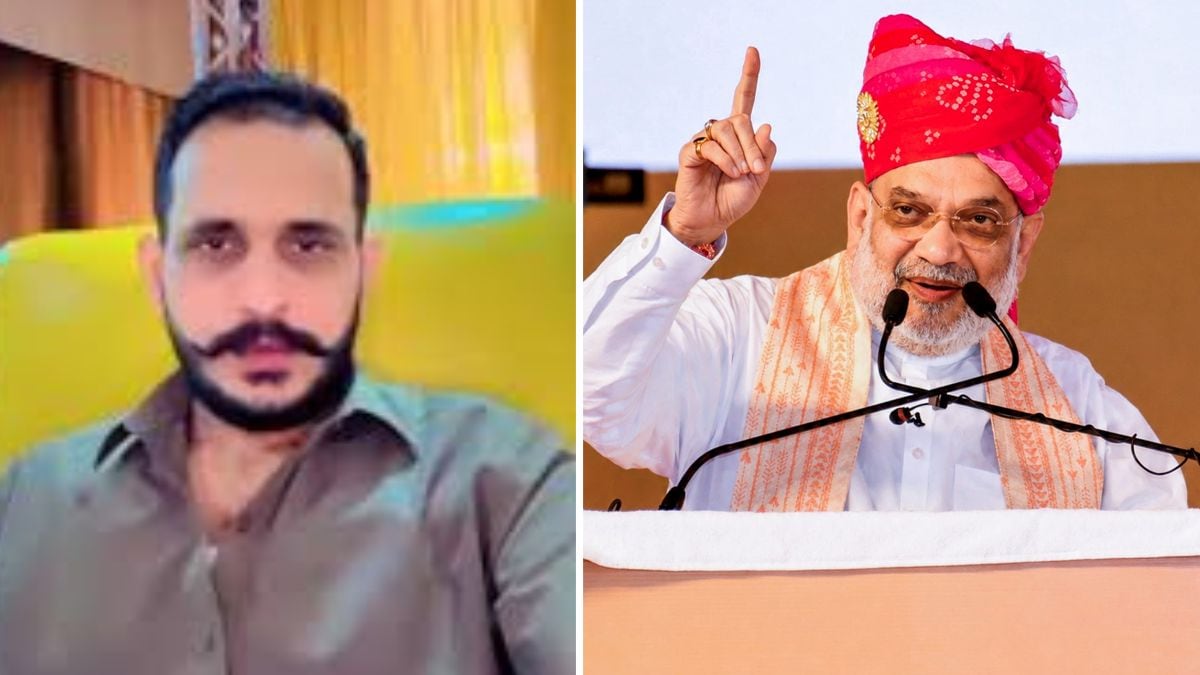
The Ministry of Home Affairs (MHA) on Wednesday declared the Shahzad Bhatti Network a terrorist organisation under the Unlawful Activities (Prevention) Act.
The Centre said the terror-gangster network had 253 operatives across 14 states, including Uttar Pradesh, Haryana, Delhi, Punjab, Rajasthan, Maharashtra, Uttarakhand, Himachal Pradesh, Jammu and Kashmir, Gujarat, Bihar, Karnataka, Telangana, and Kerala. They have been arrested during a nationwide crackdown, and more than 80 FIRs were earlier registered in connection with the network.
Several central and state agencies reportedly coordinated in the nationwide crackdown, which began on August 12. Earlier in June, the NIA had searched 18 locations in Punjab and Haryana for terror-gangster networks linked to terrorist Shahzad Bhatti.
Cross-border terrorism
Shahzad Bhatti is a Pakistani-origin gangster and the key face of the terror-gangster network. Apart from him, the agencies have identified Abid Jatt, Ajmal Gujjar, Hunain Rana, and Hasan Gujjar as the four Pakistan-based associates of the network.
The MHA revealed that the Shahzad Bhatti Network was allegedly involved in cross-border smuggling of arms, explosives, and drugs. Weapons and explosives were allegedly smuggled from Pakistan using drones, according to agencies. This was later distributed through the network’s local operators in India.
The network was allegedly involved in targeted killings, IED blasts, petrol-bomb attacks, and grenade attacks. Several targeted killings and attacks on police personnel were reported in Punjab, including an IED attack outside the BSF headquarters in Jalandhar.
According to Delhi Police, the Shahzad Bhatti Network is behind the promotion of an alleged ISI-sponsored terror outfit, Tehreek-e-Taliban Hindustan (TTH) in the Delhi-NCR region. The network is also accused of a petrol-bomb attack on an RSS office in Ranchi.
The Shahzad Bhatti Network allegedly operated from Pakistan and conducted recruitment of people in India through social media. It is accused of having published hateful content on social media platforms to incite youth, criminals, economically vulnerable people, and those struggling with drug abuse towards terrorism.
The recruitments were allegedly done to conduct surveillance, weapons transportation, and for facilitating terror attacks in the country. In a recent campaign, the network also conducted promotion of the TTH in several states by allegedly paying people to paste posters.
