



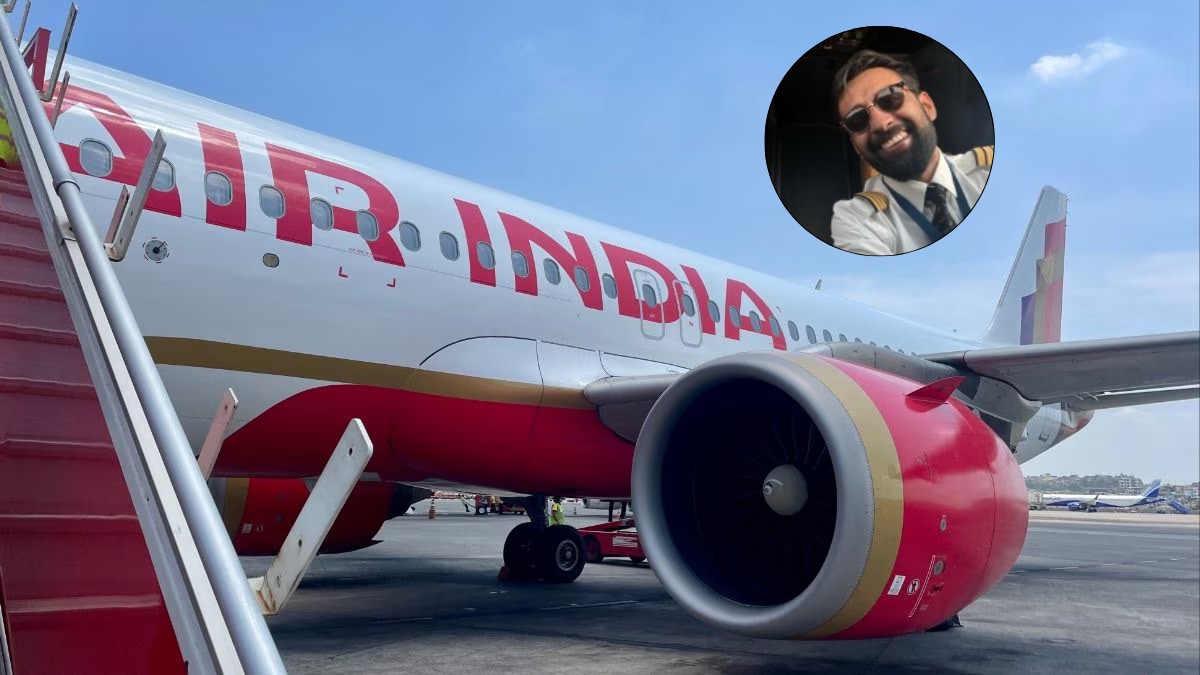
Air India on Friday sacked Sudeep Vashistha, the pilot-in-command (PIC) of the Phuket-Delhi flight that led to 24 passengers injured on August 4 this year.
This comes after a report by the Aircraft Accident Investigation Bureau (AAIB) confirmed that the pilot of the AI 2379 flight—which experienced a severe altitude drop of nearly 300 feet—had tested positive for a "psychoactive substance", which is reportedly marijuana, though the airline did not explicitly confirm it.
"In line with Air India's zero-tolerance approach to violation of safety, fitness or regulatory requirements, the pilot's employment has been terminated with immediate effect," the airline said in a statement on X.
On August 4, the Airbus A320 flight, cruising at 36,000 feet, initially ascended by 372 feet, after which it suddenly dropped by 292 feet, which sparked panic inside the cabin, and caused injuries to the passengers and crew, the AAIB's preliminary report said.
However, the positive substance test is one among many problems faced by the airline at the moment, as the report noted that a triple hydraulic failure took place within a span of four seconds, which sparks questions of regulatory failure.
This had led to a two-second stall warning, as the autopilot was disengaged and a continuous cockpit alarm was triggered.
The hydraulic systems, which use pressurised fluid to power the flight controls and other equipment, began recovering about nine seconds after the first of the three failed, the report said, as per a Reuters article.
However, it did not explain why the pressure loss was detected, as that requires further investigation.
This also comes after the co-pilot of the flight, who had later taken the helm from the PIC, also tested positive for a "psychoactive substance". The AAIB has since upgraded its label of the event from an "accident" to a "serious incident".
