



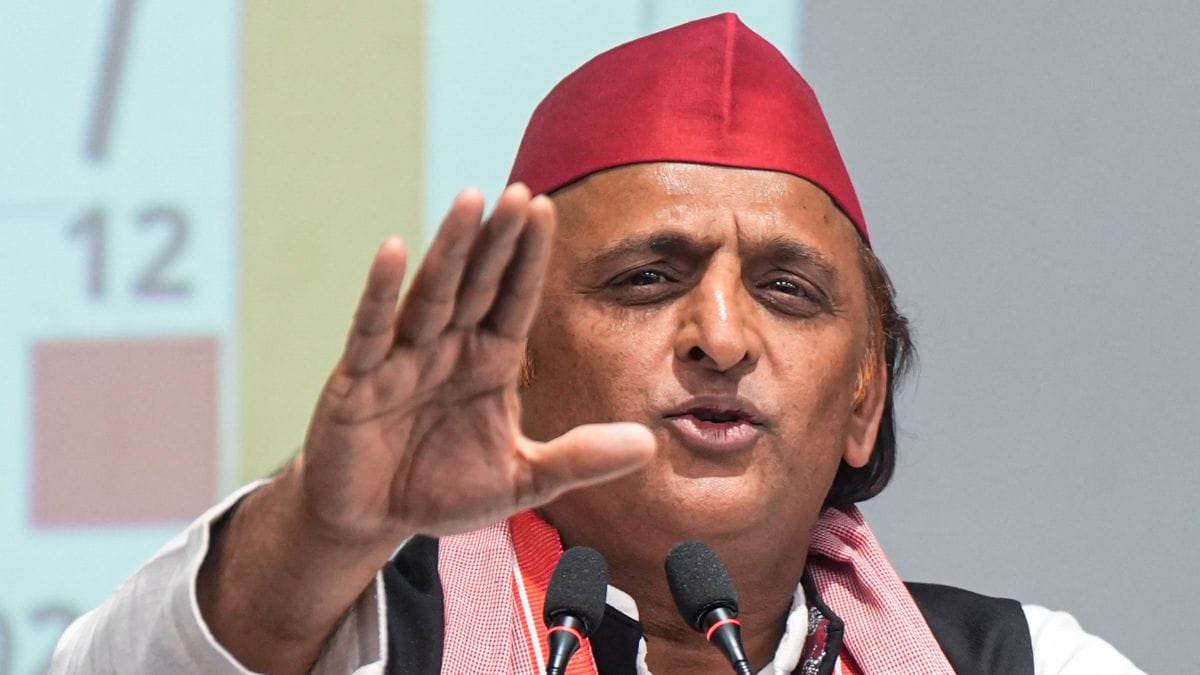
Samajwadi Party chief Akhilesh Yadav is preparing his party for the 2027 Uttar Pradesh Assembly elections on two fronts: rebuilding its booth network on the ground and expanding its presence on screens through AI.
The immediate focus is the booth network. The SP has begun a drive to strengthen its organisation at every polling station, with booth-level functionaries being identified and tracked through an app. The exercise is not limited to appointing workers. It is aimed at identifying gaps in the party's local network, gathering information about voters and ensuring that its supporters turn up on polling day.
This is an area where the BJP has traditionally had an advantage. The SP's emphasis on booth management suggests that Akhilesh sees the weakness not only in winning over voters but also in converting support into votes on election day. The focus on voter lists and possible irregularities also indicates that the party wants its workers to be more closely involved in tracking the electoral process.
The social strategy behind this ground operation is the expansion of the SP's PDA coalition. PDA stands for Pichhde, Dalit and Alpsankhyak, or backward classes, Dalits and minorities. The party is trying to turn the coalition from an electoral slogan into a more organised local network.
That also explains the emphasis on reaching beyond the party's existing supporters. The booth-level campaign is expected to combine voter outreach with a push to communicate the SP's programmes to different sections. Akhilesh is also stressing discipline among workers, including restraint in their language and behaviour.
The question of allies is another part of the electoral calculation. Akhilesh has indicated that the SP's alliance with the Congress will continue into the 2027 election, despite doubts among some party workers about the tie-up.
The two parties fought the 2024 Lok Sabha election together and won 43 of Uttar Pradesh's 80 seats. The result sharply reduced the BJP's tally in the state compared with 2019 and gives the SP a reason to retain the alliance. But the arithmetic of a Lok Sabha election may be tougher, as seat-sharing will have to be worked out constituency by constituency, with the Congress likely to ask for a higher number of seats.
The second front of the campaign is online.
At the SP headquarters on Monday, Akhilesh played an AI-generated video that appeared to show Yogi Adityanath in an unflattering manner, in response to a similar video generated by the BJP. The SP is also accusing the BJP of using AI-generated videos against Akhilesh and his wife, Dimple Yadav.
The spoof videos are being generated by party handles and their sympathetic groups to run down each other. The online duel has escalated after the CJP protests, as all sides now know that a reel on Instagram carries as much weight as campaigning on the ground.
The BJP's digital strength is therefore not limited to producing videos. It has spent years building an organisation that connects its digital campaign to the booth level. That is the model the SP may need to match, even as it experiments with a more aggressive use of AI, to be able to take part in the meme-inspired conversations.
As the state moves towards the polls, the growing use of such content creates a problem for voters. The difference between a clearly labelled political spoof and a deceptive deepfake may not be obvious to voters.
But given the high stakes in the Uttar Pradesh battle, the competition between the BJP and the SP may only increase, not just at the booth level but also on smartphones, where memes and short videos are streamed.
