



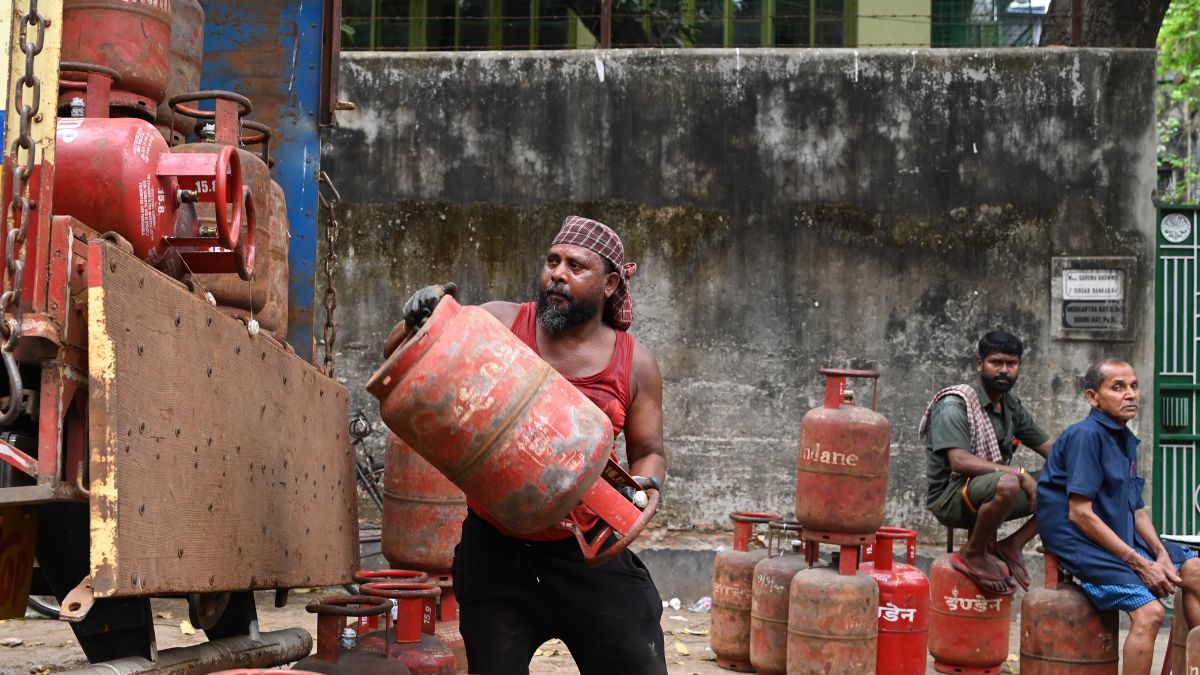
Kolkata is facing a shortage of LPG cylinders, prompting many residents and businesses to seek alternative cooking methods. One noticeable trend is the sharp rise in the sale of induction cookers, as households attempt to manage cooking needs while conserving gas.
Retailers say sales of induction cookers have skyrocketed as uncertainty grows over LPG supply. “Induction cooker sales have increased significantly because people want to save gas. Many households are now using both LPG and induction cookers for cooking. Sales have gone up nearly 20 times as people are uncertain about availability of LPG,” said Sanchita Laha of Guin Electronics.
Another retailer in the Lake Market area reported a similar trend. “There is nearly a threefold increase in induction cooker sales due to the LPG shortage. We have also seen a rise in sales of heating coils and other products, as people try to cook part of their meals on gas and the rest on induction,” said the owner of Shree Durga Stores.
Restaurants prepare for alternatives
The shortage is also affecting restaurants, many of which are exploring emergency measures to keep operations running. Some restaurant owners are considering switching to coal as a substitute for LPG if the crisis worsens.
“Food is still being cooked using LPG. We have not started using coal yet. Food cooked on coal has a smokey flavor, and the cost of coal can also increase when demand rises. LPG prices have already gone up, and once the current 25-day reserve is exhausted, prices could rise further. At that point, we will need to compare the cost of coal and LPG,” said Sagar Mondal, Marketing and PR Executive at Aminia Hospitality Pvt Ltd, a restaurant chain known for Mughlai cuisine and biryani.
Some restaurants already rely heavily on coal for specific dishes, including Kolkata’s signature biryani, while others are preparing to expand coal usage if needed.
“The gas crisis is affecting us. At present we use around 30 per cent gas and 70 per cent coal for cooking. If LPG cylinders are not avaiable, we will have to depend mostly on coal, which could create operational challenges,” said a manager at the historic Aminia restaurant in New Market area, which serves approximately 1,500 to 2,000 customers daily.
Biryani restaurants monitor situation
Restaurants specialising in Awadhi cuisine, which heavily features biryani, are closely monitoring the situation.
“About 50 per cent of sales at all Oudh outlets come from biryani, while the rest comes from other Awadhi dishes. When we order 10 cylinders, we receive eight. When we order eight, we receive six. It is not that we are not getting any cylinders,” said Debaditya Chaudhury, Managing Director of Chowman, Oudh 1590 and Chapter 2 restaurant chains.
Chaudhury added that if the crisis deepens, the group may shift biryani production to coal-based central kitchens before distributing the food to its outlets. “That would only be a temporary measure. I am optimistic that within the next few days the Strait of Hormuz will reopen and we will have access to oil and gas supplies,” he said.
He also noted that the restaurant industry has learned to adapt through past crises. “The Covid-19 pandemic taught us how to use technology and adapt quickly.
Chaudhury also adds that the Covid-19 pandemic helped their chain of restaurants use technology and adapt quickly during crises. “We believe the current situation will too pass,” he added.
Commercial LPG supply severely hit
Distributors say the situation is far more serious for commercial LPG supplies than for household consumers.
“We are unable to meet the demand for commercial LPG. Many restaurants and eateries we supply to have reduced operations. Some, like Balaram Mullick, have cut production in half, while others such as Bawarchi and Bhooter Raja have shut down. Home delivery outlets and caterers are not getting cylinders, and only a few places like Hindustan Sweets are still operating partially. The food industry is on the verge of collapse,” said Bijon Biswas, spokesperson for the Indane LPG Cylinder Distributors Association of West Bengal.
Households panic-buy cylinders
For private households, the supply situation is somewhat better. “We are managing to supply LPG cylinders to households with about a 30 per cent reduction from the regular quota, maintaining a 1:3 ratio,” Biswas added.
The uncertainty has led to panic buying among residents. Many households are stocking up on cylinders, and some are reportedly purchasing them at higher prices through the black market, fearing that the LPG shortage could worsen in the coming weeks.
