


 Add as a preferred source on Google

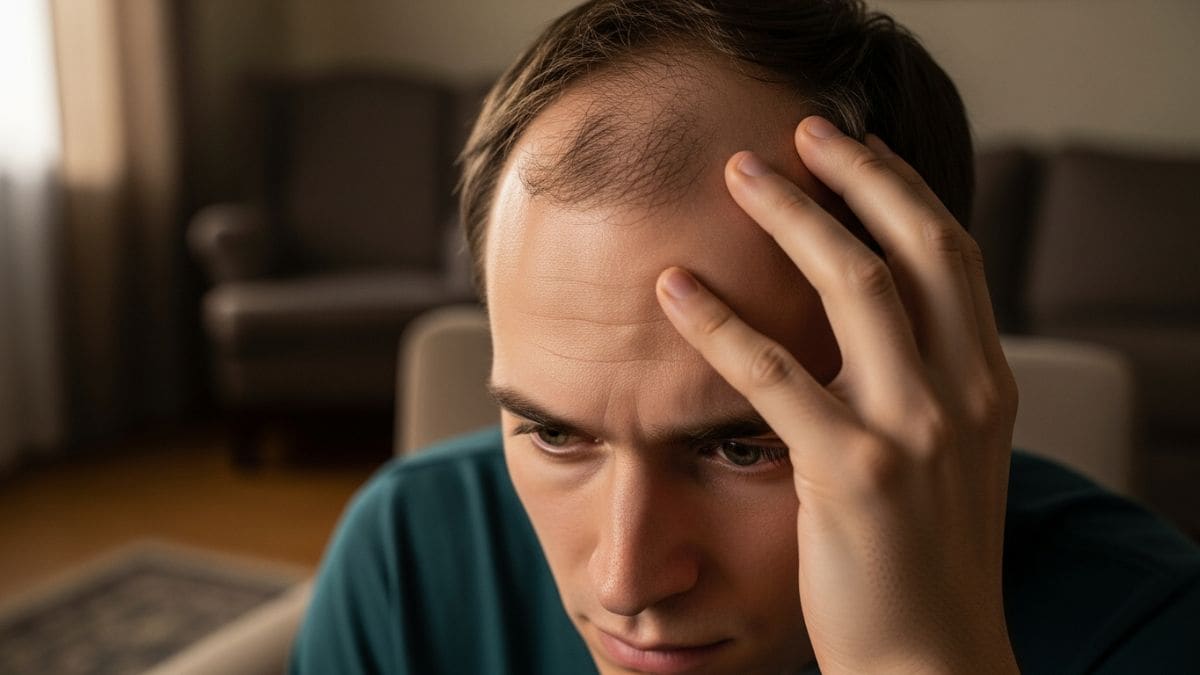
Losing some hair is pretty common for men, and most of the time it’s just the family pattern showing up: a hairline that creeps back or a thinning patch on top. But if you’re also tired all the time and can’t seem to shake it, that’s worth paying attention to. Your body may be telling you something isn’t right.
When it’s time to see a doctor
Go and get it looked at if any of these sound familiar:
Your hair is falling out much faster than before. Normal balding takes years. If you’re noticing a big change over a few weeks, that’s different.
You feel worn out even after resting, and it’s starting to affect your work, your routine or your mood.
There’s other stuff going on too, like weight changes you can’t explain, trouble concentrating, weak muscles, feeling too hot or too cold, or just feeling low.
You’ve got bald patches that are small, round and smooth, instead of general thinning.
What could be behind it?
Low iron or vitamin B12. Your body needs these to keep going, and your hair needs them to grow. Without enough, you feel exhausted, look pale, get out of breath easily, and your hair thins out all over.
A slow thyroid. This small gland controls how fast your body runs. When it slows down, you feel sluggish, put on weight, feel cold, your skin gets dry, and your hair gets weak.
Low testosterone. This can leave you tired, foggy and less interested in sex, and it may play a part in hair changes too.
Long-term stress. When you’re under pressure for a long time, your body can push hair into its shedding phase early, while also leaving you drained.
What the doctor will likely do
Usually it starts with a chat about your symptoms and lifestyle, followed by a few simple blood tests. These typically check for anaemia, how much iron your body has stored, how your thyroid is working, and sometimes your testosterone levels.
The bottom line
Don’t just put it down to age or a busy life. Catching the cause early can save your hair, and more importantly, it can give you your energy back. Once the real issue is sorted, most men feel like themselves again.
The author is the chief of laboratory at Metropolis Healthcare, Rajkot.
The opinions expressed in this article are those of the author and do not purport to reflect the opinions or views of THE WEEK.
