


 Add as a preferred source on Google

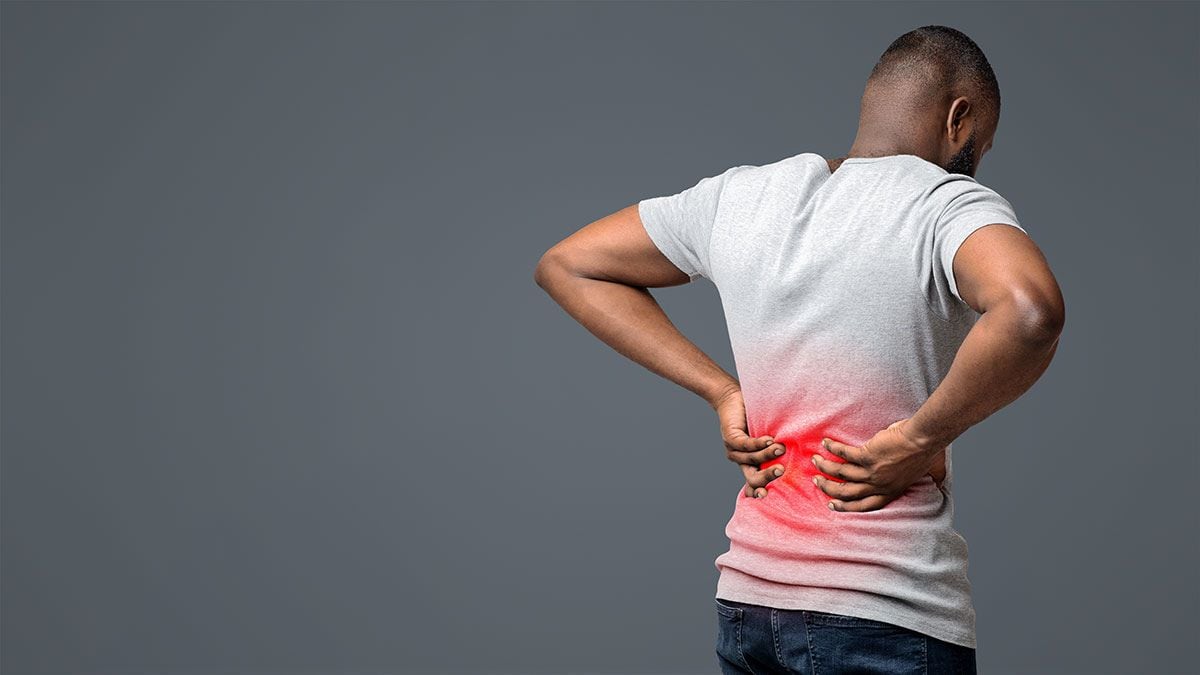
Have you ever felt a sudden twinge after lifting a heavy box, or a deep ache after sitting at your desk all day? Almost everyone experiences back pain at some point. Most of us take our mobility for granted until a simple movement stops us in our tracks. When orthopaedic surgeons discuss this problem, we are usually referring to the lower back, or the lumbar region.
For many, a few days of rest and mild medication do the trick. But for others, the discomfort becomes a chronic hurdle that dictates daily routines.
What is really happening to your spine?
There are several reasons why your lower back might hurt. Sometimes the cause is metabolic, linked to a general weakness of the bones. Very frequently, the issue is purely mechanical. Prolonged sitting or standing puts immense, unnatural strain on your supporting muscles and structures.
In other cases, the problem is bony instability. Fractures or weakened vertebrae can cause the spine to shift unsteadily when you bend forward or backwards. Another extremely common culprit is a slipped disc, referred to medically as a disc prolapse. While issues like infections or cancer can also cause back pain, these mechanical and structural problems are the most frequent offenders.
Decoding the discomfort: Nerves and narrow spaces
Broadly speaking, the pain falls into two main categories.
The first type is caused by the direct compression of the spinal nerves. This often leads to a neurological deficit. A patient might experience sharp pain radiating from their back all the way down into their legs. This radiating leg pain is a classic hallmark of a slipped disc.
The second scenario involves a condition called lumbar canal stenosis. Your spine has a protective bony canal through which your nerves travel. Over time, this canal can narrow due to the calcification of ligaments, bony outgrowths called osteophytes, or bulging degenerative discs.
As the space shrinks, delicate nerves get squeezed. If you develop canal stenosis, you will likely feel a deep heaviness, pain, or numbness in your legs while walking. If you force yourself to keep walking, the numbness only worsens. Interestingly, this specific discomfort is usually relieved just by sitting down for a few minutes. While many spinal issues can be managed with physical therapy and medication, severe stenosis usually requires surgical decompression.
The warning signs: When is surgery absolutely necessary?
How do you know when it is time to stop waiting? While conservative care is our first line of defence, certain clinical signs indicate that surgery is a strict medical necessity.
When time and treatment fail:
If you have severe back pain, especially radiating leg pain, that is not relieved by three to four months of conservative treatment, it is time to reconsider. Rather than permanently compromising your lifestyle, surgery can resolve the mechanical block and restore mobility.
A shrinking walking radius:
For patients with canal stenosis, the distance they can comfortably walk often decreases over time. If your walking capacity drops drastically, sometimes leaving you unable to walk more than 50 or 100 meters before heaviness forces you to stop, your nerves require immediate surgical decompression.
Increasing nerve deficits:
A slight loss of sensation in your foot is concerning. But if you notice that numbness is gradually spreading, or if new muscle weakness appears in your legs, we do not wait. This indicates progressive nerve damage requiring prompt operative care.
Unbearable, unrelenting pain:
Sometimes, the pain is so intense that no prescribed medicine provides relief. If a patient is practically breathing in pain despite taking maximum medication, the spinal nerves are severely compressed. We must decompress them immediately before irreversible nerve damage sets in.
An unstable spine:
If physical trauma, a severe infection, or a tumour causes a vertebra to collapse, it leads to severe spinal instability. Any significant back pain driven by this kind of instability requires immediate surgical fixation to stabilize the spine.
The hidden emergency
This is an absolute medical emergency where we operate without waiting. If you lose control of your bladder or bowel, or go into sudden retention, you need urgent surgical help. People often mistake stool retention for severe constipation. But if a patient has not passed stool for two or three days and is suddenly unable to pass urine, it proves the spinal nerves are critically compromised.
Your spine is the central pillar of your body. Surgery is not a last resort to be feared, but a highly effective tool to prevent permanent damage and give you your life back. A temporary strain might explain a passing ache, but structural red flags demand decisive action. If your body is sending you these warning signs, seek expert help immediately.
The author is an orthopaedic surgeon and a specialist in knee and hip replacement in Delhi.
The opinions expressed in this article are those of the author and do not purport to reflect the opinions or views of THE WEEK.
