



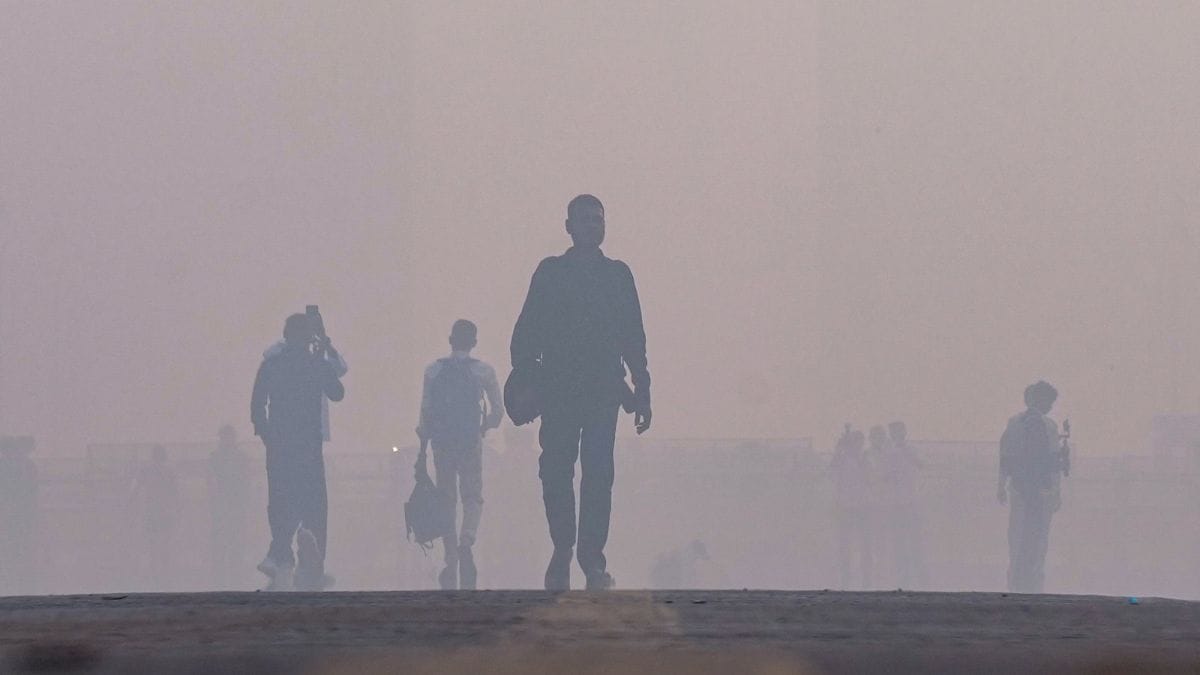
A thick layer of smog hung over parts of North India after Diwali celebrations, during which crackers were burst beyond permitted hours, pushing air quality to alarmingly high levels.
Satellite images released by NASA also showed a thick blanket of haze in the northern regions of the country that include Delhi, Uttar Pradesh and other neighbouring states.
According to CPCB data, Delhi's AQI was 376 on Diwali, the highest recorded on the festival day since 2021, when it was 382. However, according to real-time readings on AQI.in, the air quality in the national capital climbed to 2,283 after the festival, according to the platform.
Medical experts sounded an alarm over the poor air quality index in various states, as children, people above 60 years of age and those with pre-existing respiratory, heart and kidney conditions are more vulnerable to the effects of polluted air.
Precautions to be taken to stay safe from air pollution
Using properly fitted N95 masks when stepping outdoors; avoiding morning and evening walks, shifting exercise indoors and installing air purifiers at home are some of the basic precautions that people can practice to minimise the effects of air pollution.
"People should avoid outdoor exercise when the AQI is high and opt for indoor workouts at a gym or home. Once the AQI drops below 200, they can consider resuming outdoor activities," said Dr Abhinav Bhanot, director of Respiratory and Sleep Medicine at Medanta Hospital, to PTI.
It is also advisable to install high-quality air purifiers at home, particularly in rooms where children and elderly family members spend most of their time. Staying hydrated and eating green vegetables also need to be prioritised.
Experts even stress that people who are on medication or experience breathing difficulties, cough, chest tightness, drowsiness or lethargy should consult a doctor immediately.
