



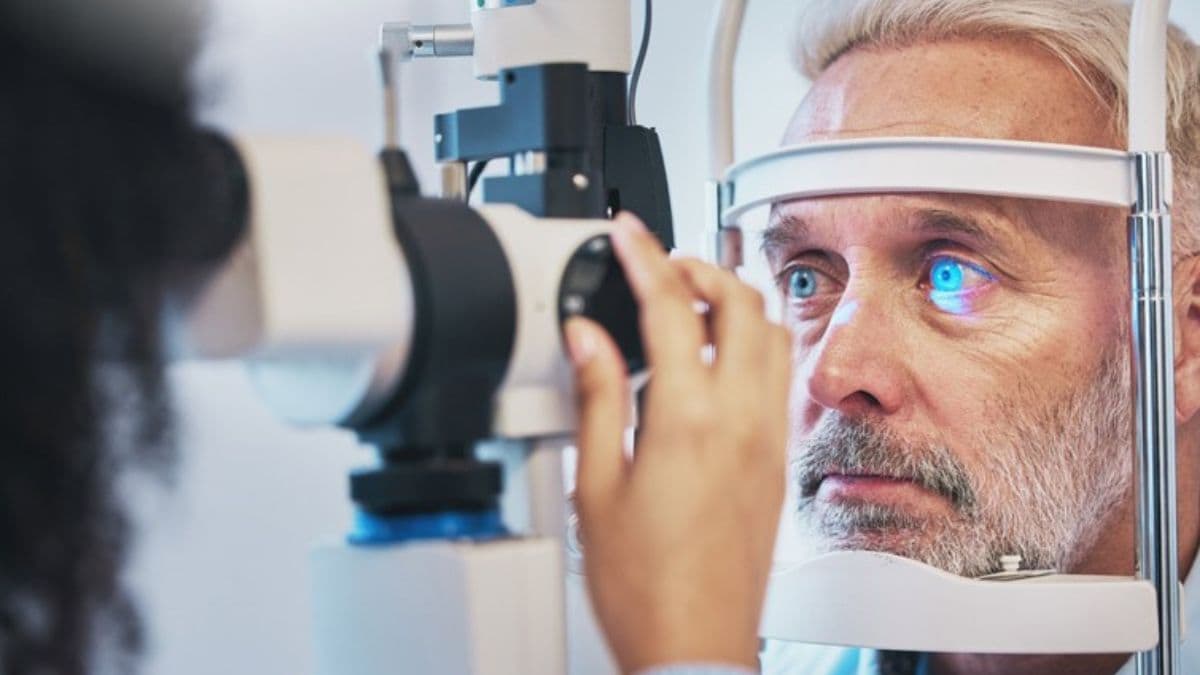
Cataracts, long considered an age-related eye condition, are increasingly being diagnosed in people in their 40s and 50s, prompting ophthalmologists to call for greater awareness of early symptoms and timely eye examinations.
According to figures cited by the National Institute of Ophthalmology (NIO), Pune, nearly 30 per cent of cataract surgery patients are now in their 40s and 50s, while those below 40 account for around 10 per cent. The trend challenges the common perception that cataracts are a problem confined to older adults.
Risk factors
According to experts, early cataracts in the 40s and 50s stem from prolonged steroid use, eye injuries, genetics, and diabetes. Diabetes is a particularly important risk factor, as elevated blood glucose levels can affect the lens of the eye and accelerate cataract formation. Prolonged use of corticosteroids, previous eye injuries and genetic predisposition can also contribute to the condition developing earlier in life.
Changing lifestyles and the demands of modern work may also influence when people seek treatment, says Dr Ramesh Shah, a Mumbai-based family physician. "Professionals who spend long hours working, drive at night or travel frequently may notice visual difficulties earlier because their daily activities require clear, reliable vision."
How is it developed?
A cataract develops when the eye's natural lens becomes cloudy, making vision blurred or hazy. Symptoms may include glare from headlights, difficulty seeing at night, faded colours and the need for frequent changes in spectacles.
In younger and middle-aged adults, these symptoms can interfere with work, commuting and other routine activities. Yet some people may dismiss them as a consequence of tiredness, screen use or changing spectacle power, delaying an eye examination.
"Many non-prescribed eye drops contain steroids which can increase eye pressure, cause glaucoma, cataract and other infections and that's why patients need to be aware," Dr Harshwardhan Ghorpade, Cornea, Cataract & Refractive Surgeon, Hiranandani Hospital, Vashi.
Treatment options
An eye examination is important when vision changes persist. Although age remains a major risk factor, cataracts can develop earlier, and not every instance of blurred vision is caused by a cataract, explain doctors.
Cataract treatment has advanced considerably, with modern techniques designed to remove the cloudy lens through small incisions and replace it with an artificial intraocular lens.
Phacoemulsification, a commonly used surgical technique, uses ultrasound energy to break up the cloudy lens before removing it. Smaller incisions and improvements in surgical precision have helped make the procedure more efficient, while advances in intraocular lenses offer patients a wider range of vision-correction options.
These include monofocal lenses, which provide clear vision at a selected distance, as well as multifocal and extended-depth-of-focus (EDOF) lenses that can offer a broader range of vision in suitable patients. The choice depends on several factors, including the patient's eye health, visual requirements and expectations.
He emphasises that age alone should not determine when a patient undergoes surgery. Instead, the decision should take into account the severity of the cataract, the extent to which it affects daily activities, the patient's visual needs and the expected benefits of treatment.
Not every cataract requires immediate surgery. In the early stages, an updated spectacle prescription and appropriate adjustments to lighting may help some patients manage their symptoms. Surgery is generally considered when the cataract begins to interfere significantly with everyday activities or when it affects the assessment or treatment of another eye condition.