



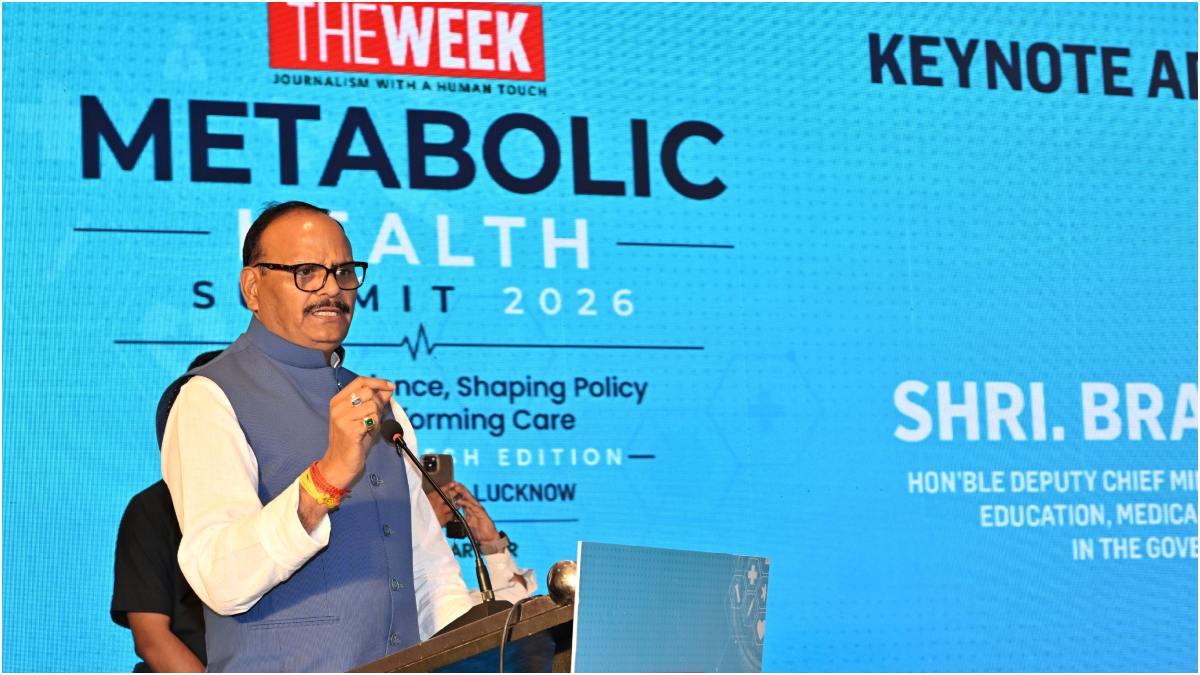
Uttar Pradesh Deputy Chief Minister Brajesh Pathak, on Saturday, called for a stronger focus on preventive healthcare, warning that lifestyle-related diseases were increasingly affecting younger people and urged citizens to change their dietary habits and exercise regularly.
Delivering the keynote address, ‘Building a Healthier UP for Tomorrow: From Vision to Action’, at THE WEEK Metabolic Health Summit 2026 – Uttar Pradesh Edition, Pathak identified obesity, unhealthy eating habits, physical inactivity and mental stress as major contributors to the growing disease burden.
“Until our mind and body are healthy, we cannot contribute effectively to our country and our state,” he said, stressing that public participation was essential to improving health outcomes.
The summit, themed ‘Advancing Science, Shaping Policy and Transforming Care’, brought the issue of metabolic health into focus, with discussions centred on the need to strengthen healthcare and encourage healthier lifestyles.
Pathak, who also holds the medical education, medical and health, and family welfare portfolios in the Uttar Pradesh government, expressed concern over reports of heart attacks among people in their twenties. He said changing lifestyles and eating habits needed greater attention, particularly as diseases associated with older age were increasingly being seen among younger people.
Identifying obesity as a major health challenge, Pathak said people needed to be more conscious of how much they ate and whether their calorie intake matched their body's requirements. He also cautioned against excessive consumption of carbonated soft drinks and energy beverages, advocating healthier dietary choices.
“Why do we not keep our bodies moving?” he asked, comparing the maintenance of the human body to that of a vehicle that requires regular use and upkeep.
Pathak said physical activity did not necessarily require a gym membership or strenuous workouts. Brisk walking, climbing stairs and household chores could help people remain active, he said, urging people of all age groups to incorporate exercise into their daily routines.
He also called for hospitals to devote greater attention to disease prevention, suggesting that dedicated personnel be appointed to educate people about avoiding illnesses rather than focusing only on treatment.
Newspapers, magazines, television and social media should be used more extensively to spread awareness about healthy lifestyles, he said. Such campaigns should explain both the practices that help prevent diseases and the habits that increase health risks.
Pathak also assured healthcare professionals that the state government was open to suggestions for changes in policies aimed at improving public health. He urged medical experts to share their recommendations with the government to help develop more effective preventive healthcare measures.
The deputy chief minister further highlighted the state's efforts to control mosquito-borne and other communicable diseases, including encephalitis, malaria, dengue and chikungunya. While noting improvements in disease control, he said sustained public cooperation was necessary to maintain progress.
He urged residents to prevent waterlogging around their homes, maintain hygiene and remove potential mosquito-breeding sites, including stagnant water in coolers and discarded tyres.
Pathak congratulated THE WEEK and its organising team for convening the summit, expressing hope that continued engagement between policymakers and healthcare professionals would help improve health outcomes across Uttar Pradesh.
