



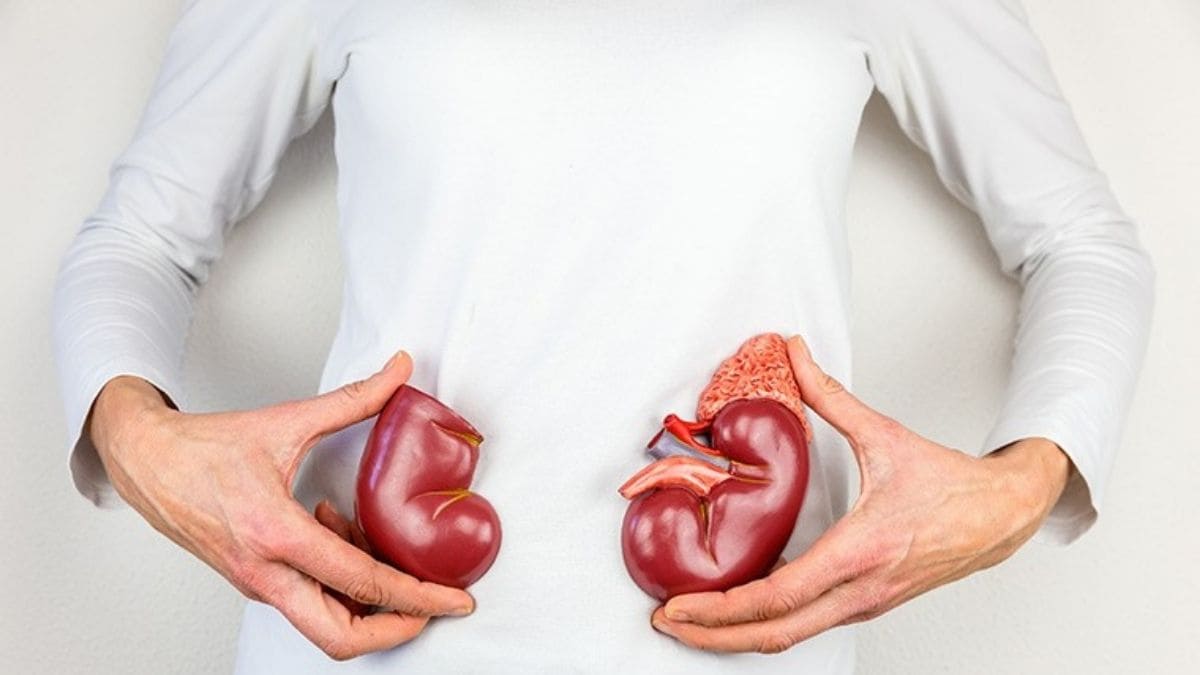
Kidney stones are often associated with middle age, family history or a diet high in certain foods. But increasingly, a kidney stone is turning up in a much younger person — someone in their 20s or 30s, otherwise healthy, working long hours at a desk.
The problem is often not one dramatic dietary mistake. It is the pattern of the workday: coffee replacing water, lunch at the desk, salty packaged snacks between meetings, very little movement and hours passing without enough fluid intake.
A kidney stone forms when certain substances in the urine become concentrated enough to form crystals. Dehydration is one of the simplest ways this can happen because there is less urine to dilute these substances. Here are some everyday habits worth paying attention to.
The water bottle that comes back home almost full
This is probably the most common problem. Someone may start work with a bottle full of water and realise at 5 pm that very little has been consumed. Busy schedules make it easy to ignore thirst, particularly in air-conditioned offices where sweating is not obvious.
When fluid intake is low, urine becomes more concentrated, giving minerals a greater opportunity to crystallise. People who live or work in hot weather may need even more fluid because of water lost through sweating.
A simple habit is to drink regularly through the day rather than trying to make up for the entire day's intake at night. Pale-yellow urine is generally a more useful everyday reminder than waiting until thirst becomes strong.
The ‘harmless’ salty snack at the desk
Chips, salted nuts, instant noodles, packaged mixtures and fast food can add considerably more sodium to the diet than expected. High sodium intake matters because it can increase the amount of calcium excreted in the urine, which can raise the risk of calcium-containing kidney stones.
This does not mean that every packet of chips will cause a stone. The concern is the repeated pattern — especially when salty foods are combined with inadequate water intake.
Coffee is not a substitute for hydration
For many young professionals, the workday runs on coffee. One cup becomes two, then three, while water is forgotten.
The issue is not that coffee itself automatically causes kidney stones. The bigger concern is allowing caffeinated or sweetened beverages to replace water throughout the day. Water remains the simplest choice for keeping urine adequately diluted.
Eight hours at a desk does matter
Sitting for long periods does not directly create a kidney stone in the way dehydration or dietary factors can. But a sedentary work routine often goes together with other habits that can increase risk — poor hydration, irregular meals, weight gain and little physical activity. The modern office routine can therefore become a cluster of small risk factors rather than one obvious cause.
Don't start cutting out calcium on your own
This is an important misconception after someone is diagnosed with a calcium stone. It may seem logical to avoid calcium-containing foods, but dietary calcium is not automatically the enemy. In fact, getting an appropriate amount of calcium with meals can help reduce the amount of oxalate absorbed from food. Very restrictive diets can sometimes do more harm than good. The right dietary advice depends on the type of stone and, when necessary, blood and urine testing.
Repeated stones deserve more than a painkiller
A stone may cause sudden, severe pain in the back or side, pain moving towards the lower abdomen or groin, nausea, or blood in the urine. Some stones, however, cause no symptoms until they move or obstruct urine flow.
If a person has had a kidney stone once, it is worth asking why it happened rather than simply treating the episode and returning to the same routine. Stone analysis, blood tests and sometimes a 24-hour urine evaluation can help identify factors that increase the chance of another stone.
For a young office-goer, prevention does not usually require an elaborate lifestyle overhaul. It can begin with something much less complicated: drink water regularly, reduce the everyday salt load, move during a long workday and don't ignore recurring urinary symptoms or stone-like pain.
The kidneys quietly keep working through every meeting, deadline and commute. They deserve a little attention before they have to demand it.
(The author is a consultant, nephrology at KIMS – Arete Hospital)
The opinions expressed in this article are those of the author and do not purport to reflect the opinions or views of THE WEEK.
