



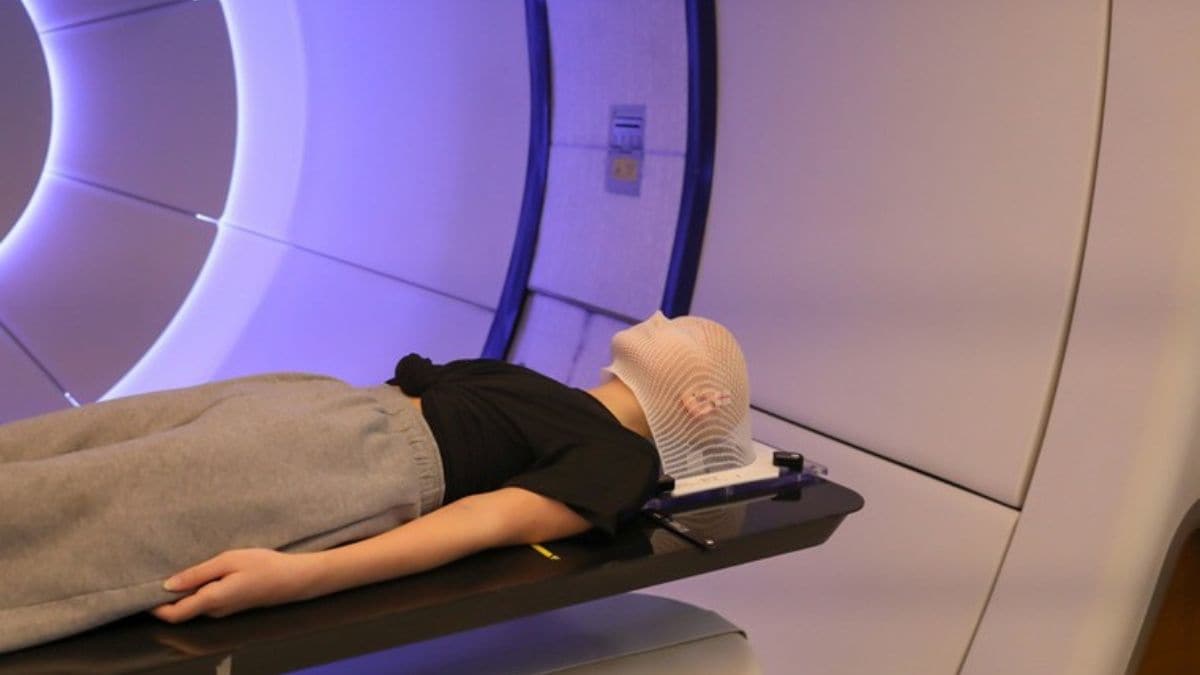
For decades, cancer treatment followed a fairly brutal logic: if a tumour was there, you cut it out. Surgery was the gold standard, the definitive answer. But that thinking has shifted considerably, and for a growing number of patients, radiation therapy — sometimes paired with chemotherapy is proving to be just as effective as going under the knife, without the permanent consequences that often come with it.
This isn’t a fringe idea. It’s supported by decades of clinical evidence, and it’s quietly changing what treatment looks like for cancers of the larynx, anus, bladder, breast, rectum, and prostate, among others.
Keeping what you have
The most compelling argument for radiation over surgery is organ preservation — the ability to treat cancer without removing the part of the body it’s growing in. Laryngeal cancer is the textbook example.
Historically, the standard treatment was a total laryngectomy: remove the voice box, and the patient loses their natural voice permanently. Radiation therapy changed that equation. Studies have consistently shown that for early to intermediate-stage laryngeal cancer, radiation achieves comparable survival rates while preserving speech and swallowing function. That’s not a minor detail — it’s the difference between a patient who can still speak to their grandchildren and one who cannot.
The same principle applies to bladder cancer, where aggressive surgery traditionally meant removing the bladder entirely. Trimodality therapy, tumour resection followed by concurrent chemoradiation, now offers carefully selected patients a realistic chance at keeping a functioning bladder with survival outcomes that hold up against cystectomy data.
Chemoradiation: When two is better than one
One reason radiation has become more competitive with surgery is that it rarely works alone anymore. Combining chemotherapy with radiation — chemoradiation — creates a synergistic effect. The chemotherapy sensitises tumour cells to radiation damage while also targeting any microscopic spread. For rectal cancer, neoadjuvant chemoradiation before surgery has become standard practice, but in some low-risk cases, patients who achieve a complete clinical response can be managed with close surveillance rather than proceeding to resection at all. The “watch and wait” approach, once considered radical, is now an accepted strategy at major cancer centres.
Anal canal cancer tells a similar story. Before the 1970s, abdominoperineal resection, a disfiguring operation leaving patients with a permanent colostomy, was the standard. The Nigro protocol, combining radiation with 5-fluorouracil and mitomycin, changed that almost entirely. Surgery is now largely reserved for salvage when chemoradiation fails.
The role of immunotherapy
The conversation is shifting even more with the advent of immunotherapy. Instead of surgery, chemotherapy or radiation, immunotherapy uses the body’s own immune system to find and kill cancer cells. Immunotherapy has become a powerful adjunct to treatment regimens in multiple cancers, including head and neck cancers, lung cancer, bladder cancer, and some gastrointestinal cancers. Researchers are increasingly looking at radiation and immunotherapy combination treatments. While immunotherapy is not yet a substitute for surgery or radiation in most settings, it is expanding the range of organ-preserving treatment options and bringing new hope to patients with advanced, recurrent or previously difficult-to-treat cancers.
The honest limitations
None of this means radiation is the right answer for every patient or every tumour. Tumour location, size, biology, and the patient’s own health all factor in. Radiation carries its own toxicities, fatigue, local tissue effects, and the small but real risk of secondary malignancies years later. Surgery, in the right hands and the right situation, remains irreplaceable.
But the era of reflexively choosing the most aggressive option is giving way to something more nuanced. For select patients, radiation doesn’t just offer an alternative to surgery; it offers a better life alongside a comparable chance of survival. That’s worth paying attention to.
The author is the lead consultant - Radiation Oncology, Manipal Hospital Yelahanka and Hebbal.
The opinions expressed in this article are those of the author and do not purport to reflect the opinions or views of THE WEEK.
