



India’s healthcare sector has made visible progress over the past two decades. Immunisation coverage has expanded, institutional deliveries have increased, diagnostics have become more accessible, and mental health is being spoken about with greater openness than before. Access to care, specialists and medical information has improved across cities and towns.
Yet access is only one part of healthcare readiness. For preventive care to work, people also need everyday health understanding. They need to know how their bodies function, what changes need attention, and when a medical evaluation can help. This gap between availability of care and readiness to use it is becoming important as India’s health profile changes increasingly.
Lifestyle-related conditions such as diabetes, hypertension, cardiac risk and hormonal disorders are now being seen earlier in life, often in the thirties and sometimes before. Despite this shift, preventive screening and early evaluation are still not common habits for many people. Health conversations often begin after a concern is detected, not before. While topics like blood pressure, blood sugar and mental wellbeing are now discussed more openly, reproductive health often remains outside regular health education.
Fertility sits within this gap. It is rarely understood as a part of long-term health. For many individuals and couples, fertility becomes a subject of attention only when they begin planning a family or when conception does not happen as expected. In clinical practice, one realisation comes up repeatedly: many people were never taught how fertility changes with age, how lifestyle and existing health conditions can influence reproductive health, or when an evaluation may be useful.
This is not due to lack of interest. It is due to a lack of structured, age-appropriate education.
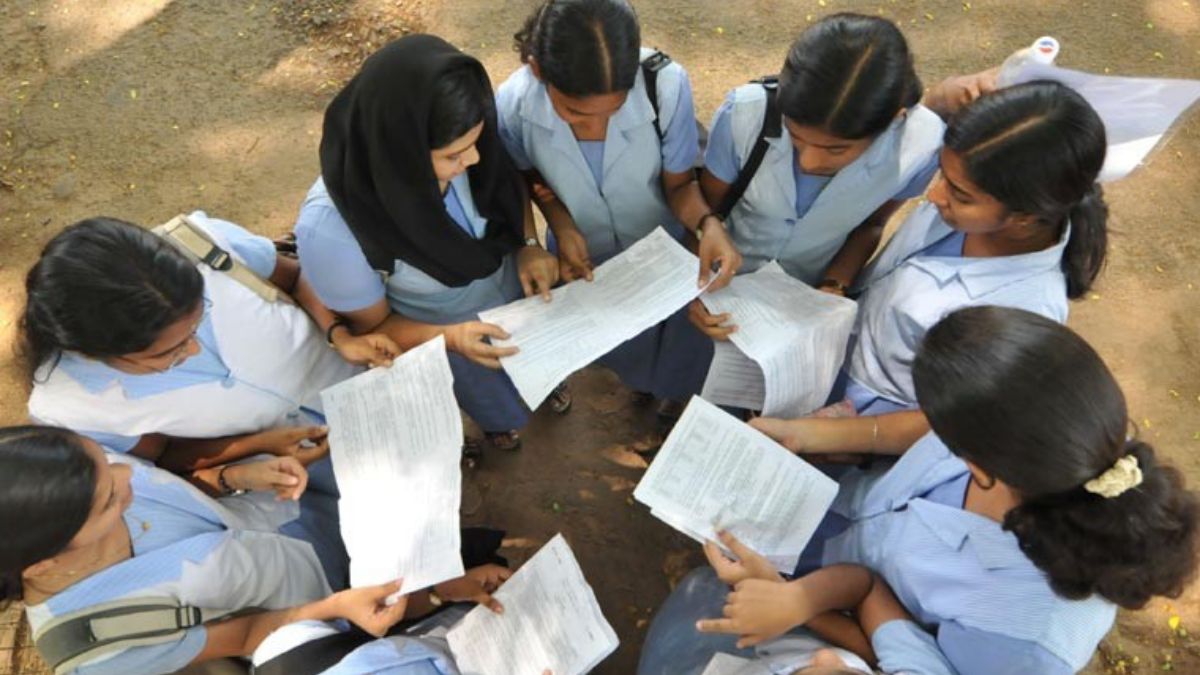
The scale of this gap becomes clearer when seen in the context of India’s young population. The National Health Mission estimates that India has 253 million adolescents between the ages of 10 and 19. This is a generation navigating physical, emotional and social change at speed. Their formal education offers some guidance on health and development, but fertility literacy has not received consistent space as part of broader health education.
Fertility literacy does not mean encouraging early parenthood. It does not mean placing pressure on young people to make life decisions before they are ready. It simply means helping them understand their bodies better. It means explaining, in a responsible and age-appropriate way, that reproductive health is influenced by biology, age, lifestyle, hormonal health and existing medical conditions.
India already has examples that show such education can be delivered thoughtfully. Udaan, an adolescent education programme implemented in Jharkhand since 2006, has reached over a million students and has been documented by the World Health Organisation (WHO) as a strong model of school-based adolescent education. Its experience shows that sensitive health topics can be taught responsibly when the content is age-appropriate, teachers are trained, and institutions support the process consistently.
This is the direction fertility literacy needs to take. The conversation should not be framed as a debate on values or personal choices. It should be seen as a health education need.
The urgency has grown alongside India’s changing demographic reality. According to the Sample Registration System Statistical Report 2024, India’s total fertility rate has declined to 1.9, below the replacement level of 2.1, with urban centres showing an even sharper decline. Delhi, for instance, has recorded a total fertility rate of 1.2. These numbers should not be read only as a population trend. They also reflect changing aspirations, work patterns, economic pressures and delayed family planning.
At the same time, there is another quieter reality. Many couples who want to have children face unexpected difficulty when they begin trying. The distinction between choosing fewer children and facing difficulty in conceiving is important. Both require a more informed public conversation on fertility, one that begins before couples reach the point of clinical intervention.
Fertility education also needs to go beyond reproduction alone. Conditions such as PMOS (earlier known as PCOS), thyroid disorders and diabetes can affect reproductive health. So can smoking, irregular sleep, prolonged stress, sedentary routines and untreated hormonal concerns. These connections often begin much before a person starts planning a family. Introducing them early is not about creating fear. It is about helping people understand how overall health and reproductive health are connected.
At an individual level, the consequences of limited fertility literacy are visible every day. Many couples arrive at consultations assuming that time is fully on their side. Many are unaware of how fertility changes through the thirties, or how long-standing health conditions may already be affecting their reproductive plans. This is rarely neglect. More often, it reflects what they were never taught.
Fertility education cannot change biology. But it can change how people engage with it. It can help individuals and couples seek timely evaluation, make informed decisions and approach parenthood with a better understanding of their own health.
India has the scale, experience and institutional base to address this gap meaningfully. The opportunity now is to integrate fertility literacy into existing adolescent and preventive health education efforts in a balanced, age-appropriate and science-led manner.
Doing so would help the next generation approach parenthood, whenever they choose it, with clarity, confidence and a deeper understanding of their health.
The author is the CEO of Birla Fertility & IVF.
The opinions expressed in this article are those of the author and do not purport to reflect the opinions or views of THE WEEK.
