



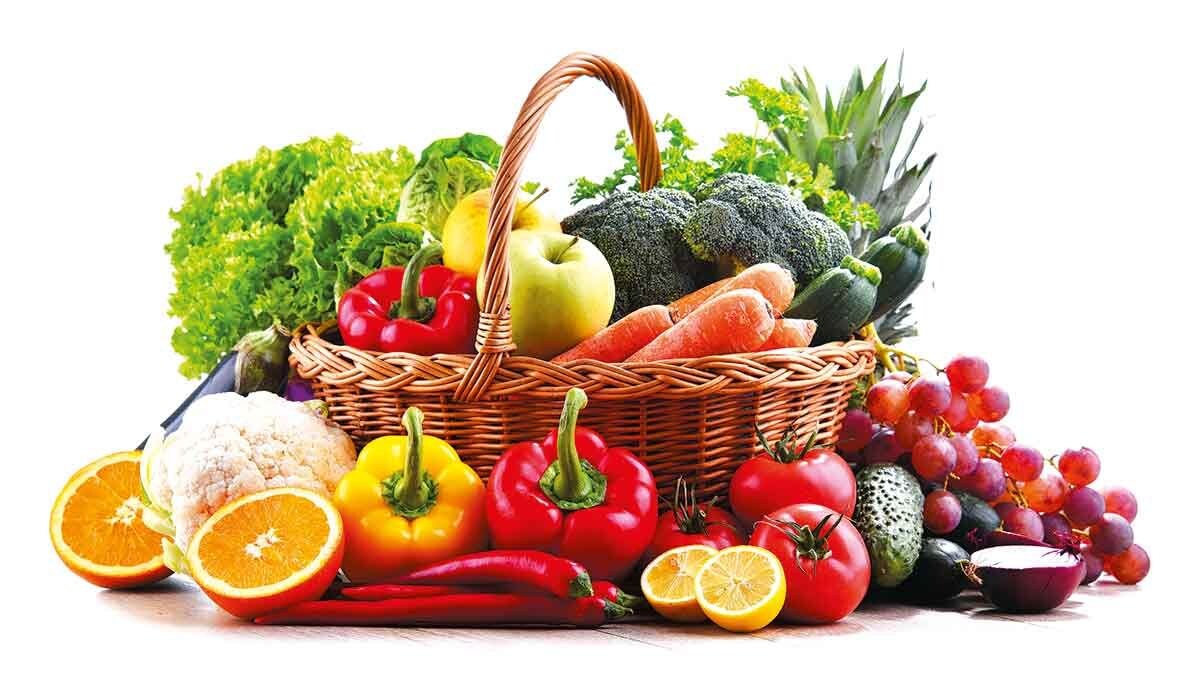
What should we eat to keep our brain sharp as we age? Can what you eat today influence how well your brain works 20 or 30 years from now? Increasing evidence suggests that it can.
There is no single food that can prevent Alzheimer’s disease or magically improve memory. But a healthy dietary pattern, combined with regular exercise, good sleep and control of blood pressure, diabetes and cholesterol, may help reduce the risk of cognitive decline and dementia. In fact, the World Health Organization's latest guidelines continue to emphasise a healthy diet as part of a broader strategy to protect brain health.
The good news for Indians is that a brain-healthy diet does not require expensive imported 'superfoods'. Many of the best foods are already found in our kitchens.
A balanced thali
The strongest evidence is not for individual nutrients or miracle foods, but for an overall dietary pattern. Diets such as the Mediterranean and MIND diets emphasise vegetables, fruits, legumes, whole grains, nuts, fish and healthy fats, while limiting highly processed foods and excessive saturated fats. A typical Indian diet can easily be adapted to these principles.
1. Fill your plate with vegetables, especially green leafy vegetables
Spinach (palak), methi, amaranth, sarson and other leafy vegetables provide folate, vitamin K, carotenoids and several antioxidants. Try to include a generous serving of vegetables at both lunch and dinner, with leafy greens several times a week. Don't forget colorful vegetables too: carrots, tomatoes, beetroot, capsicum, pumpkin and beans all add variety and valuable nutrients.
2. Fruits provide fibre and a wide range of beneficial plant compounds. Berries are often called 'brain foods' because they are rich in flavonoids, but Indians need not depend on expensive imported blueberries. Choose locally available fruits such as guava, jamun, pomegranate, oranges & sweet lime, grapes, apples, papaya, seasonal berries and other colourful fruits. The best fruit for your brain is usually the fruit you can afford, enjoy and eat regularly. Whole fruit is preferable to fruit juice because it retains fibre and is less likely to cause rapid glucose spikes.
3. If there is one group of foods worth adding to the daily diet, it is nuts. Almonds, walnuts, pistachios and peanuts provide healthy unsaturated fats, protein, fibre and several micronutrients. Walnuts are particularly rich in alpha-linolenic acid, a plant omega-3 fatty acid. A practical target is a small handful of unsalted nuts most days. You don't need expensive imported nuts. A mixture of almonds, walnuts and peanuts can work well.
Remember, however, that nuts are calorie-dense. A handful, not a large bowl, is enough.
4. Rice and wheat are not 'bad for the brain'. The problem is often refined carbohydrates, excessive portions and lack of dietary diversity. Whenever possible, include more whole wheat, oats, millets such as ragi, jowar and bajra, brown or less-polished rice, whole grains, legumes and pulses. Dal, rajma, chole, lobia and other pulses deserve special attention. They provide protein, fibre and important micronutrients and should be regular members of a brain-healthy Indian thali.
5. Fish, especially oily fish, provide omega-3 fatty acids, including DHA and EPA, which are important components of brain cell membranes.
For non-vegetarians, fish can be included one or two times a week, depending on local availability and preference. For vegetarians, walnuts, flaxseeds and chia seeds provide alpha-linolenic acid. However, conversion of plant omega-3 to DHA and EPA is limited.
What about omega-3 supplements?
Here is an important myth to bust:
MYTH: Everyone should take omega-3 capsules to prevent dementia.
Not true.
Current WHO guidance does not recommend omega-3 supplements for preventing cognitive decline or dementia in people without a diagnosed deficiency or another specific indication, because convincing evidence of benefit is lacking.
Food should be the first choice. Supplements are needed only when there is a specific reason.
6. Eggs are a good source of protein, vitamin B12 and choline. Choline is involved in cell membranes and in producing acetylcholine, an important neurotransmitter. But this does not mean that everyone needs choline supplements. For most healthy people, a balanced diet containing eggs and other nutritious foods should provide adequate nutrition.
What about vitamin B12 and vitamin D?
Vitamin B12 deficiency can cause cognitive problems and nerve damage. This is particularly relevant in India because deficiency is relatively common, especially among strict vegetarians and older adults. But again, don't take B12 simply because it is called a 'brain vitamin'. Check and treat deficiency or take supplements when dietary intake or medical circumstances justify it.
The same principle applies to vitamin D and multivitamins. Correcting a deficiency can improve health. Taking extra vitamins when you are not deficient has not been proven to prevent dementia. WHO's recent guidance specifically does not recommend routine vitamin, omega-3 or multivitamin supplementation solely to prevent cognitive decline in people without deficiency.
Foods your brain would prefer you eat less often
No food needs to be labelled permanently 'forbidden'. But the following should be occasional rather than everyday foods:
• Sugary drinks
• Sweets and desserts in excess
• Ultra-processed packaged foods
• Deep-fried snacks
• Processed meats
• Foods high in trans fats
• Excessive refined carbohydrates
• Alcohol
These foods can contribute to obesity, diabetes, hypertension and abnormal cholesterol, all of which can eventually harm the brain.
The biggest dietary myth: “There is a brain superfood”
There isn't.
No amount of blueberries, walnuts, turmeric or fish oil can compensate for uncontrolled hypertension, diabetes, smoking, physical inactivity, chronic sleep deprivation and obesity. What is good for your heart is usually good for your brain too.
A simple Indian brain-healthy day
Breakfast: Eggs or sprouts + whole-grain roti/oats + fruit
Lunch: Roti or rice + dal/rajma/chole + plenty of vegetables + curd + salad
Snack: A handful of unsalted nuts + fruit
Dinner: Whole grains + vegetables + pulses or fish/other healthy protein
The exact menu can vary according to culture, budget and preference.
You don't need exotic foods or expensive supplements to nourish your brain. Eat more vegetables, fruits, pulses, whole grains and nuts. Include healthy protein and fish if you eat it. Limit ultra-processed foods and excess sugar. Correct genuine nutritional deficiencies, but don't expect supplements to replace a healthy diet. And remember: the best brain diet is not a short-term diet. It is a way of eating that you can follow for decades.
The opinions expressed in this article are those of the author and do not purport to reflect the opinions or views of THE WEEK.
