



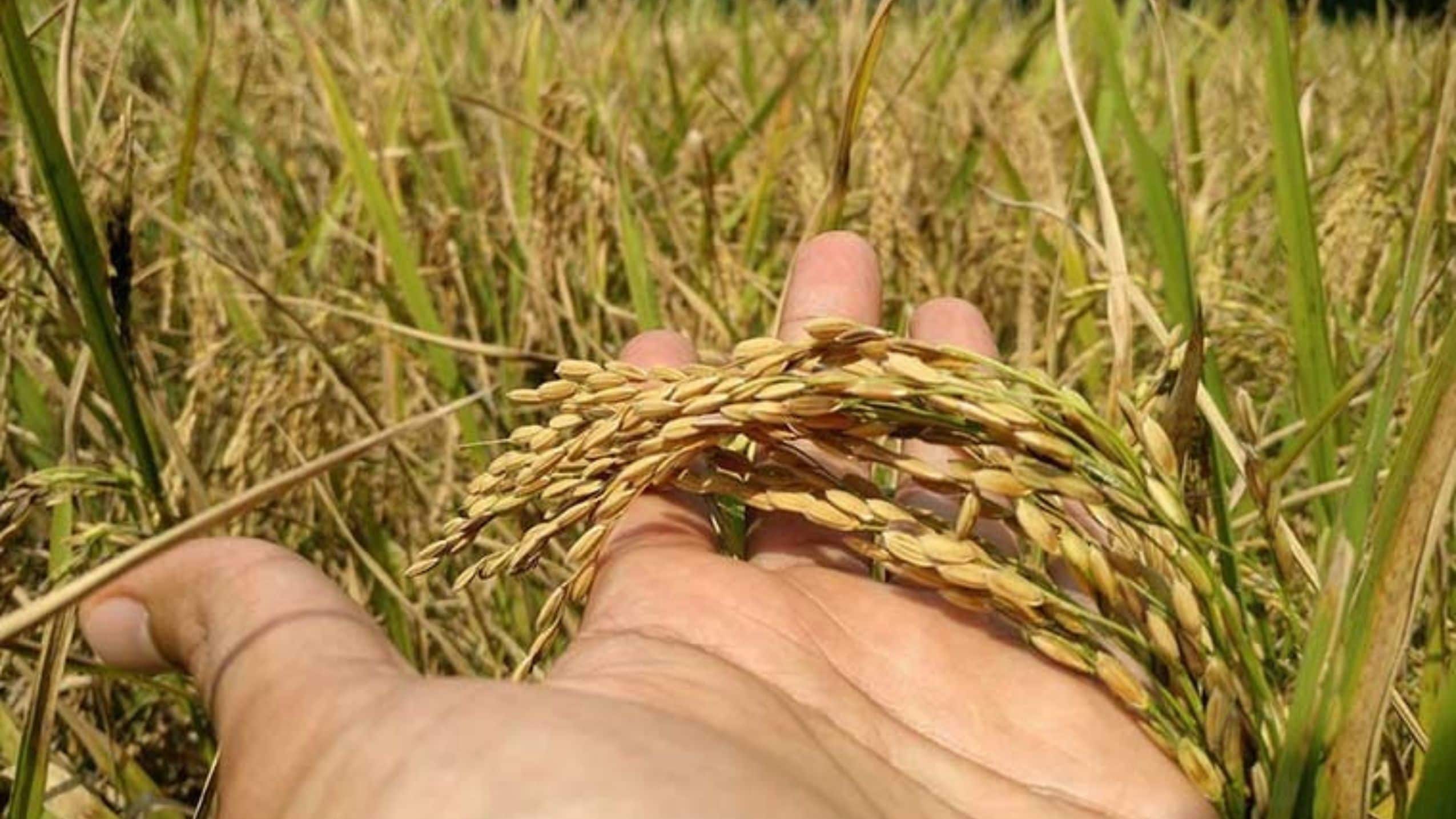
CLAIM:
The viral video claims that consumers can identify "plastic" or fake rice using simple household tests. It suggests that rice smelling like plastic when burned, floating in water, or melting in hot oil are signs that the rice is adulterated or unsafe to eat.
FACT:
False. There is no scientific evidence that burning rice, placing it in water, or heating it in hot oil can reliably identify "plastic" or adulterated rice. Research and expert opinion show that confirming rice adulteration requires validated laboratory techniques, and these household tests cannot accurately determine whether rice is genuine or fake.
Consumers should purchase rice from trusted brands or authorised retailers, and if they suspect adulteration, report it to the relevant food safety authorities rather than relying on unverified home tests.
Food adulteration has become a growing public concern in recent years, with social media flooded with videos claiming to show simple at-home methods for detecting fake or contaminated food products. From honey and milk to spices and rice, viral posts often suggest quick kitchen tests that promise to reveal whether everyday foods are genuine or adulterated. While some of these demonstrations appear convincing, many are not backed by scientific evidence and can mislead consumers.
In a recent video, it is claimed that people can determine whether the rice they eat is "plastic" by performing a series of household tests. The speaker asks viewers, "The rice you eat every day, is it plastic? Check it carefully," before recommending three methods. He suggests burning a few grains and says, "If you smell the smell of plastic, then assume that the rice is fake."
He also claims that rice floating in water "can be a problem" and advises putting rice into hot oil, stating that "if the rice starts melting, then assume that something is wrong."
Although the speaker acknowledges that "these tests are not always 100% true," he warns that "it is risky to ignore it" and urges viewers to check their rice before eating it.
Can you identify fake rice using water, fire and hot oil tests?
Available evidence does not support the claim that burning rice, placing it in water or heating it in oil are reliable ways to identify "plastic" or adulterated rice. Scientific studies show that confirming rice adulteration requires specialised laboratory techniques, and there is no validated household test that can accurately determine whether rice is fake.
An earlier review on rice authentication found that researchers have explored numerous analytical, enzymatic, genomic and sensory methods to detect rice adulteration. The authors noted that "a high number of analytical, enzymic, and genomic analyses (instrumental) in conjunction with sensory analysis were applied" to identify deliberate and accidental adulteration, although "not always very successfully." They also reported that combining these methods with multivariate analysis improves the ability to distinguish rice varieties and origins, underscoring that rice authentication relies on scientific testing rather than simple home experiments.
A more recent 2021 review echoed this conclusion, highlighting the complexity of rice fraud and the wide range of methods needed to detect it. According to the authors, fraudulent practices can involve "botanical and geographical origin, adulteration/substitution, ageing, cultivation practices, aroma/flavour and amounts of microelements." The review noted that while spectroscopic techniques are useful for rapid screening and DNA-based assays are effective for verifying the botanical origin of rice, "there is at present, no single analytical tool capable of providing an answer to all rice authentication problems," making it necessary to combine multiple scientific approaches.
Further evidence comes from a 2023 study that specifically investigated the detection of plastic rice adulteration. Researchers compared genuine and plastic-adulterated rice using Fourier Transform Infrared Spectroscopy (FTIR), Scanning Electron Microscopy (SEM) and Thermogravimetric Analysis (TGA). They wrote, "Attempts have been made to identify the presence of plastic rice in adulterated raw and cooked rice by comparing the compositional and morphological properties of fake rice and real rice using Fourier transform infrared spectroscopy (FTIR), scanning electron microscopy (SEM) and thermogravimetric analysis (TGA)." The researchers concluded that these laboratory techniques "can be used as a scientific tool to detect and identify the presence of plastic rice in adulterated raw and cooked rice."
Concerns about so-called "plastic rice" have also been examined by the European Commission's Joint Research Centre (JRC). In a factsheet, the JRC noted that rumours about plastic rice circulated widely across parts of Asia and Africa, alongside viral videos showing rice burning, bouncing or behaving unusually after cooking. However, it stated that "official controls could not confirm the presence of plastic rice."
The JRC also reviewed several of the viral identification methods and found that they lack scientific support. It cited Ghana's Food and Drugs Authority (FDA), which explained that plastic "can neither absorb nor mix with water" and does not melt at 100°C, the temperature at which rice is normally cooked. The authority also noted that rice bouncing after cooking is explained by its natural starch composition, particularly the balance between amylose and amylopectin, rather than the presence of plastic. Similarly, Senegal's Food Technology Institute reported that changes in starch composition during storage can make cooked rice sticky and capable of bouncing when dried. Overall, the JRC concluded that viral demonstrations such as burning or bouncing rice should not be considered reliable evidence of plastic rice.
Do experts agree?
Ms Edwina Raj, Head of Services - Clinical Nutrition & Dietetics, Aster CMI Hospital, Bengaluru, said the household tests shown in the viral video are not reliable ways to identify fake or adulterated rice.
“There is no strong scientific evidence showing that burning rice, placing it in water, or heating it in hot oil can accurately detect plastic or other adulterants,”
She explained that rice is composed largely of starch, which can produce unusual smells, smoke, or changes in appearance when exposed to high heat. According to her, these reactions can occur even in genuine rice and should not be interpreted as proof of adulteration.
“Relying on such tests may cause unnecessary fear or confusion. Laboratory analysis using validated scientific methods is the only dependable way to confirm whether rice has been adulterated.”
Addressing the claim that a plastic-like smell indicates fake rice, Raj said the odour can result from the breakdown of starch, proteins, and natural carbohydrates during burning.
“This is a normal reaction during burning and does not prove the presence of plastic,” she said.
She also noted that floating in water is not a reliable indicator of adulteration. Some grains may float because they are lighter, contain tiny air pockets, or have a lower density due to drying or polishing. Similarly, rice placed in hot oil may puff, crack, or change shape because of trapped moisture and the expansion of starch.
“These natural physical changes are common and should not be used as evidence that the rice is fake or unsafe,” she added.
Raj further said that food safety authorities depend on laboratory testing rather than household experiments to detect adulteration.
“Samples are examined using validated analytical methods such as microscopy, spectroscopy, chromatography, and polymer testing when the presence of plastic is suspected. These tests provide accurate and reproducible results that can be verified,” she explained.
For consumers concerned about rice quality, she recommended purchasing from trusted brands or authorised retailers, checking packaging details carefully, and avoiding products with excessive dust, visible foreign particles, or signs of moisture damage.
“If there are genuine concerns about the quality or safety of the rice, it is better to report the product to the relevant food safety authority rather than rely on social media claims or unverified home tests,”
This story is done in collaboration with First Check, which is the health journalism vertical of DataLEADS
