



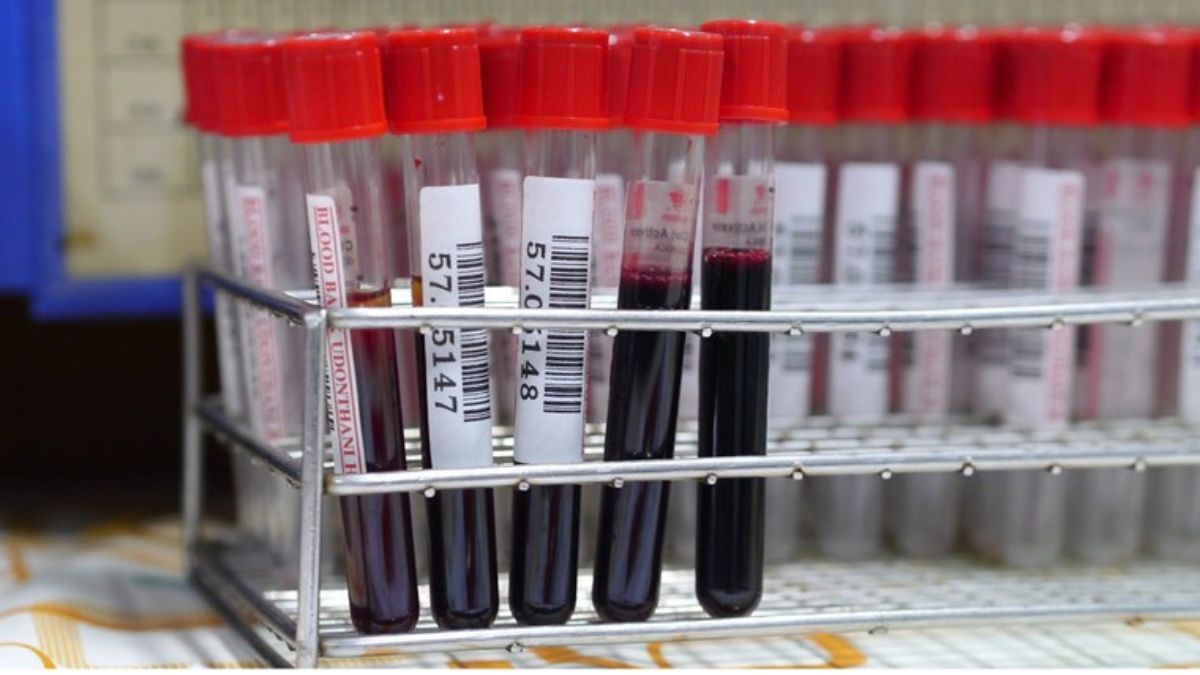
Every year, millions of Indians undergo routine health check-ups that include blood sugar, cholesterol, liver function tests, kidney function tests, and an ECG. These tests are undoubtedly important. However, modern medical research has identified a few additional tests that can provide valuable insight into your future health, especially your risk of diabetes and heart disease.
These tests are not recommended for everyone, nor should they replace routine health screening. Instead, they can be useful in selected individuals after discussion with a doctor.
Here are five tests worth knowing about
Fasting Serum Insulin: Detecting diabetes before diabetes
Most people are familiar with fasting blood sugar and HbA1c (glycosylated hemoglobin). However, long before these become abnormal, many individuals develop insulin resistance, a condition in which the body's cells become less responsive to insulin. To compensate, the pancreas produces more insulin. As a result, fasting insulin levels may rise years before blood sugar does.
Why does this matter?
Insulin resistance is associated with obesity, fatty liver disease, polyendocrine metabolic ovarian syndrome (PMOS), high triglycerides, and an increased future risk of type 2 diabetes and cardiovascular disease.
A fasting insulin level, particularly when interpreted alongside fasting glucose (for example, using the HOMA-IR index), can provide additional information in selected individuals. However, insulin assays are not standardised across laboratories, and this test is not recommended for routine screening of the general population. It may be useful in people who are overweight, have a strong family history of diabetes, PMOS, or features of metabolic syndrome.
Apolipoprotein B (ApoB): Looking beyond LDL cholesterol
Most people know their LDL (bad cholesterol), but fewer have heard of Apolipoprotein B (ApoB). Every atherogenic lipoprotein particle, including LDL, VLDL, IDL and lipoprotein(a), contains one ApoB molecule.
Measuring ApoB therefore provides an estimate of the number of cholesterol-carrying particles that can enter artery walls and contribute to plaque formation. Two people may have the same LDL cholesterol level but very different ApoB levels, and therefore different cardiovascular risk.
Recent studies suggest that ApoB predicts heart attacks and strokes better than LDL cholesterol in many situations, especially in people with diabetes, obesity, metabolic syndrome or elevated triglycerides. For individuals at increased cardiovascular risk, many experts now recommend measuring ApoB at least once.
High-Sensitivity C-Reactive Protein (hs-CRP): Measuring hidden inflammation
Heart disease is not caused by cholesterol alone. Inflammation also plays a crucial role. High-sensitivity CRP (hs-CRP) measures low-grade inflammation in the body. Persistently elevated hs-CRP levels are associated with a higher risk of heart attack and stroke, even when cholesterol levels are normal. However, hs-CRP should not be measured during infections, fever or recent injury, as these conditions temporarily raise the level.
Unlike cholesterol, there is no specific medication approved solely to lower hs-CRP. The good news is that many healthy lifestyle measures, such as regular exercise, weight loss, smoking cessation, healthy diet and adequate sleep, reduce inflammation as well as cardiovascular risk. Statins also lower hs-CRP in addition to reducing LDL cholesterol.
Lipoprotein(a): The cholesterol test you need only once
Unlike LDL cholesterol, lipoprotein(a), or Lp(a), is largely determined by your genes. If your Lp(a) level is high, it usually remains high throughout life. People with elevated Lp(a) have a higher lifetime risk of heart attack, stroke and aortic valve disease.
Current international guidelines recommend measuring Lp(a) at least once in adulthood, particularly in people with a family history of premature heart disease, very high cholesterol or recurrent cardiovascular events despite good LDL control.
Although there are currently no widely approved drugs specifically targeting Lp(a), several promising therapies are in advanced clinical trials. Knowing that your Lp(a) is elevated allows doctors to control all other risk factors much more aggressively, including LDL cholesterol, blood pressure, diabetes and smoking.
CT Coronary Artery Calcium (CAC) Score: Detecting silent heart disease
Many heart attacks occur in people who previously felt perfectly healthy. A CT Coronary Artery Calcium (CAC) scan detects calcium deposits within the coronary arteries, indicating the presence of atherosclerosis before symptoms appear. The scan takes only a few minutes, requires no injections and involves a relatively low radiation dose.
A CAC score of zero suggests a very low short-term risk of heart attack in many individuals, while higher scores indicate increasing risk and may influence decisions about starting statins or intensifying preventive treatment.
It is not recommended for everyone. It is most useful for adults at intermediate cardiovascular risk, where the decision about preventive medication is uncertain.
Should everyone take these tests?
No. Good medicine is not about ordering more tests; it is about ordering the right test for the right person. These investigations should be considered only after discussion with your doctor, considering your age, family history, symptoms and overall cardiovascular risk.
Routine health check-ups remain the foundation of preventive care. However, newer tests such as fasting insulin, ApoB, hs-CRP, lipoprotein(a) and coronary artery calcium scoring can provide valuable additional information in selected individuals.
Remember, the purpose of these tests is not to create anxiety, but to identify risk early, when lifestyle changes and appropriate treatment can make the greatest difference.
The opinions expressed in this article are those of the author and do not purport to reflect the opinions or views of THE WEEK.
