



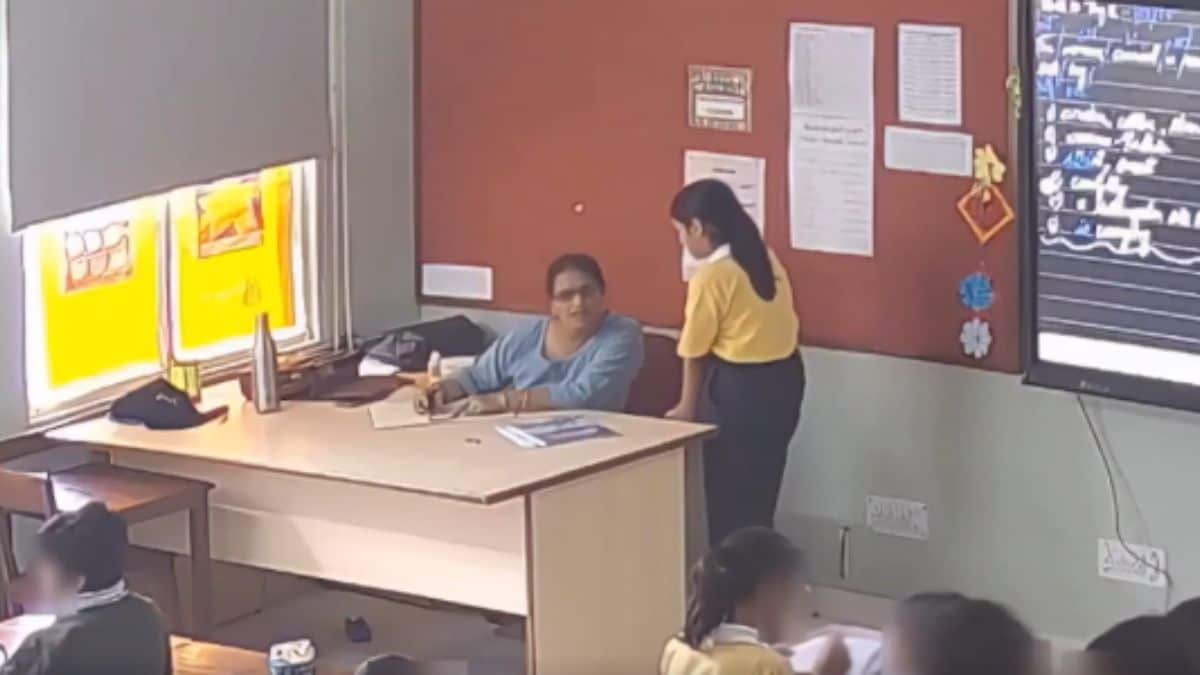
The tragic death of 9-year-old Amaira Meena in Jaipur on November 1 last year has once again sparked concerns about the growing mental health crisis among students in India. Her family has released the CCTV footage from her classroom, showing her last moments, where Amaira looked visibly disturbed, before she jumped from the fourth floor of the school.
The heartbreaking incident has prompted widespread discussions on academic pressure, bullying, emotional well-being, parental expectations, and the urgent need to prioritise mental health in schools and colleges.
While authorities continue to investigate the circumstances surrounding the case, mental health experts say the incident serves as a reminder that emotional distress among students should never be ignored.
Why is student mental health important?
Student mental health has become an increasingly important public health issue in recent years. Experts point to several factors that contribute to emotional stress among young people, including academic competition, examination pressure, fear of failure, social media influence, bullying, loneliness, and uncertainty about the future. Many students also struggle silently due to the stigma associated with seeking psychological help.
Signs to look out for:
Mental health professionals emphasise that warning signs such as persistent sadness, withdrawal from family and friends, sudden changes in behaviour, loss of interest in daily activities, sleep disturbances, anxiety, and feelings of hopelessness among children should be noticed and taken seriously. Early intervention through counselling, open conversations, and professional support can make a significant difference. Creating a safe environment where children feel comfortable discussing their fears and challenges without worrying about criticism or punishment is also important.
Educational institutions also have an important responsibility in promoting student mental health. Schools and colleges could conduct regular mental health awareness programmes, provide access to trained counsellors, conduct stress management workshops, and encourage peer support initiatives. Teachers, too, should be trained to recognise signs of emotional distress, which can help students receive timely assistance.
Open communication between students, parents, teachers, and mental health professionals is essential to building a healthier learning environment.
Dr Ruchi Gupta, consultant psychiatrist at Rainbow Children’s Hospital, Bengaluru, says bullying among children can happen in settings like classrooms, playgrounds, transport, washrooms, online platforms like social media, messaging apps, and even in gaming spaces.
Not wanting to go to school, a decline in academic performance, complaining about classmates, unexplained bruises, torn clothes, damaged books, or missing lunch boxes, money, or belongings are some of the signs for parents and teachers to look out for.
Explaining further, Dr Gupta says such children may also face mood-related issues like sadness, irritability, anger, crying spells, or social withdrawal and isolation. For online bullying, signs can include secretive device use, switching screens quickly, avoiding discussion about online activity, and late-night phone use. She also mentioned that children who bully others may show aggression, frequent fights, unexplained money or new belongings, and problems with authority and discipline.
Please consult a mental health expert if you or someone you know is experiencing emotional distress.
