



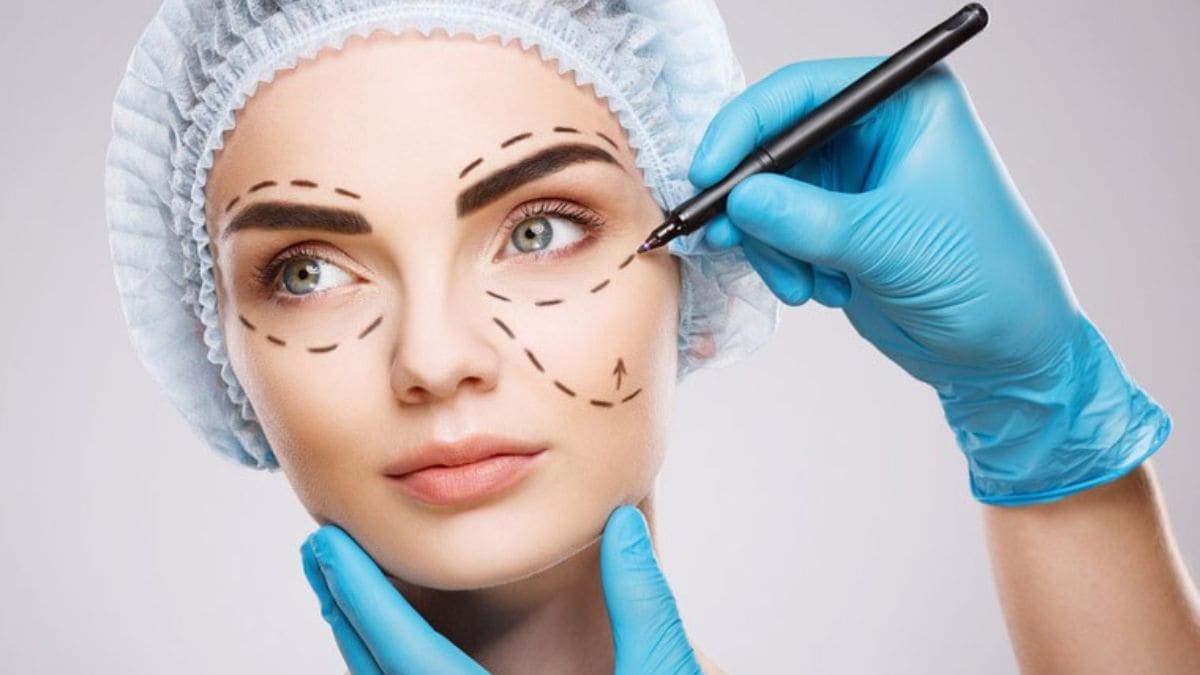
Most people, when they hear 'plastic surgery', think of cosmetic surgery, of making people look better. But this popular view explains only a small part of the story. Indeed, plastic and reconstructive surgery is one of medicine’s most transformative specialties, restoring function, appearance and confidence to people whose lives have been altered by injury, disease or birth defects.
At the heart of reconstructive surgery, it is about helping people reclaim what has been lost. It is the difference between existing and living.
Why is reconstructive surgery important?
Let’s consider that when somebody has survived a bad burn injury, the immediate danger may be over, but the healing process often leaves a great deal of scarring. Burn scars can become get fibrous over time, limiting your movement and making it difficult to do things in daily life. Something as simple as turning the neck, bending an elbow, or holding a spoon can become a challenge.
Reconstructive surgery plays an important role here. Plastic surgeons can restore mobility and improve skin coverage using skin grafting, tissue expansion and scar release procedures. These interventions are not simply cosmetic. They help people to regain independence, go back to work and fully take part in everyday life. Surgery offers many burn survivors a chance to get back to normal.
Reconstructive surgery has equally important effects for children born with congenital conditions. Babies born with a cleft lip or a cleft palate may have trouble feeding, developing speech, and being accepted socially. Early surgical correction can change a child’s future dramatically, allowing them to eat, speak and grow with confidence.
Reconstructive procedures can also be used to correct conditions affecting the skull, ears, hands or limbs. Early intervention helps kids not only to overcome physical challenges, but also to better fit into the school and social environment. In many cases, surgery prevents lifelong disability and creates opportunities that might otherwise be limited.
A basic principle of this field is that form and function are inseparable. When surgeons rebuild a jaw after cancer surgery, they’re not just restoring appearance. They’re restoring a person’s ability to speak and eat again. A breast reconstruction after mastectomy can be very important for emotional recovery and self-image. Each procedure is designed with the understanding that physical restoration and quality of life are inseparable.
Perhaps the most astonishing thing about reconstructive surgery is that it can cure unseen wounds. Accidents, illness or birth defects often cause physical differences which affect self-esteem, mental well-being and social confidence. Reconstructive surgery restores function and appearance, helping people move on from their medical condition and get back to life on their own terms.
It is the most humane form of medicine. It reminds us that healing is not only about saving lives. It is about restoring dignity, possibility and hope for the future.
(The author is a senior consultant, plastic & reconstructive surgeon, Manipal Hospital, Hebbal)
The opinions expressed in this article are those of the author and do not purport to reflect the opinions or views of THE WEEK.
