



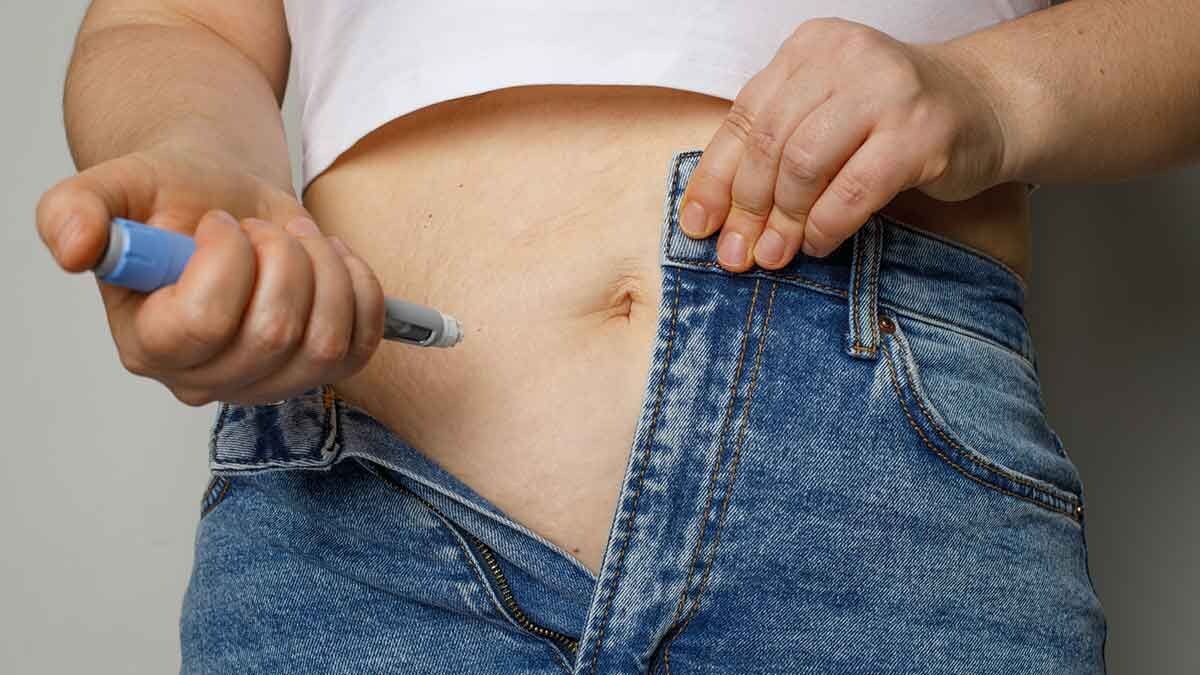
Most weeks, there’s a family. Teenager in the chair, parents on the other side of my desk, and somewhere in the middle of the conversation comes the question I’ve been hearing a lot more of lately: “Doctor, can my child take the injection?”
They mean semaglutide. Wegovy, specifically — the once-weekly GLP-1 receptor agonist that’s changed how we think about adult obesity. And it’s not a faraway question anymore. Wegovy launched in India in 2025. The patent expiry in early 2026 led to generic versions at a fraction of the price. The drug is accessible now, which means the conversation is happening whether we’re ready for it or not.
First, let’s stop calling it a willpower problem.
I want to say this plainly because it still needs saying: obesity in a teenager is not laziness, and it’s not parenting failure. It’s a metabolic disease. Genetics load the gun. Urban food environments, changing sleep patterns, exam stress, reduced movement — these pull the trigger. A fourteen-year-old with a BMI in the 99th percentile isn’t there because she didn’t try hard enough.
Why does this matter here? Because the question of whether medication is appropriate only makes sense once we’ve accepted that what we’re treating is serious and, in many cases, not responsive to lifestyle change alone. Some of my teenage patients and their families have spent years trying. Nutrition plans, activity routines, the works. And the weight doesn’t shift — or shifts and comes back. For those kids, this isn’t a shortcut. It’s medicine.
Insights for parents:
→ If your teenager has true obesity (not just overweight) and sustained lifestyle efforts haven’t worked, asking about medication isn’t giving up. It’s the right next question.
What semaglutide actually does — and what it can’t
The drug mimics a hormone called GLP-1, which tells the brain you’re full and slows down how fast your stomach empties. Less hunger, less eating. Simple in theory, genuinely effective in practice. The STEP TEENS trial — the major clinical study in adolescents — showed a 16.1% reduction in BMI over 68 weeks when used alongside lifestyle support. Those are numbers that made researchers sit up.
But here’s what I tell every family: the drug quiets appetite. It doesn’t teach anyone how to eat. It doesn’t touch the emotional side of food, the stress-eating at 11 pm, the skipping meals and then binge-eating — patterns that a lot of teenagers I see are already stuck in. Every approved protocol worldwide mandates dietary counselling and physical activity support alongside the medication. That’s not fine print. That’s the actual treatment. A prescription without that structure around it isn’t really a treatment plan.
Insights for parents:
→ Semaglutide only works as part of a package. If a doctor prescribes it without talking about food support, activity, and regular review — that’s worth pushing back on.
Where India’s regulations actually stand right now
This is the part I want parents, especially, to hear, because there’s some confusion out there. CDSCO — India’s drug regulator — has approved semaglutide injection for adults with obesity. The formal approval pathway for adolescent use in India is still developing. The US FDA cleared Wegovy for teens aged twelve and above back in 2022; India hasn’t yet established an equivalent publicly notified adolescent indication.
Under the NMC’s Professional Conduct Regulations, a doctor who prescribes outside an established indication takes on specific obligations — documented clinical necessity, informed consent from both the teenager and their guardian, evidence that other options were considered and found inadequate. You’re entitled to ask for all of this. A good specialist will offer it without being asked. If they don’t, that’s a red flag.
Insights for parents:
→ Ask your doctor directly: What is the current regulatory status of this drug for teenagers in India? What other treatments were ruled out, and why?
→ You have the right to documented consent and a clear clinical rationale. Not a vague ‘it’ll help’.
Cheaper doesn’t mean appropriate
With generics now in the market at sometimes 70-80% below original pricing, the access question has shifted. For adults who need this drug and couldn’t afford it —genuinely good news. For teenagers? It’s made things more complicated.
What I’m seeing — and this is an observation, not a study — is more enquiries from families who’ve read about it online, or whose teenagers have seen it discussed somewhere, and who want to try it before getting a proper evaluation. CDSCO has been explicit: GLP-1 therapy is a physician-supervised treatment. That hasn’t changed because the price dropped. A thirteen-year-old who skips meals and already has anxious thoughts about her body is not a candidate for this drug. She needs a psychologist and a dietitian, not an injection.
Insights for parents:
→ Price dropping doesn’t change clinical eligibility. A specialist evaluation — not just a GP visit under pressure — is the minimum for a teenager.
→ If your teenager is asking about ‘the weight-loss injection they saw online,’ open that conversation. Then take it to a specialist, not a pharmacy.
What we genuinely don’t know yet
I’ll be honest: 68 weeks of trial data is good. It’s not a decade. We don’t yet know what sustained GLP-1 use through puberty does to bone density, to hormonal development, or — and this one keeps me up a bit — to the psychological relationship a young person builds with hunger and fullness during these years.
Adolescence is already a fraught time for body image. We’re adding a drug that fundamentally changes appetite signals. The long-term picture there isn’t fully written.
I’m not saying don’t use it. I’m saying: treat it as an ongoing decision, not a done one. Every few months, you revisit. Is it still needed? Is it still working? What’s the plan if we taper it?
Insights for parents:
→ Ask about the monitoring plan before starting: how often will your teenager be reviewed, and what does stopping or tapering look like?
The honest answer
Weight-loss drugs reaching teenagers isn’t the problem. For the right teenager —severe obesity, real comorbidities, proper evaluation, specialist oversight, full lifestyle support — they can be genuinely the right call. The problem is the gap between that version and what actually happens when the drug is cheap, visible, and easy to obtain.
India’s adolescent regulatory framework for weight loss injections is still catching up. The generics market arrived faster than the guardrails did. In that gap, families need to ask harder questions, specialists need to hold a higher standard, and all of us — clinicians, parents, and teenagers — need to hold onto the idea that a serious drug for a serious condition deserves more than a quick prescription.
The author is a bariatric surgeon & weight loss specialist. She is also the co-founder of The Good Weight.
The opinions expressed in this article are those of the author and do not purport to reflect the opinions or views of THE WEEK.
