



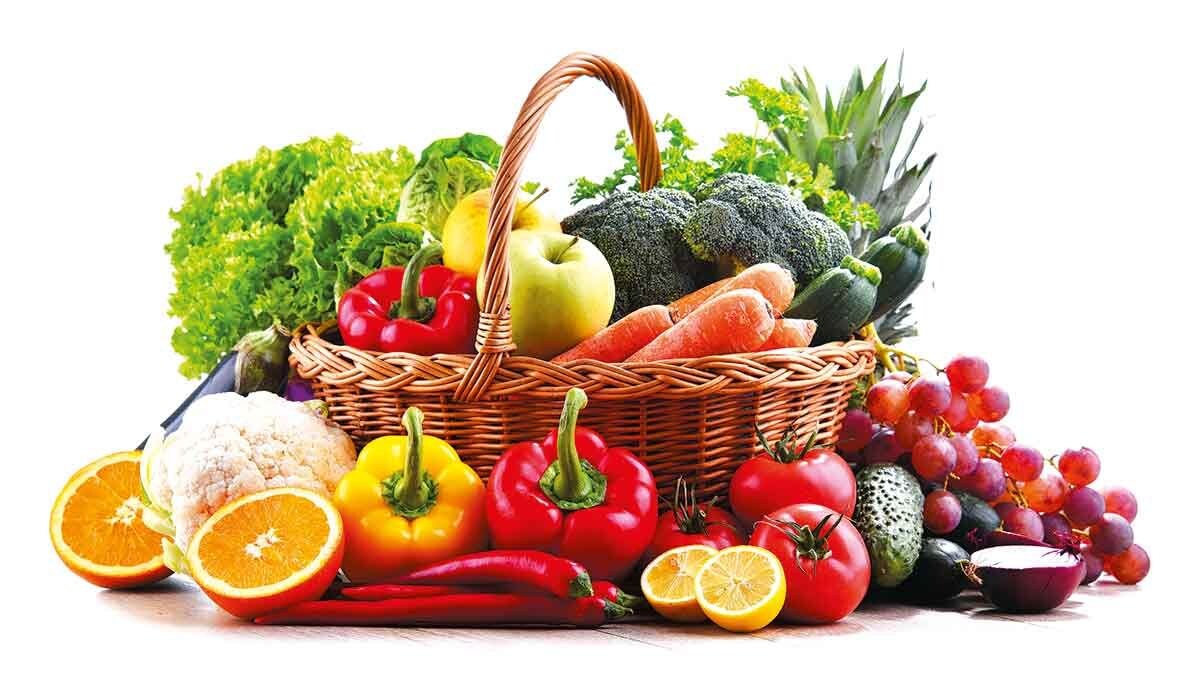
While the monsoon season can be an exciting time to get outside and enjoy nature again after the hot months of summer, continuous rainfall can also create conditions that increase the chances of getting sick.
The combination of changing seasons, high humidity levels, and warmer temperatures can all contribute to a decline in the body’s defence against illness. Adopting simple, nutritious habits can help strengthen the immune system, avoid common illnesses, and remain energised without relying on unnecessary supplements.
Hydration and safe fluids
Staying hydrated is essential for both the mucus membranes and the immune system to perform properly. During the rainy season, it is easier for water to be contaminated. Hence, it is critical to drink only safe, boiled or treated water. Warm liquids such as soup, green tea, and broth not only provide relief from a sore throat but may also help to lower the risk of respiratory illnesses. Make sure to use treated or bottled water to make drinks and to freeze ice and avoid cold drinks.
Foods that support immunity
A balanced intake of vitamins and minerals supports immune cells such as:
- Vitamin C sources like citrus fruits, amla, guava, and bell peppers.
- Vitamin A and carotenoids like carrots, leafy greens, and sweet potatoes.
- Zinc-rich foods: legumes, nuts, seeds, and whole grains.
These foods can be incorporated into everyday meals like salads, stir fries, lentil soups and help maintain immune readiness without excessive reliance on high-dose supplements.
Gut health and probiotics
Food like fruits and vegetables, meat and dairy products that spoil during the monsoon often cause diarrhoea, dysentery or other digestive problems.
As a result, you may have weakened overall immunity. Therefore, it is important to eat meals made from freshly cooked food and properly store leftovers. Some good natural sources of probiotics, like curds, idlis, dosa, and buttermilk, are beneficial for keeping a healthy gut microbiome, improving your ability to resist gastrointestinal infections, and helping to absorb nutrients.
Balanced macronutrients and energy
A balanced diet high in quality protein, healthy fats, and complex carbohydrates will supply the body with the energy needed to function optimally while maintaining a strong immune system by producing enough immune cells.
- Lean sources of protein should be consumed regularly, such as fish, chicken, or turkey, legumes; moderate amounts of healthy fats, such as nuts/seeds or oils that are used sparingly, should be consumed.
- Whole grains (millet, brown rice) should be your primary source of carbohydrates.
- Do not eat an excessive amount of fried/heavy foods during the rainy season since they can contribute to digestive upset and inflammation.
Practical tips and moderation
It is easier to mitigate risk through some fundamental practices, which include washing fruits and vegetables thoroughly, avoiding consuming raw street food, reheating food to steaming hot temperature before consumption, and eating foods from their natural growing season. Moderately including anti-inflammatory and mild antibacterial spices like turmeric, garlic and ginger while cooking is also recommended.
A diet prepared for monsoon season should focus on ensuring that food is safe, while ensuring that the body has enough fluids and nutrient-rich, easily digestible foods will help support the body's natural defences. Freshly prepared foods, safe drinking water, probiotics, and seasonal fruits/vegetables are the most important foods to eat.
Fried foods and heavier meals should be avoided. Practising good food safety, moderate use of spices that support the immune system, and eating a balanced diet will greatly help to reduce illness during the monsoon season.
(The author is a nutritionist at Apollo Spectra Hospital, Chennai)
The opinions expressed in this article are those of the author and do not purport to reflect the opinions or views of THE WEEK.
