



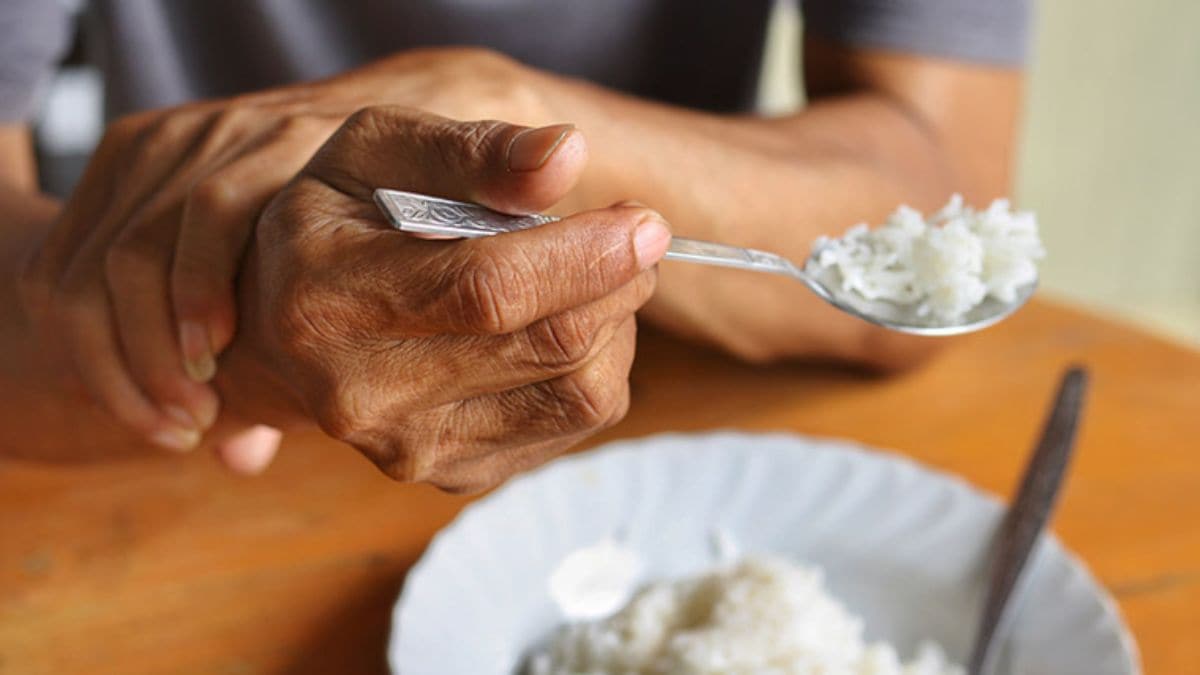
Parkinson's disease is commonly perceived as a health issue that only impacts elderly people. But here’s the thing—young people can develop it too. Young-onset Parkinson's disease begins before individuals reach their 50th birthday and presents both medical and emotional difficulties.
Recognising the symptoms early
Young people show the same symptoms as older adults. The symptoms include tremors during rest and bradykinesia, which is described as slowed movements and rigidity, causing muscle stiffness and balance problems that lead to falls.
Young patients display early dystonia, which causes their foot to turn inward and results in painful symptoms. The condition creates confusion about its real nature because people believe it to be an orthopaedic issue.
Patients show hidden non-motor symptoms that medical professionals fail to detect. Early stages of the condition show depression and anxiety, together with sleep disturbances, fatigue and constipation before patients display their first movement symptoms. The symptoms develop because they are common in multiple conditions, which causes them to fail as instant recognition signs.
Why does parkinson’s develop early in some people?
Genetic factors become more important than environmental factors in young-onset Parkinson's cases. Early onset of Parkinson's disease results from mutations that occur in PARK2 (parkin), PINK1 and LRRK2 genes. The environmental factors still influence the situation, while genetics has a stronger impact than environmental factors, which cause Parkinson's to develop in elderly populations.
How does the disease progress?
Younger people experience Parkinson's disease at a slower rate than older people. Patients from younger age groups show cognitive issues, which include memory loss and behavioral changes at lower levels than older patients.
Patients experience more challenges from their condition because the disease develops at a slower rate. The situation creates greater disruption. Young patients face the challenge of developing their careers while managing their financial responsibilities and taking care of their family duties. The diagnosis creates greater psychological and social challenges for the patient because it brings more social effects than physical symptoms.
Why is diagnosis often delayed?
The process of diagnosing parkinson's disease in young patients becomes complicated because their symptoms appear similar to stress and minor injuries and mental health disorders.
The symptoms of parkinson's disease include tremors, which people tend to ignore and they attribute their stiffness to their body position and they associate their tiredness with their everyday activities.
Neurologists emphasise that doctors need to monitor ongoing symptoms, which include tremors that have no explanation and patients who move slowly and patients who show early signs of dystonia. Early assessment has the power to create a substantial impact.
Treatment and long-term care
The medical team uses treatment methods that closely resemble each other, but they need to customise their approach for patients who fall into the younger age group.
Doctors restrict their prescription of levodopa, which serves as the primary treatment, because its prolonged use results in health problems that develop throughout the treatment period.
The medical team starts treatment with medications such as dopamine agonists and MAO-B inhibitors. The medical condition of most patients will progress to the stage where they need to start using levodopa.
Patients who experience severe movement problems have the option to receive deep-brain stimulation (DBS), which represents one of the advanced treatment methods. When medications fail to produce sufficient results, this surgical method enables doctors to control patient symptoms.
(The author is an associate neurology consultant at Manipal Hospital, Bhubaneshwar)
The opinions expressed in this article are those of the author and do not purport to reflect the opinions or views of THE WEEK.
