



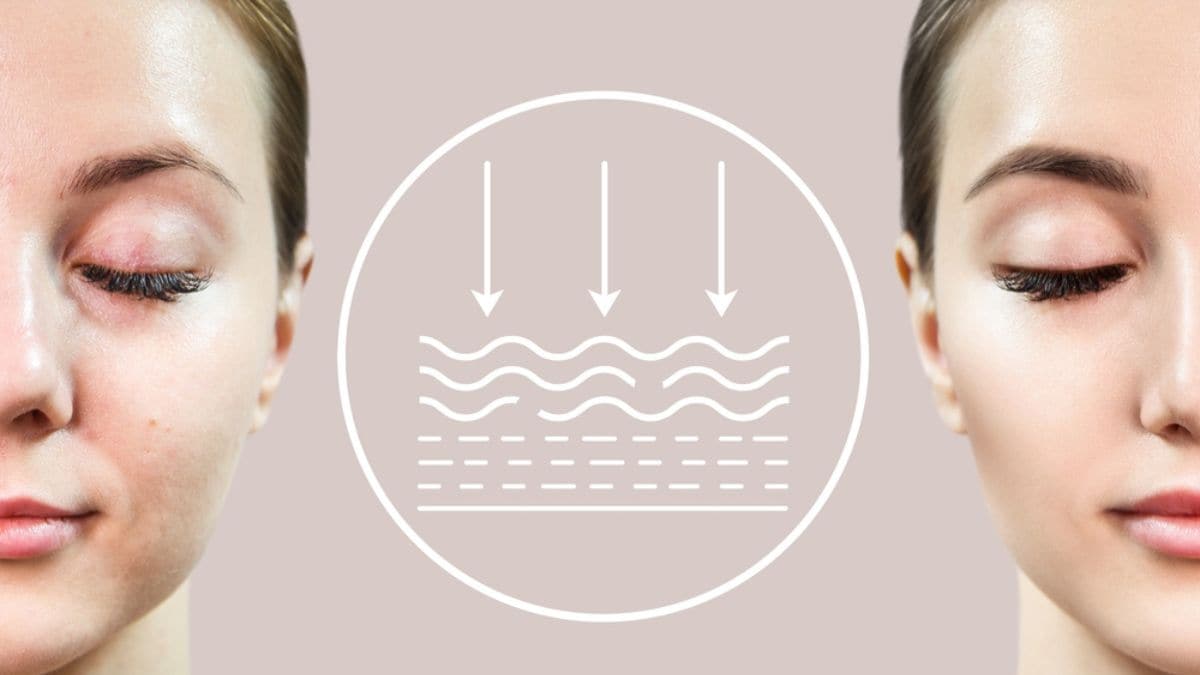
These days, the concept of a "cortisol face" is spreading rapidly across platforms, highlighting swollen cheeks, tired skin, and a look older than expected - all associated with long-term stress. Though it sounds like just another viral label, dermatologists see actual shifts in people worn down by constant strain. Real signs show up under their eyes, around their mouths - clues stress leaves behind.
Cortisol shows up whenever pressure builds inside the system. A brief rise helps manage energy, calm swelling, and handle sudden demands. But if tension drags on - common in high-pressure jobs - the constant stream starts shifting things near the surface. Skin tightens and face shape shifts slowly without notice.
Stress sticks around, then the face often shows it - plastic surgeons see it all the time. Fluids begin to gather, puffiness shows up - often around the cheekbones or under weary eyes. When cortisol climbs, it changes the flow of salt and water in tissues, leading to slight bulges. The result- A look weighed down, less bright than usual.
Accelerated skin ageing becomes clearly visible over time. Speeding up how fast skin ages shows up clearly. Because cortisol runs high, it eats away at collagen and elastin - those parts hold skin tight and springy. Without steady collagen building, skin sags slowly, showing thin creases and folds, and looks worn out.
Stress that lasts too long might quietly affect how full your face looks. When people juggle heavy demands, rest often slips, meals get unbalanced, and daily care tends to fade. Slowly, shifts happen - fat moves around under the skin, complexion loses brightness, shadows grow beneath the eyes. These quiet shifts add up, giving an impression of more years than truly passed.
Some people in demanding jobs visit clinics not to transform how they look, yet because their face seems out of sync with their inner energy. Most times, these meetings result in soft tweaks aiming to restore balance without altering basic qualities. A fix could mean medical-grade skin care steps, treatments built around water retention, or even minor actions made to revive collagen while plumping up spaces grown thin through the years.
Still, counting only on beauty fixes won’t erase deep stress marks. Everything ties together - sleep that’s steady, meals with real food, water through the day, movement that calms the mind - all shape how skin holds up.
Heavy talks about "cortilo face" lately point to something real: daily habits plus stress show up clearly on your skin over time. Seen through a surgeon’s eyes, fixing ageing marks matters - yet so does guiding people toward better choices that help skin thrive down the road.
Dr Anmol Chugh is the Associate Director & Head, Plastic & Aesthetic Surgery, CK Birla Hospital, Gurugram and founder of Seena Strong Campaign
The opinions expressed in this article are those of the author and do not purport to reflect the opinions or views of THE WEEK.
