



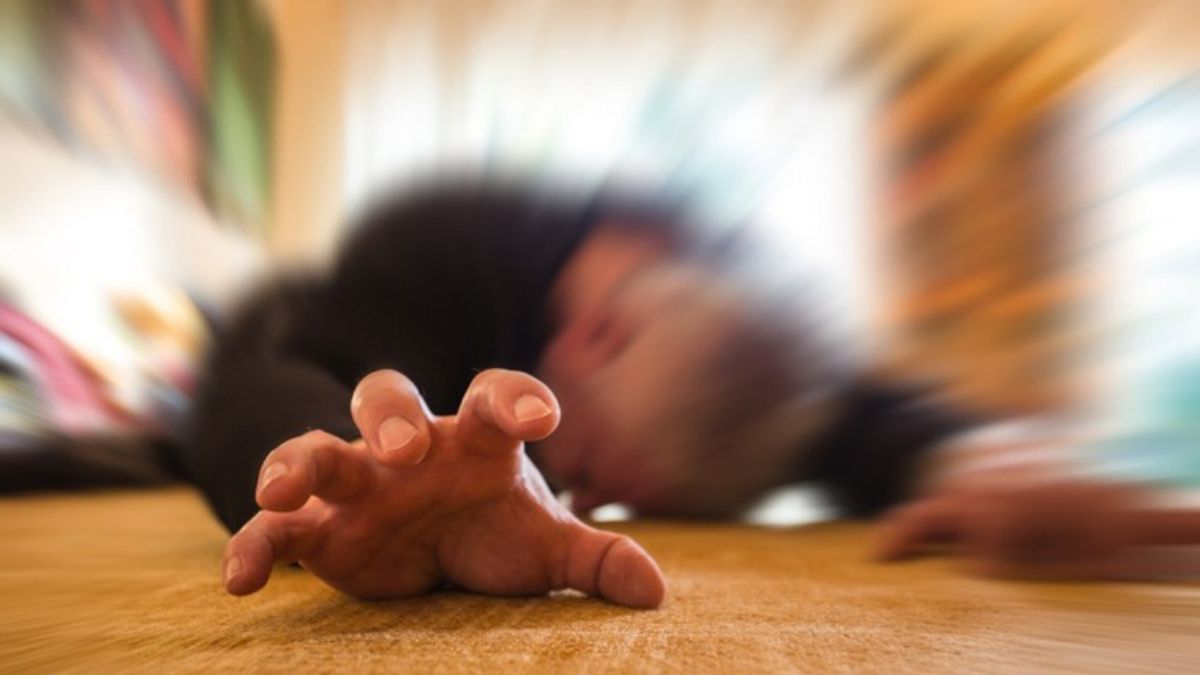
The word epilepsy is difficult to pronounce, and the mere mention of it makes people and families uneasy. Thus, on this International World Epilepsy Day, we hope to make individuals and families aware that epilepsy is neither uncommon nor contagious, nor a disability.
Epilepsy, the fourth most common neurological ailment globally, is a chronic neurological disorder characterised by repeated, unprovoked seizures caused by sudden aberrant electrical activity in the brain. This disorder affects people of all ages, and it can occur at any time.
A case in point is Rahul, a 17-year-old guy who collapses in the bathroom while taking a shower one day and goes unconscious. He cannot move his body. Fortunately, his father hears the noise and runs to aid him. The episode occurs twice within two days. After visiting with the doctor, the family learns that your son has epilepsy.
This brings us to today's primary topic: what should you do in the first 10 minutes after a seizure? Seizures can be unpredictable and occur at any time, causing great concern for persons with epilepsy and their families.
The Do’s & Don’ts
Many times, when people have seizures, those around them are unaware and may not even attend to them. The first and most critical measure during or after a seizure is to lay the sufferer on their side. It is recommended that you never leave them alone to ensure their safety.
The most prevalent practice of those who may not be aware that a person is having a seizure, or who are aware, is to place a key in their palm, a spoon in their mouth, or even to make them smell their slippers. These superstitions are needless and undesirable.
This is necessary to prevent the tongue from blocking the airway, as doing so can cause breathing to halt. If the person is wearing tight garments, such as a tie or closed buttons, untie and relax them for a minute or two.
In most situations, seizures end within one to two minutes. The patient must be immediately transported to a hospital and seen by a doctor.
Approximately 70-80% of the time, there is no immediate recurrence. Admitting them to a nearby hospital will guarantee they are maintained under 24-hour monitoring so that the condition can be treated as soon as it occurs.
It is therefore advised not to put anything in the patient's mouth. This can include placing keys or metal objects in their hands or even restricting their movements. It is also advised not to provide the patient suffering from a seizure with any food, water, or over-the-counter medication.
It is suggested that taking care of your brain is just as vital as taking care of your body. The brain is the hub of all our actions, including our motions, feelings, ideas, and speech. If the brain is healthy, then our daily lives are healthy and correct. It is time we convert awareness into concrete action.
The author is the Medical Director at Plexus Neuro Centre.
The opinions expressed in this article are those of the author and do not purport to reflect the opinions or views of THE WEEK.
