



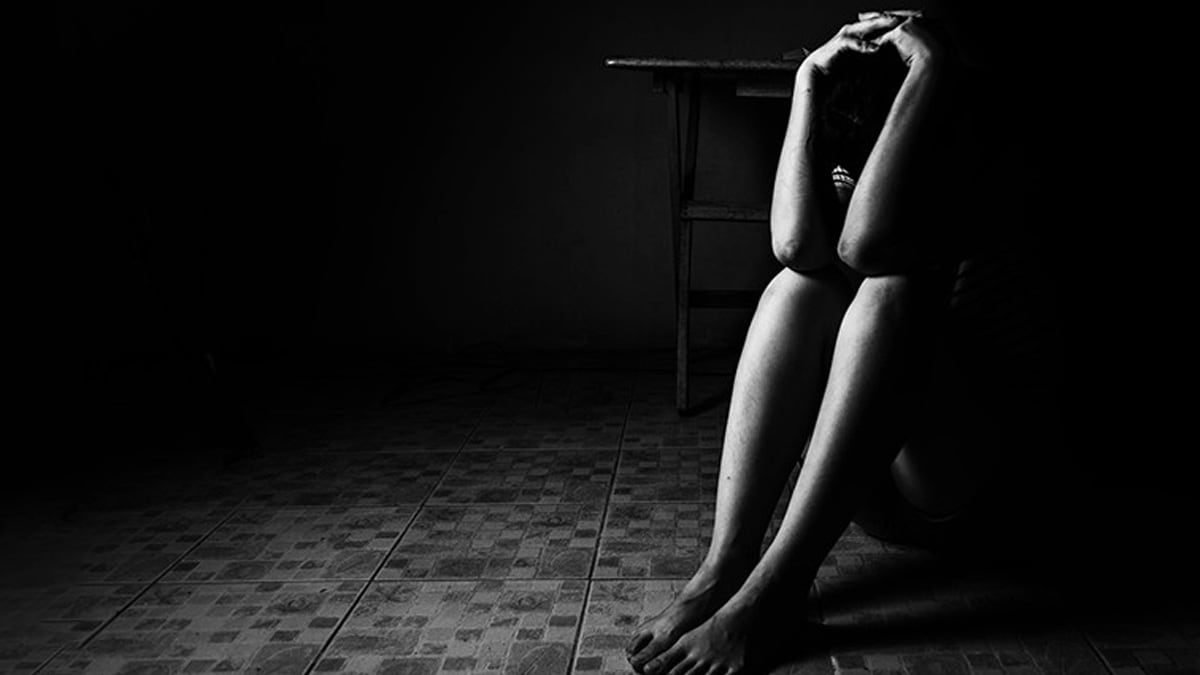
Abuse against women is rarely a single event; it is a chronic experience of control, fear and emotional harm that slowly dismantles a woman’s sense of self. In India, this is not a fringe problem—it is widespread and deeply rooted in social dynamics.
According to national surveys, approximately 31.2 per cent of women aged 15–49 experience domestic violence—a term that goes beyond physical harm to include emotional abuse such as insults, humiliation and controlling behaviour.
Within this group, about 13 per cent report emotional abuse from intimate partners, a significant marker of psychological harm that often goes unrecognised and unreported.
When we look at reported crimes, domestic violence remains one of the most frequently recorded categories, second only to severe offences under the Protection of Children from Sexual Offences (POCSO) framework. This reflects the reality that abuse transcends physical injury—it is about power, control and psychological degradation that shapes a woman’s daily life.
In our work with women through Project Saksham, emotional and verbal abuse often appears long before physical violence. Women recount being belittled, mocked or constantly questioned about their intentions and competence. Over time, this erodes confidence and creates a persistent sense of self-doubt. Many women describe feeling 'small' or 'less worthy', not because of any inherent flaw, but because repeated criticism and blame have altered how they see themselves.
One particularly insidious form of psychological abuse is gaslighting—when a woman’s experiences are denied, dismissed or rewritten by the abuser. This can lead to profound uncertainty about one’s own perceptions, making it harder to seek help or trust supportive voices.
A common refrain in counselling sessions is: “Maybe I am overreacting… maybe I am imagining things.” These are not signs of weakness—they are indicators of prolonged psychological harm.
Emotional abuse is also linked with control of finances, restrictions on movement, isolation from family or friendships, and threats that undermine safety. In many cases, partners or family members use these tactics to ensure compliance and silence. Even simple decisions—about work, friendships or healthcare—become battlegrounds, reinforcing the sense that a woman’s choices are not her own.
The psychological toll of sustained abuse includes chronic anxiety, depression, sleep disturbances, and trauma responses such as hypervigilance or emotional numbing. These are not temporary reactions; they can persist long after the abusive behaviour stops.
So, what can a woman do when she is trapped in this cycle?
Name the experience: Recognising that verbal, emotional and controlling behaviours are forms of abuse is a critical first step. Naming what is happening uncouples self-blame from the perpetrator’s actions.
Rebuild internal trust: Therapy or structured counselling helps women reconnect with their instincts, emotions and boundaries—capacities that abuse has intentionally suppressed.
Seek support: Even one trusted person—whether a friend, counsellor or helpline professional—can create a bridge out of isolation. Emotional support is not a luxury; it is safety.
Prioritise safety planning: Practical steps such as documenting incidents, knowing legal rights under the Domestic Violence Act (2005), and identifying safe spaces can provide psychological anchor points.
Healing from abuse is not simply leaving a relationship—it is reclaiming choice, self-worth and emotional autonomy. Women do not have to wait until they are 'ready'. They become ready through support that believes in them, listens without judgment, and honours their experiences.
Abuse against women is a collective concern, not a private failure. The sooner society recognises the psychological dimensions of harm, the more women can move from survival towards healing.
(Authored by Hemkangi Mhaprolkar, Sr. Psychologist, Director - Govt Engagement & Partnerships, Mpower)
The opinions expressed in this article are those of the author and do not purport to reflect the opinions or views of THE WEEK.
