



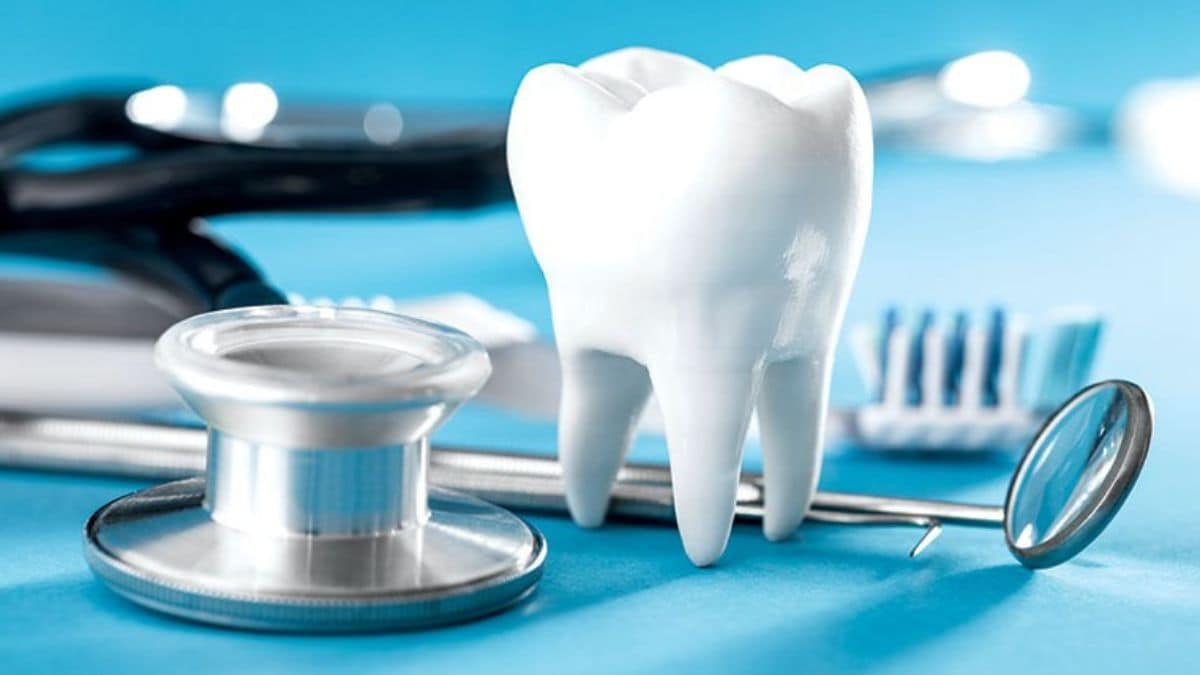
Did you know that your dental health offers a host of clues regarding your systemic health? Problems in the mouth can affect the rest of the body.
We often regard the mouth as a separate entity from the rest of our body, when it comes to overall health (mind and body). But there is a strong link between your oral health and a host of systemic diseases, including mental health issues.
In this column, we will be spotlighting the ‘Mouth-Body’ connection and ways you can improve your general health by understanding and taking care of this important pathway of health.
We avoid regular visits to our dentists until we run into one or more of the following problems (symptoms if you’re fancy): pain, decay, halitosis, or bleeding gums. While this may be comforting for us, it can actually prevent your dentist from helping diagnose many oral and systemic health conditions early on, when treatment could be over quicker.
An ounce of prevention is greater than a pound of cure and we’re here to help educate our readers on the same. Home to a host of bacteria, mostly good, the mouth is the entry point to the digestive and (partly) respiratory tracts. Sometimes, however, harmful bacteria that enter and stay in the oral cavity due to bad hygiene or low immunity can lead to systemic issues.
Usually, a combined effect of the body's natural defense mechanism and good oral hygiene practices keeps the bad bacteria under control. Good oral care includes daily brushing and flossing. Without good oral hygiene, germs can reach active levels that might lead to infections, such as tooth decay and gum disease.
In unattended cases, conditions like diabetes, cardiovascular diseases and many viral infections can develop, sometimes being fatal in a short period of time from the onset.
Now that we’ve covered the relationship between the mouth and systemic health, let's talk to you about the importance of certain dental procedures and their significance in your overall health.
What does a dental clean-up do?
It removes plaque, tartar and stains from the teeth in the areas that are generally hard to clean with regular brushing and flossing.
How is it done?
An ultrasonic scaler helps dislodge these deposits from the surface of the teeth, followed by an air polisher that removes the post-scaler stains and soft plaque deposits to give it a smooth, self-cleaning texture.
A clean mouth via prophylaxis is foundational in preventing oral diseases that can trigger or worsen systemic health issues, making it a vital part of comprehensive healthcare.
Regular oral prophylaxis does the following:
• Prevents gum disease: Regular cleaning stops plaque buildup, prevents inflammation (gingivitis) and bone loss (periodontitis).
• Reduces systemic infection risk: Bacteria from infected gums can travel to other body parts via the bloodstream, potentially causing heart inflammation (endocarditis), blood clots, heart attacks, and strokes.
• Manages diabetes: Periodontal health has direct links with diabetes; good oral care helps prevent complications.
• Protects during pregnancy: Oral hygiene is crucial during pregnancy, as hormonal changes increase gum disease risk, impacting maternal and fetal health.
• Improves daily function: A clean mouth ensures comfortable eating, drinking, speaking, and smiling, improving the quality of overall health and life.
We will continue to help our readers get a better understanding of their oral health and the intimate connection with the rest of the body, along with an in-depth exploration of various essential dental procedures, in this dental series. Keep an eye on this column.
(Shina Kurian and Jonathan Rao are Dentists based in Bangalore, with a love for Preventive & Comprehensive Dentistry)
The opinions expressed in this article are those of the author and do not purport to reflect the opinions or views of THE WEEK.
