



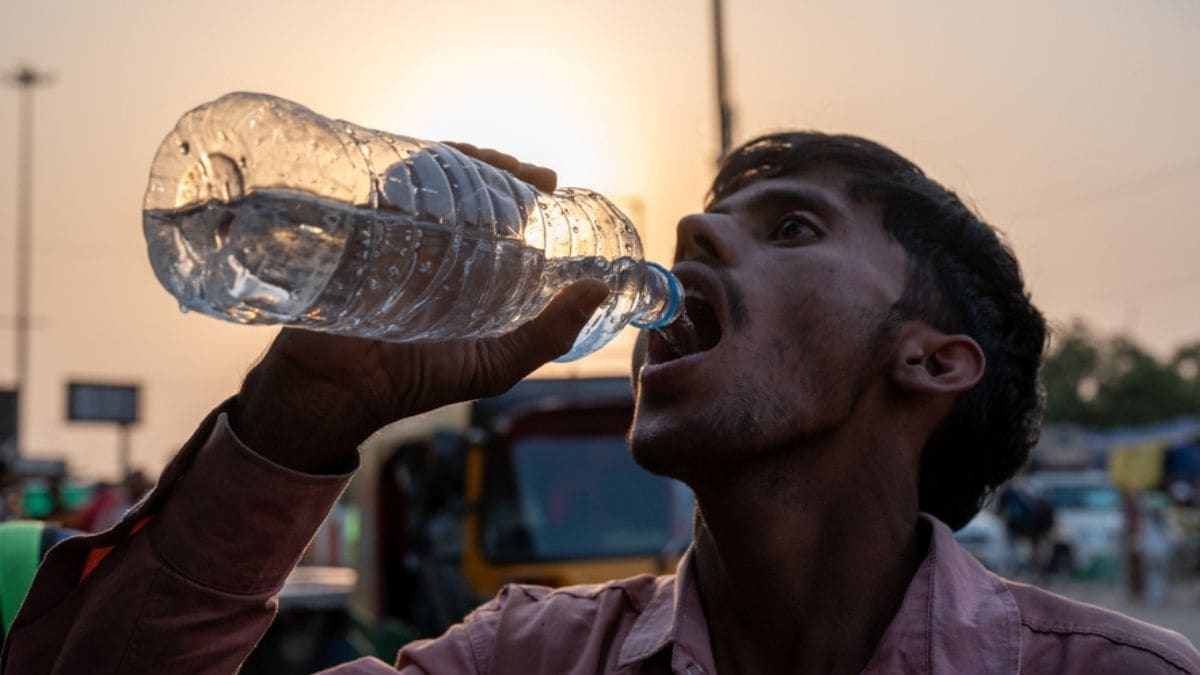
A new study by Indian scientists has revealed that invisible nanoplastics from single-use polyethylene terephthalate (PET) bottles can severely damage beneficial gut bacteria and even cause toxicity in human cells.
The findings by researchers at the Institute of Nano Science and Technology (INST), Mohali, add to the increasing concerns surrounding plastic pollution. Moreover, it raises a pertinent question: Is India moving closer to banning single-use PET bottles?
The latest paper, titled 'Nanoplastics from single-use polyethylene terephthalate bottles impair the functionality of human gut-dwelling Lactobacillus rhamnosus and induce toxicity in human cells', provides direct evidence of biological harm.
According to the study published in The Royal Society of Chemistry in the Nanoscale Advances journal, exposure to these particles led to a "reduction in L. rhamnosus viability," meaning the plastics effectively killed off good bacteria essential for digestion and immunity.
The study by Dr Prashant Sharma and the rest of the research team, including those from the Centre of Biomedical Research, Lucknow, found that these PET bottle-derived nanoplastics (or PBNPs) did not just stop at the gut. It spread to the lungs, and more...
The study noted that "in A549 cells [lung cells], short-term exposure showed minimal effects, but prolonged exposure led to reduced viability, accompanied by DNA damage."

However, what was more disturbing was when the study observed that metabolic activation of these particles increased their "mutagenic potential". This meant the possibility of long-term genetic risks.
India and the plastic ban
India’s current stance on plastic bottles is more a regulatory affair and not a prohibitive one. The Centre, back in July 2022, enforced a ban on 19 identified single-use plastic (SUP) items, such as straws, cutlery, and earbuds.
But, PET bottles were conspicuously absent from this list. Instead, they fell under Extended Producer Responsibility (EPR) norms, which mandate companies to recycle a percentage of the plastic they produce.
Later, in 2024, the Food Safety and Standards Authority of India (FSSAI) initiated a project to develop specific methods for detecting microplastics in food products, all the while acknowledging the gap in safety data.
This meant that more localised bans were the way to go. Recently, the Kerala High Court banned single-use plastic bottles (under specific capacities) in the state's hill station tourist destinations, effective October 2025.
But, according to this recent research paper, we need to do more. The paper concludes: "These findings collectively underscore the emerging risks associated with PBNPs as environmental pollutants, highlighting their potential to disrupt microbial ecosystems and pose serious health threats. The adverse effects observed in both bacterial and human cell models emphasise the need for a deeper understanding of the long-term consequences of NPs exposure. Given the widespread presence of NPs in the environment, their interactions with biological systems warrant further investigation, particularly in the context of bioaccumulation, systemic toxicity, and transgenerational effects."
And the Centre seems to have taken note. On Thursday, the Union Ministry of Science & Technology chimed in, "Nano-plastics are a global concern and are increasingly being detected inside the human body. But their exact effects remain poorly understood... Beyond human health, the insights [from this study] can extend to agriculture, nutrition, and ecosystem studies, where microbial balance and plastic pollution intersect." This could mean the government could soon move to more stringent regulations.
The research results stressed "the need for deeper mechanistic understanding and appropriate regulatory strategies." Soon, the exemptions that are currently enjoyed by the PET bottling industry—many under the guise of "drinking water" companies—could be removed.
